Innocence Project’s Re-entry Coach and Exoneree Rodney Roberts Shares 6 Tips to Reduce Stress
Having spent eight years behind bars for a crime I didn't commit, I know firsthand the toll a wrongful conviction can take on one’s mental well-being.
06.06.24 By Rodney Roberts

Image: Connor Sovak/Innocence Project
An exoneration is a joyful experience for someone who has been wrongfully convicted. Yet for all the joy and celebration, exonerees may confront deep and emotional mental health struggles stemming from incarceration.
Having spent eight years behind bars for a crime I didn’t commit, I know firsthand the toll a wrongful conviction can take on one’s mental well-being. Wrongful convictions shatter lives, leaving scars that aren’t always visible. In my role as Innocence Project’s first-ever re-entry coach, I am dedicated to helping exonerees find their paths to healing and resilience as I navigate my own.
Here are some coping mechanisms that have helped me and others navigate the complexities of incarceration and life after exoneration that may be helpful to others.
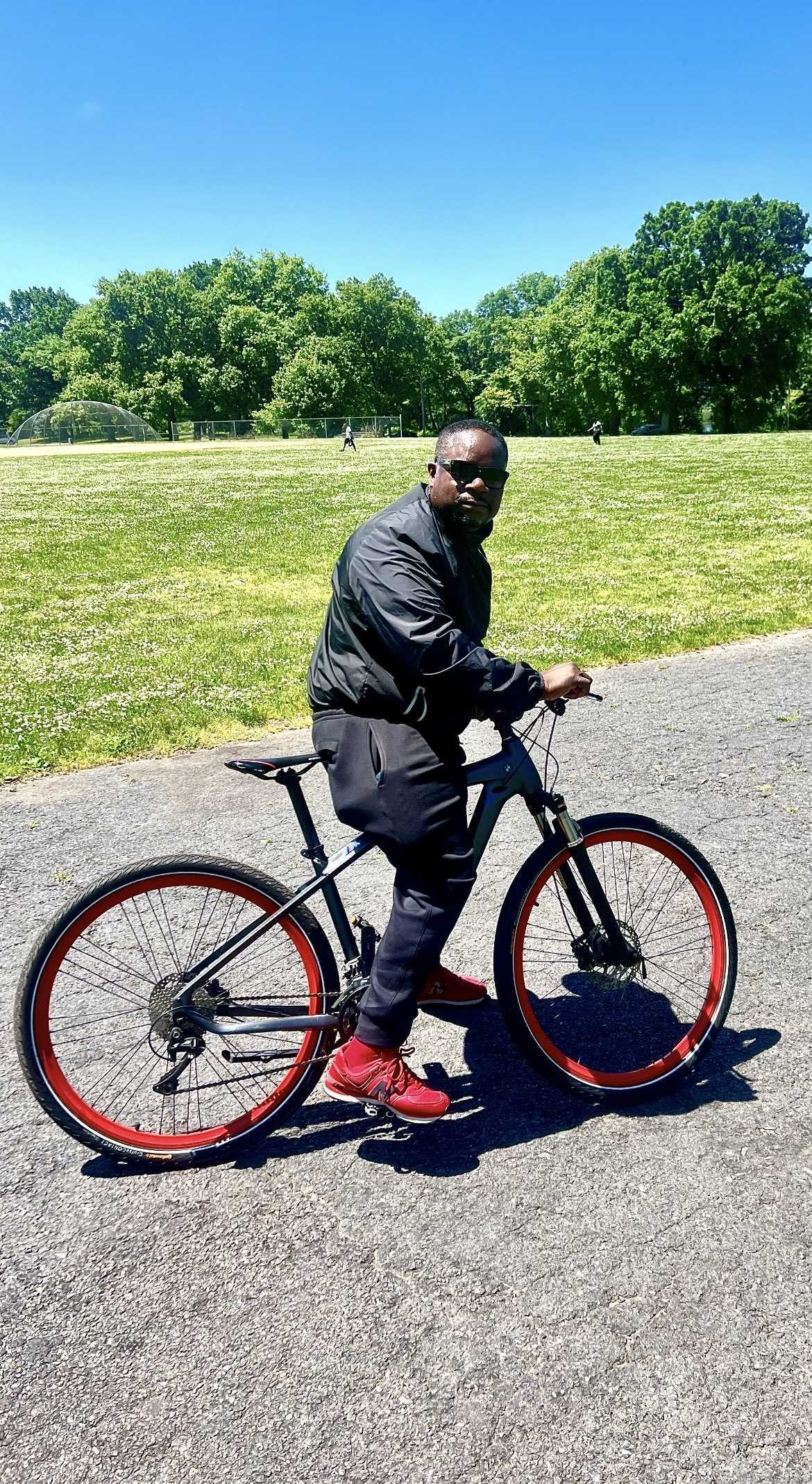
Rodney Roberts out for a bike ride. (Image: Courtesy of Rodney Roberts)
1. Get active.
It’s common knowledge that regular exercise, like daily walks or workouts, is good for our physical health, but regular body movement is essential for reducing stress that could lead to depression. These activities provide a space for release, allowing us to channel our energy positively.
I engage in physical activities like bike-riding and Tai Chi to not only promote my physical health but also nurture my mental well-being. Similarly, Innocence Project client Norberto Peets, who was wrongly incarcerated for 26 years, has shared how basketball served as an outlet to channel stressful energy.
“In Sing Sing Prison, I played basketball all day, and it helped me stay in good shape, but, in that moment when I was playing basketball, it took a lot of stress away from me,” he explained after his release in 2023. “That was the only time I felt like I was a little free and not so in my mind about all the stuff I was dealing with.”
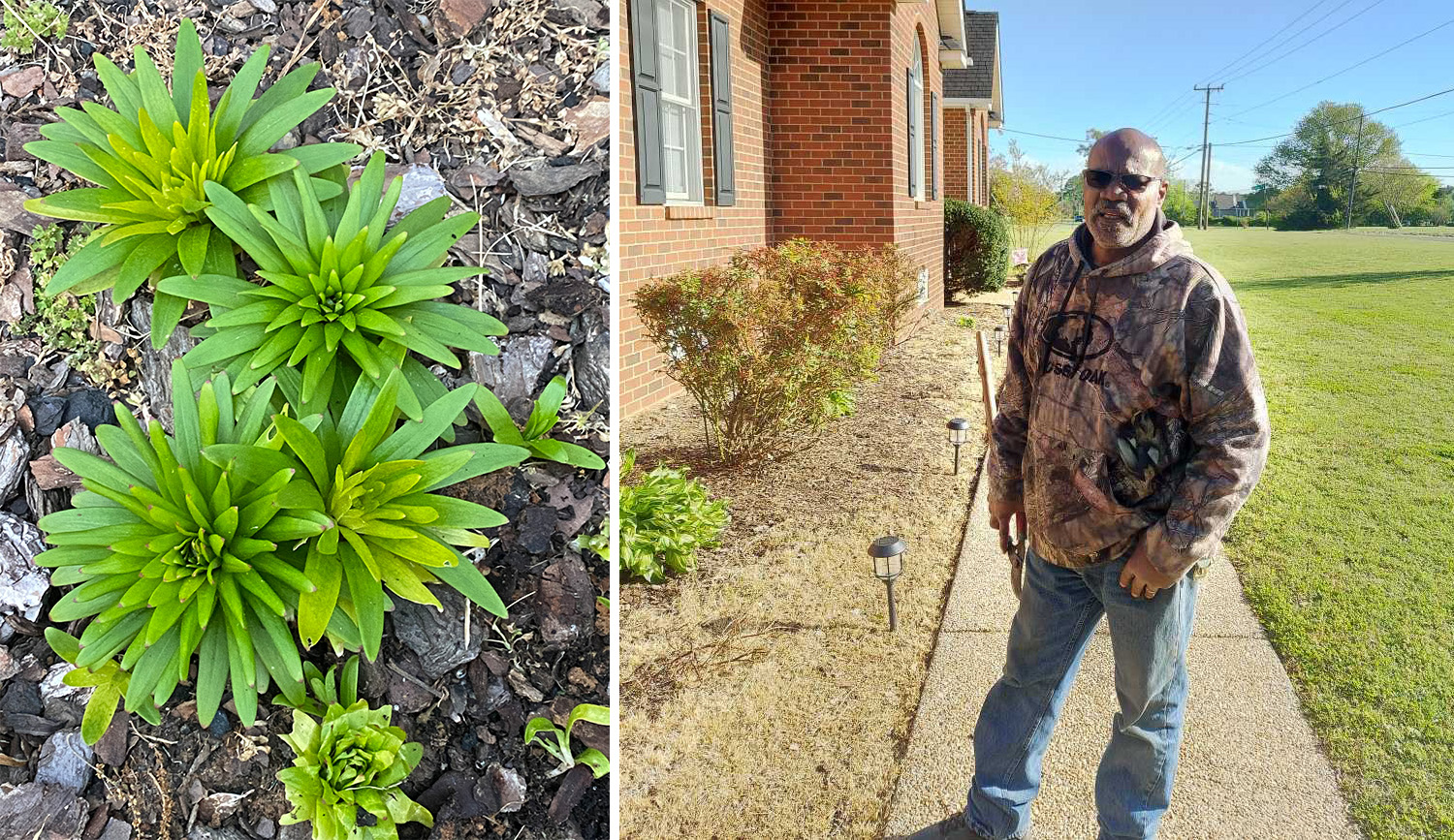
Marvin Anderson on his front lawn at his home in Virginia. (Image: Courtesy of Marvin Anderson)
2. Connect with nature.
Gardening offers a sense of purpose and tranquility. Tending to plants, nurturing their growth, and witnessing the beauty of the natural world can be profoundly healing, providing a grounding presence amidst the chaos of post-exoneration life.
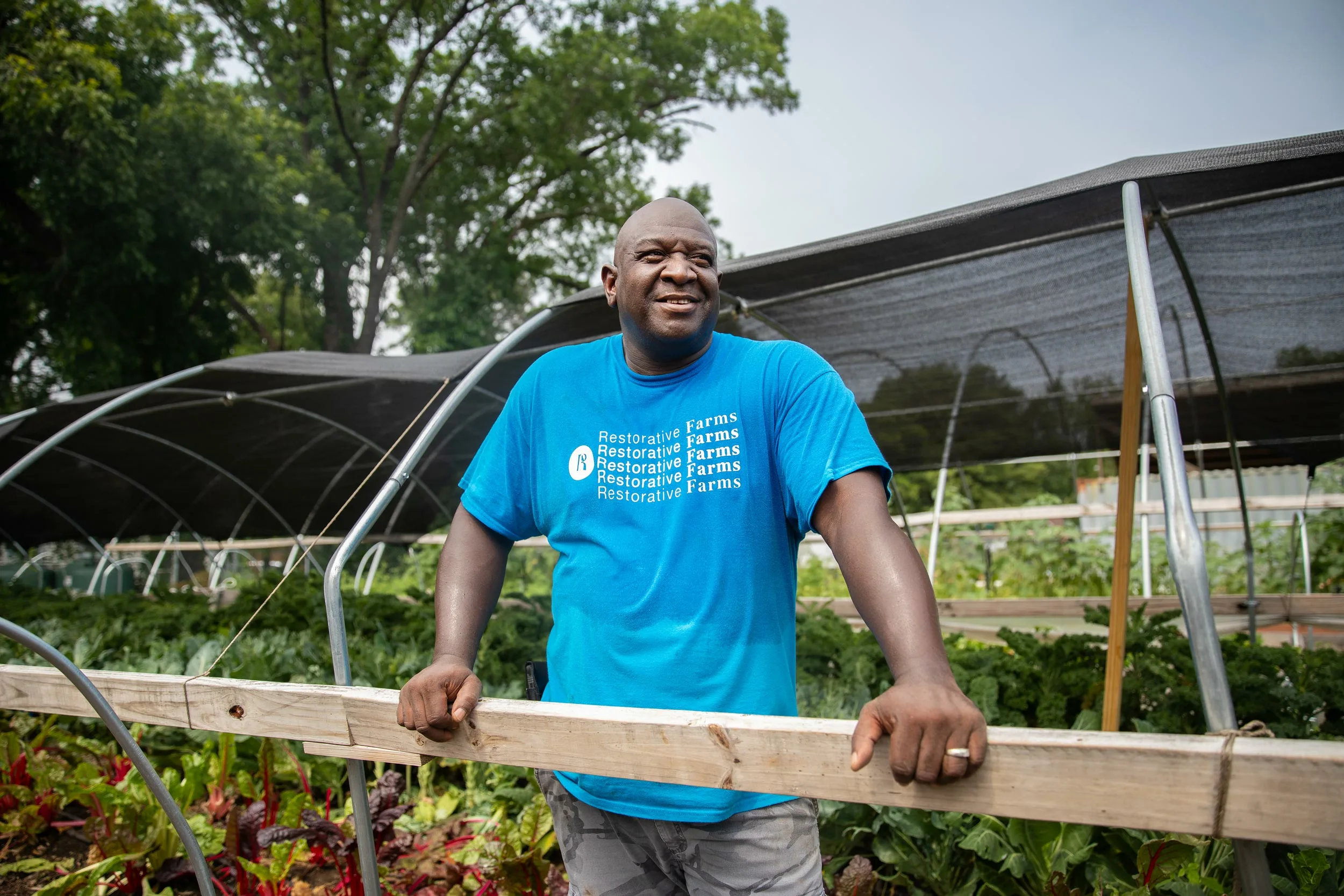
Marvin Anderson, an exoneree and a member of the Innocence Project’s board of directors, began cultivating plants at an early age, helping out on his family’s farm. He rediscovered this passion after he was released in 1997 on parole — he was later exonerated in 2002.
“A lot of people think gardening is really hard work and very complicated, but I find it very relaxing, and it’s easier than you think,” Mr. Anderson said in 2021.
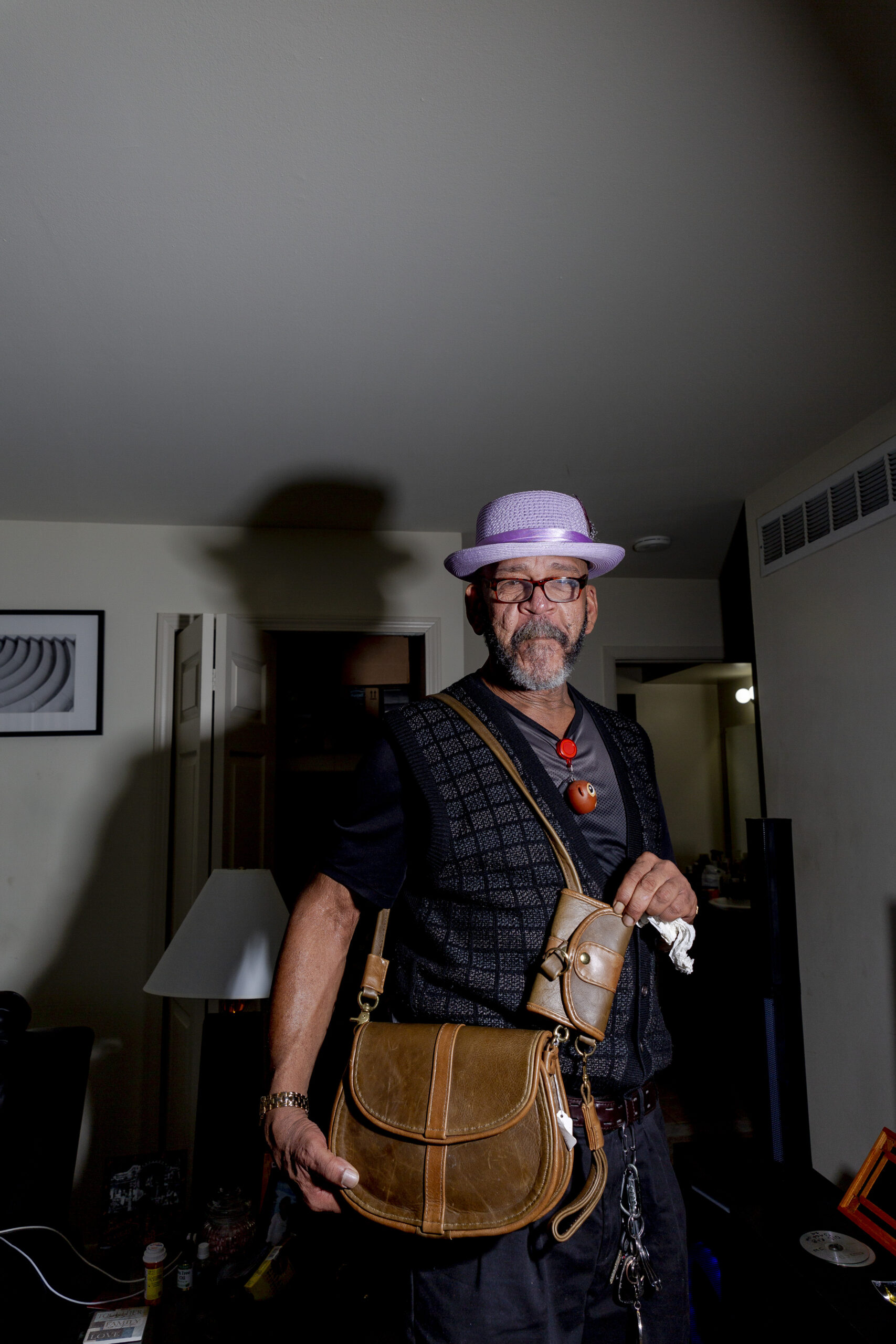
Gerry Thomas shows off leather purses he made while incarcerated. (Image: Sylvia Jarrus/Innocence Project)
3. Get creative.
Creative outlets such as painting, poetry, and performing arts enable us to express ourselves authentically. These forms of self-expression serve as therapeutic tools, allowing us to process emotions and cultivate inner peace.
After learning leatherworking from another incarcerated man, Innocence Project client Gerry Thomas, who was exonerated in 2020, turned to crafting leather goods as an outlet.
Mr. Thomas said he drew strength from making something — anything — every day, calling the creative process his “spiritual food.” He said it encouraged him to “just keep moving, keep good thoughts in my head.”
4. Create relaxation rituals with sounds and scents.
When combined with practices like meditation, sound therapy, which involves using sound and music in calming and therapeutic ways, can soothe and relax the mind and, in turn, improve one’s physical and emotional well-being.
I use a sound machine at home to set the tone for my day and even at work to keep me balanced (I typically play ocean and rainstorm sounds). Pairing my sound machine with a lovely scented candle transports me to a serene and peaceful environment in my mind.
If you’re interested in sound therapy, try these healing sound playlists on Spotify or Apple Music. Or consider using mental health apps like Calm or Headspace.
5. Talk it out with others.
Sharing stories, insights, and struggles fosters connection and validation, reducing feelings of isolation and alienation. I lead a weekly support group meeting on Zoom that allows freed and exonerated members to come together to share their experiences and express a range of emotions. Sometimes it’s anger; other times, we’re laughing and crying together. Many times, our clients express gratitude and relief after connecting with other exonerees who can relate to their experiences. They are able to be vulnerable in a nonjudgmental space. While each person’s path is unique, it’s important for them to know that they are not alone on their journey.
It was at these meetings that I learned that trauma shows up differently for everyone.
6. Go at your own pace.
Life after a wrongful conviction is different for everyone. Although the Innocence Project’s social work team offers guidance and resources to clients, there is no “one-size-fits-all” approach to life post-exoneration. I’ve spoken with clients who follow their peers’ progress and feel anxious about falling behind. Everyone’s journey is different, so focus on your own to avoid added pressure.
As I’ve described, there are many avenues to take on our healing journeys, but one thing is true for my friends and peers who have been wrongfully convicted: you must prioritize your mental health after years of trauma.
If you need assistance protecting or improving your mental health, the Anxiety and Depression Association of America offers free community support resources online or in person.

Leave a Reply
Thank you for visiting us. You can learn more about how we consider cases here. Please avoid sharing any personal information in the comments below and join us in making this a hate-speech free and safe space for everyone.