Exonerees and Advocates Come Together in the Nation’s Wrongful Conviction Capital
The Innocence Network Conference is taking place in Chicago for the first time.
04.10.26 By Alyxaundria Sanford
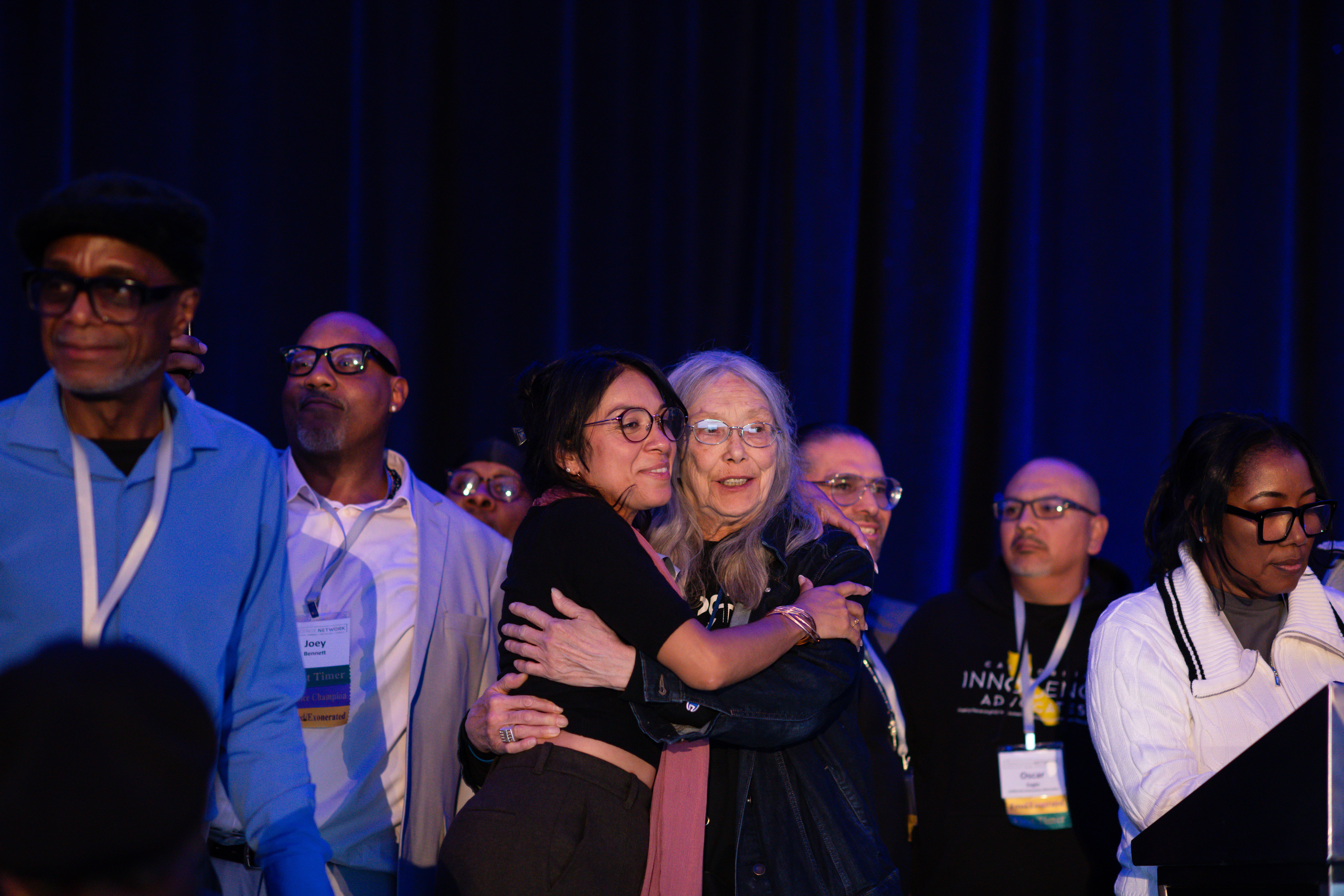
Exonerated attendees celebrate each other at the 2026 Innocence Network Conference in Chicago. (Photo: Lyra Photography)
For the first time, the annual Innocence Network Conference is being hosted in Chicago — a city whose history is deeply intertwined with both the causes of wrongful conviction and the fight to end it.
Each year, the conference brings together attorneys, advocates, researchers, and exonerees working to address one of the most urgent and glaring failures of the criminal legal system: wrongful conviction. The gathering serves as a space to examine and strengthen the global innocence movement.
Illinois: The Nation’s Wrongful Conviction Capital
The statistics are both staggering and clarifying. According to the National Registry of Exonerations, Illinois has recorded 579 exonerations since 1989 — more than any other state.
Illinois’ record is not accidental. Wrongful convictions in the state have occurred at a rate almost unmatched in American legal history, fueled by decades of systemic misconduct, including police torture, suppressed evidence, coerced confessions, and the use of debunked forensic science. But the state has also produced some of the most determined innocence advocates, influential legal organizations, and landmark policy reforms in the country.
In fact, the Innocence Network has three member organizations working day in and day out in Illinois and Chicago specifically, each making irreplaceable contributions to this fight:
- The Exoneration Project
Founded in 2007 by Loevy + Loevy, a national civil rights law firm, in partnership with the University of Chicago Law School, the Exoneration Project has exonerated more than 200 clients nationwide, with deep roots in Chicago-area cases. - Illinois Innocence Project
Based at the University of Illinois Springfield, the Illinois Innocence Project has helped exonerate 24 people while advancing education and legislative reform efforts statewide. The organization will be celebrating its 25th anniversary this year. - Center on Wrongful Convictions
Housed at Northwestern Pritzker School of Law, the Center on Wrongful Convictions has exonerated more than 50 people and played a defining role in landmark Illinois cases.
These organizations — alongside the Innocence Project and other advocates — have reshaped both individual lives and the systems that impact them.
The Cases That Shaped the Movement
Several shocking cases that took place in Chicago have helped define the national innocence movement’s mission.
In 1978, Lawrence Lionberg and Carol Schmal were murdered in suburban Chicago. Paula Gray — a 17-year-old with an intellectual disability — was coerced by police into falsely confessing to the murders and testifying against four men also accused of the crime. Though she quickly recanted and said investigators fed her the details of her confession, Ms. Gray and the four men were convicted, largely based on her false confession and unreliable forensic evidence.
Nearly two decades later, DNA testing and investigative reporting identified the real perpetrators and revealed that all five were innocent. Their convictions were overturned in 1996 and Ms. Gray was officially pardoned in 2002 by Gov. George Ryan. The case exposed the dangers of coerced confessions and flawed forensic evidence, and underscored the transformative role of DNA in proving innocence.
The dangers of false confessions were also seen in another infamous case out of Chicago: The Englewood Four. In 1994, four Black teenagers, Terrill Swift , Michael Saunders, Harold Richardson, and Vincent Thames — represented post-conviction by the Center on Wrongful Convictions, the Innocence Project, the Exoneration Project, and the Valorem Law Group respectively — were arrested and convicted of the rape and murder of Nina Glover in the city’s Englewood neighborhood. Despite inconsistencies in their statements and a complete lack of physical evidence tying them to the crime, all four were convicted and sentenced to decades in prison based almost entirely on coerced confessions.
Years later, advanced DNA testing identified a different perpetrator — a man who had been previously questioned by police, but was deceased by the time DNA identified him — and excluded all four teenagers. In 2011, their convictions were vacated, but they still faced the possibility of a retrial. Finally, a year later, all charges against them were dismissed. The case became a powerful example of how false confessions, particularly those made by youth, can lead to wrongful convictions.
In 2021, Illinois became the first state to ban deceptive practices in police interrogations of minors. Signed into law by Gov. JB Pritzker, the legislation was driven in part by exoneree testimony and the work of the Innocence Project, the Illinois Innocence Project, the Office of Cook County State’s Attorney Kim Foxx, and the Center on Wrongful Convictions at Northwestern University School of Law.
From Harm to Reform
The legacy of police torture and violence under former Chicago Police Commander Jon Burge exposed decades of coerced confessions, primarily involving Black men. Years of advocacy led to Mr. Burge’s 2010 conviction for perjury and obstruction, as well as mass exonerations and a landmark 2015 reparations ordinance — the first in the nation to address racially motivated police violence.
Wrongful convictions also forced a reckoning with the death penalty. In 2000, Gov. George Ryan declared a moratorium on executions after the number of people exonerated from death row exceeded the number executed. He later commuted all death row sentences and Illinois abolished the death penalty in 2011.
The state has also established a compensation system for exonerees, though it remains widely criticized as inadequate — a reminder that the impact of wrongful conviction extends far beyond release.
A Movement Meets
Against this historic backdrop, more than 1,300 members of the innocence community will gather in Chicago from April 9–11. The conference will feature sessions on advances in forensic science, litigation strategies, policy reform, and trauma-informed support for freed and exonerated people navigating reentry.
The conference also reflects the collaborative nature of this work. Sponsors and partners play a critical role in supporting both the event and the broader movement and include:
- United Airlines supports workforce development initiatives for freed and exonerated individuals.
- Loevy + Loevy and Romanucci & Blandin sponsor key plenary sessions.
- Clio and Filevine provide essential legal technology support.
- Relativity’s Justice for Change program uses the company’s technology to support social justice initiatives. It offers nonprofits and pro bono legal providers free access to its tools, helping to free innocent individuals from prison and identify true perpetrators of decades-old crimes.
- GoFundMe helps organizations fund critical reentry and advocacy efforts.
- Ben & Jerry’s and Saddleback Leather contribute ongoing and in-kind support.
Best Moments from Chicago
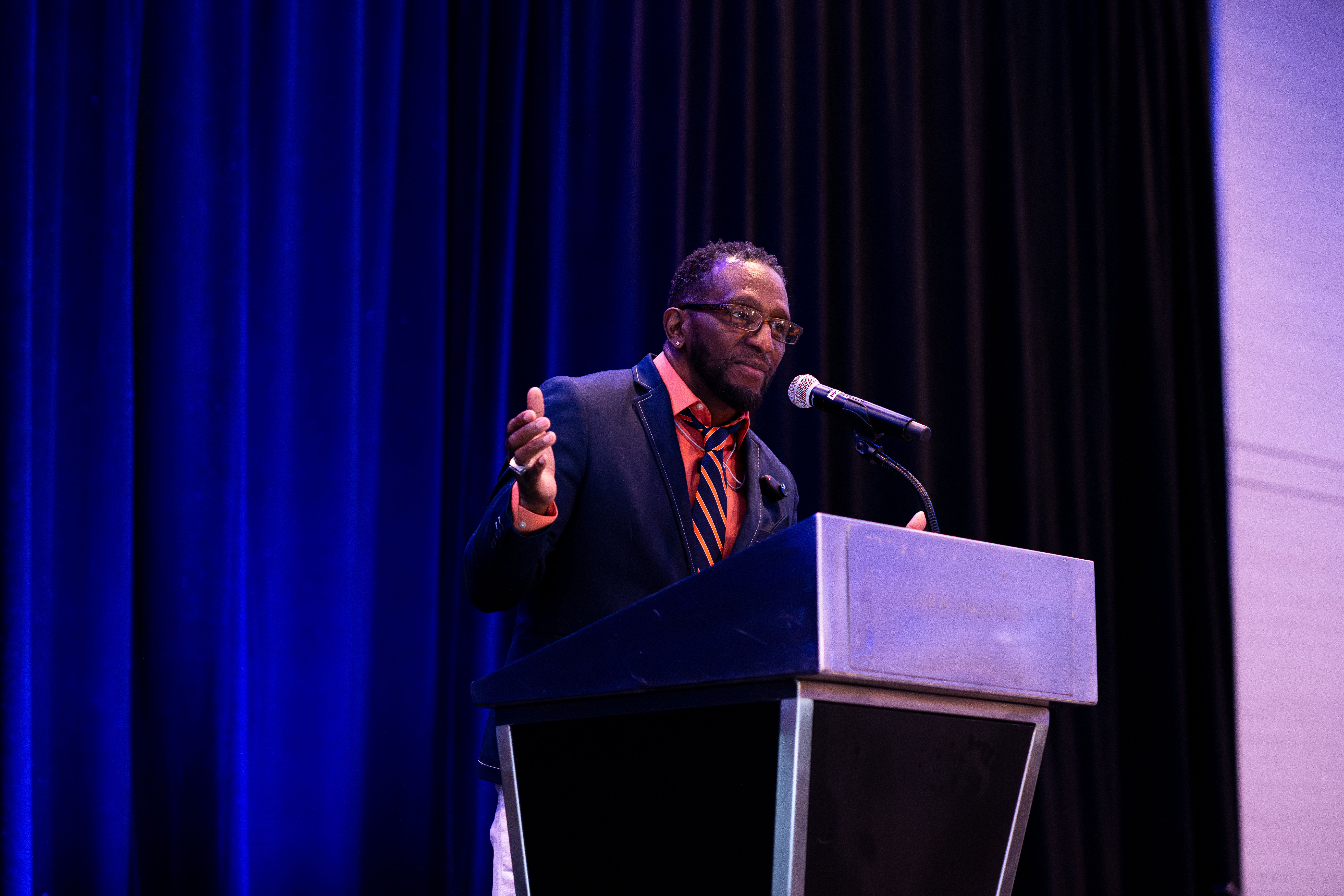
Antoine Day at the 2026 Innocence Network Conference in Chicago. (Photo: Lyra Photography)
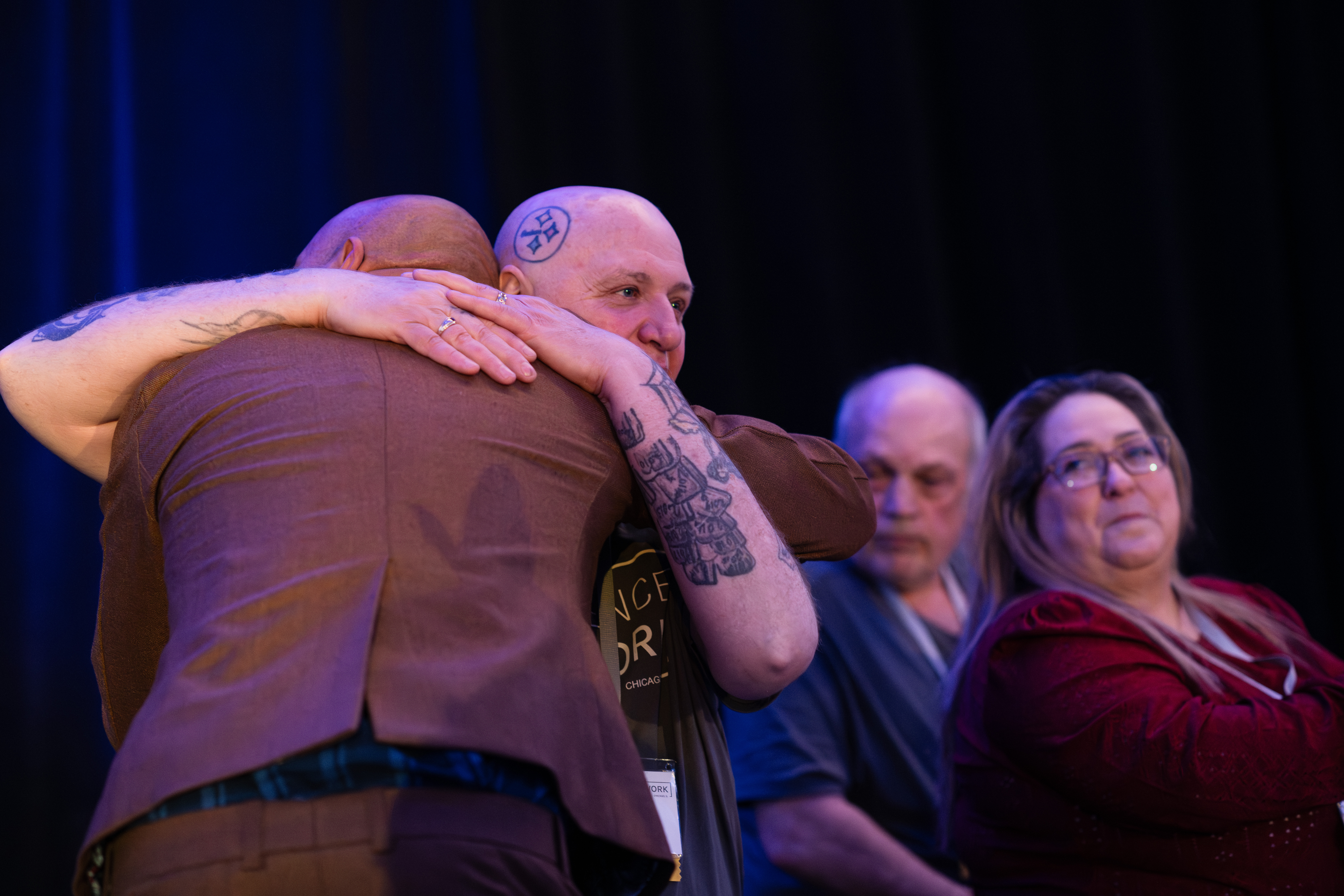
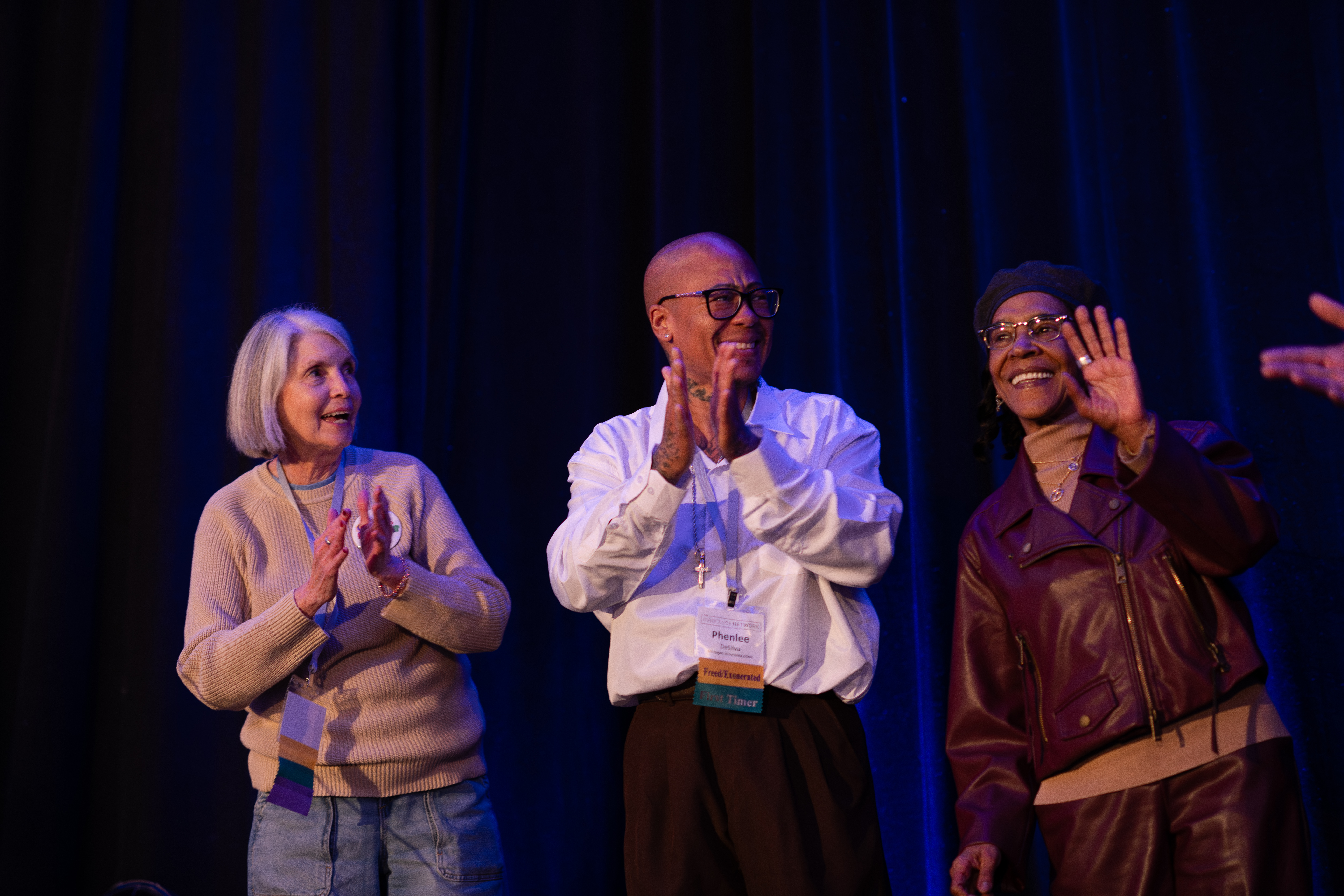
Newly freed and exonerated people welcome each other at the 2026 Innocence Network Conference. (Photo: Lyra Photography)
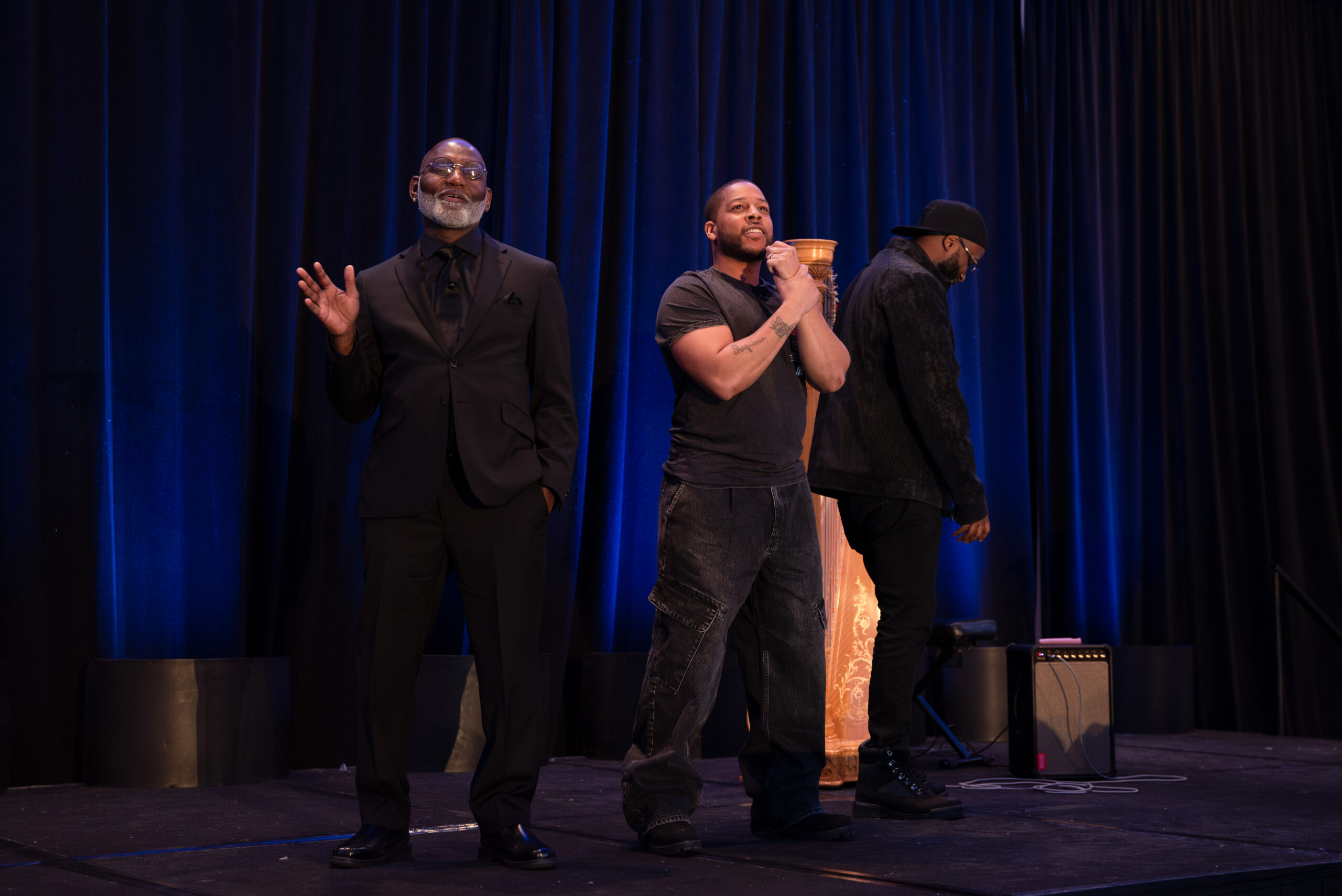
The Mud Theatre Project performs at the 2026 Innocence Network Conference in Chicago. (Photo: Lyra Photography)
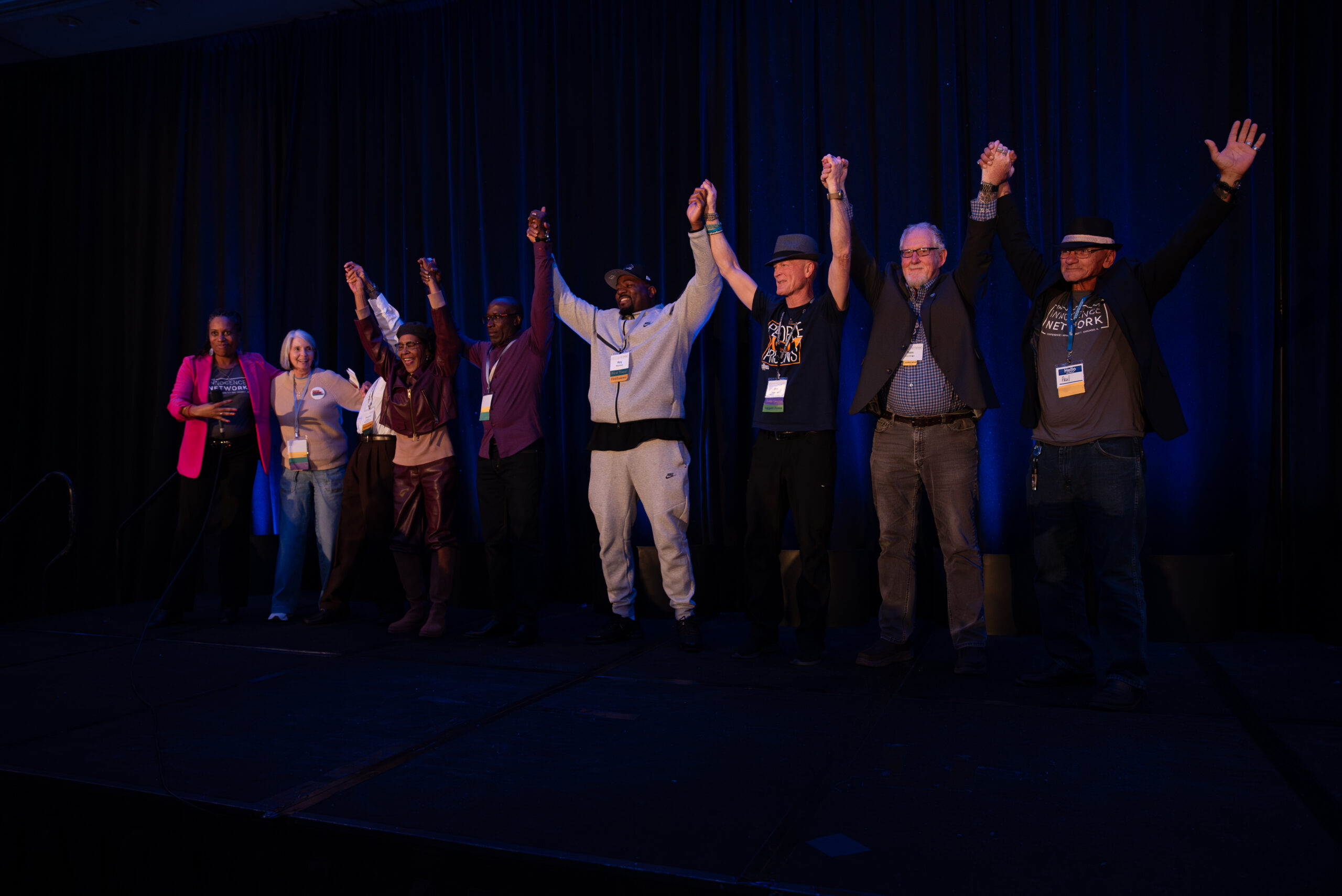
The Moth storytellers at the 2026 Innocence Network Conference in Chicago. (Photo: Lyra Photography)
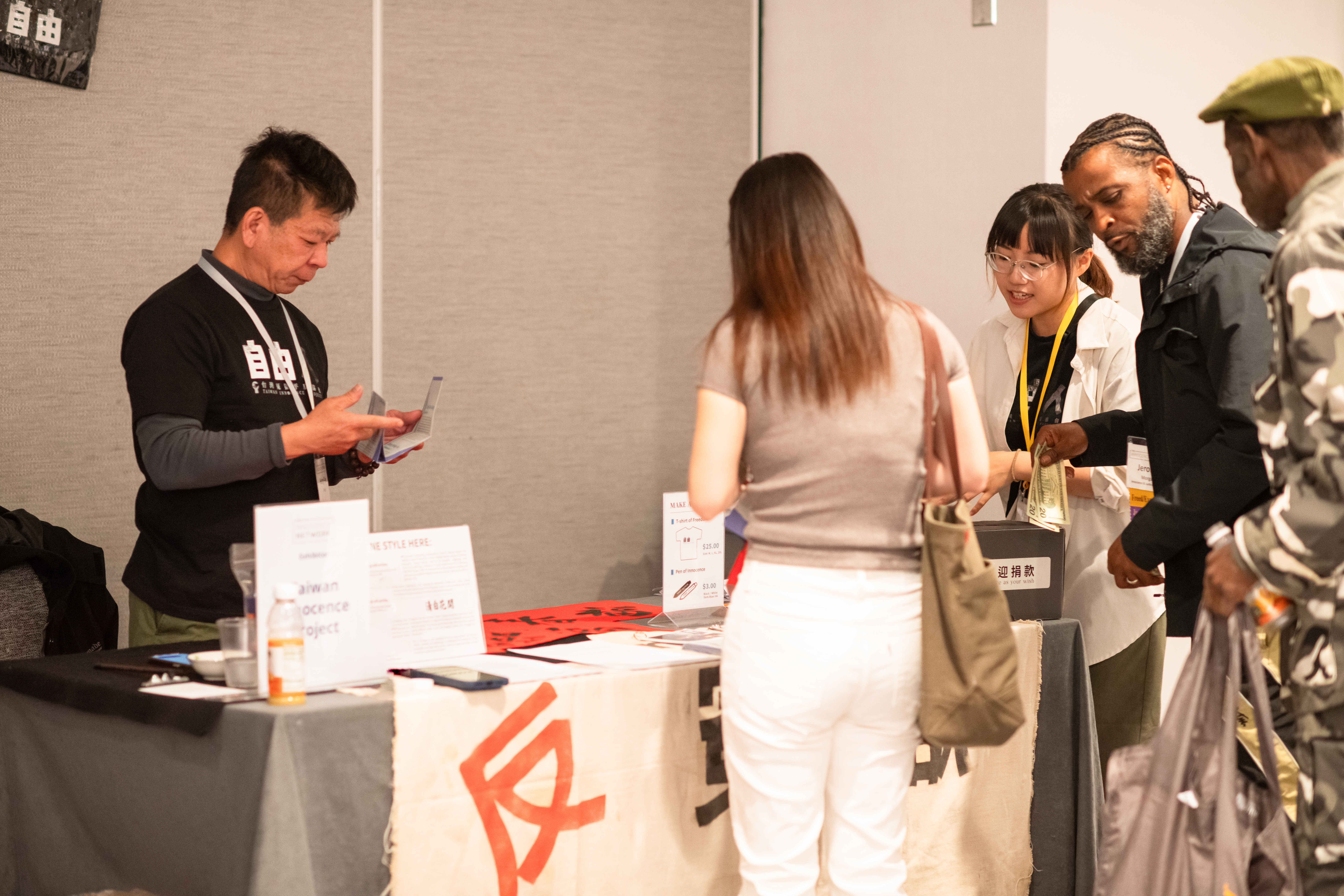
Taiwan Innocence Project client Cheng Hsing-Tse at the 2026 Innocence Network Conference in Chicago. (Photo: Lyra Photography)

Calvin Duncan at the 2026 Innocence Network Conference in Chicago. (Photo: Lyra Photography)
The Innocence Network Conference brought together a global community shaped by wrongful conviction. Beyond the sessions and panels, a series of moments captured the heart of the gathering: What it means to come home to this work and to each other.
The first day of the conference opened and closed with the voices of Chicago exonerees, grounding the gathering in lived experience. At the opening breakfast and plenary, Antoine Day welcomed attendees, setting a tone rooted in both reflection and resolve.
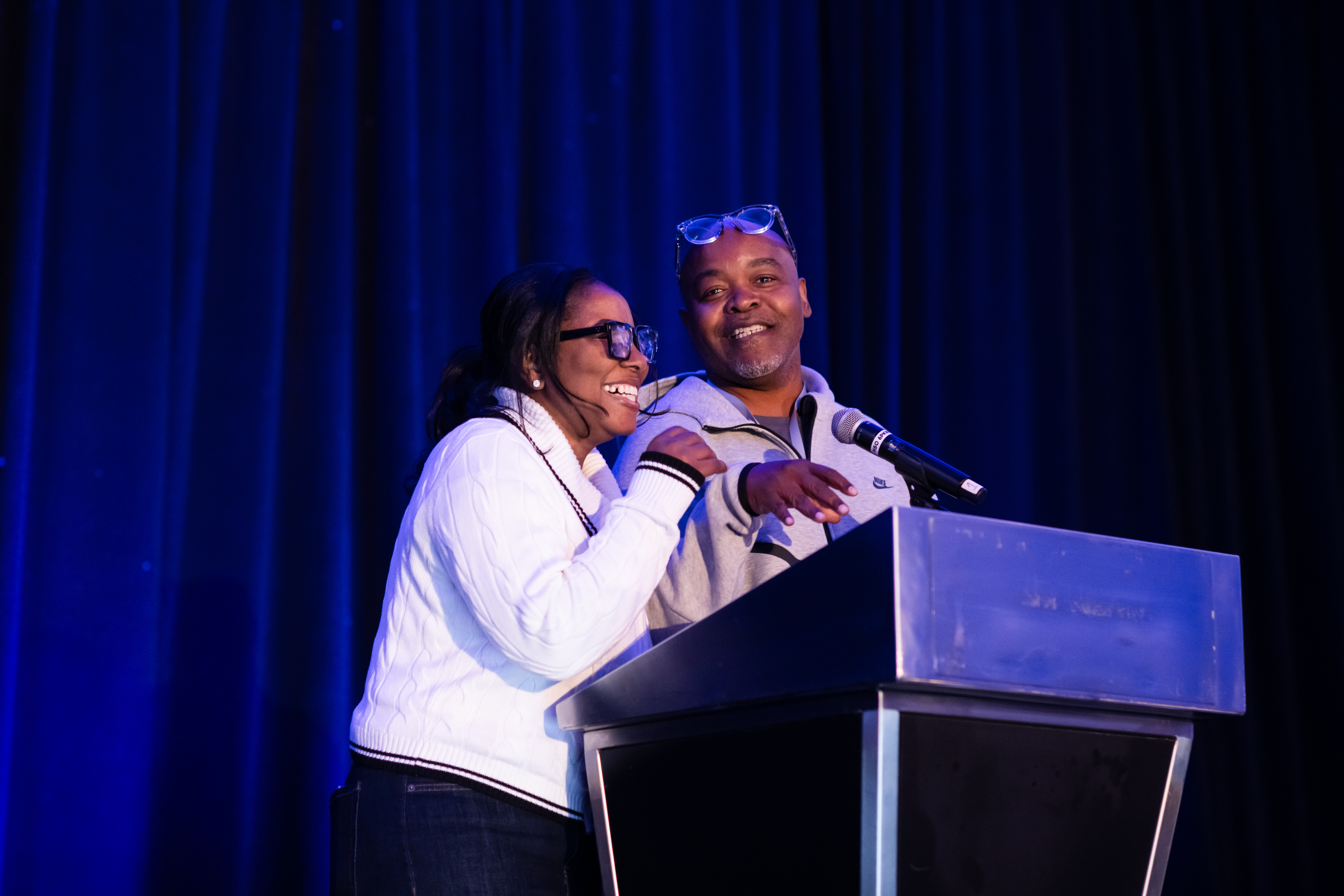
Clarissa Glenn and Ben Baker at the 2026 Innocence Network Conference in Chicago. (Photo: Lyra Photography)
That evening, Clarissa Glenn, this year’s Impact Award recipient and a former client of the Exoneration Project, and her husband Ben Baker led the conference tradition of formally welcoming first-time attendees who had been newly freed and exonerated. The group reflected a wide range of experiences — people who had lost anywhere from five months to five decades to wrongful conviction. Together, they were welcomed into a community that understands the weight of that loss and the complexity of rebuilding one’s life.
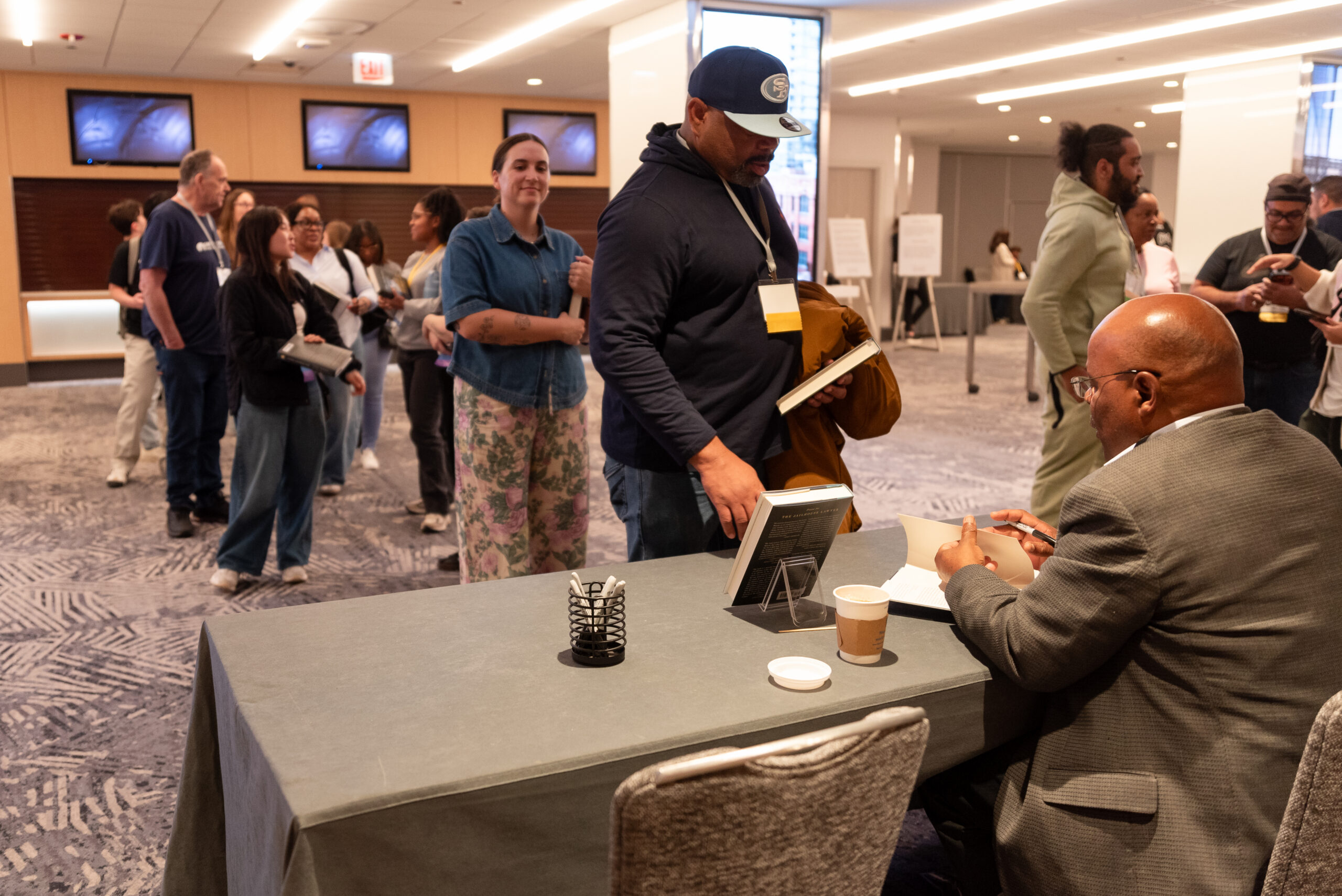
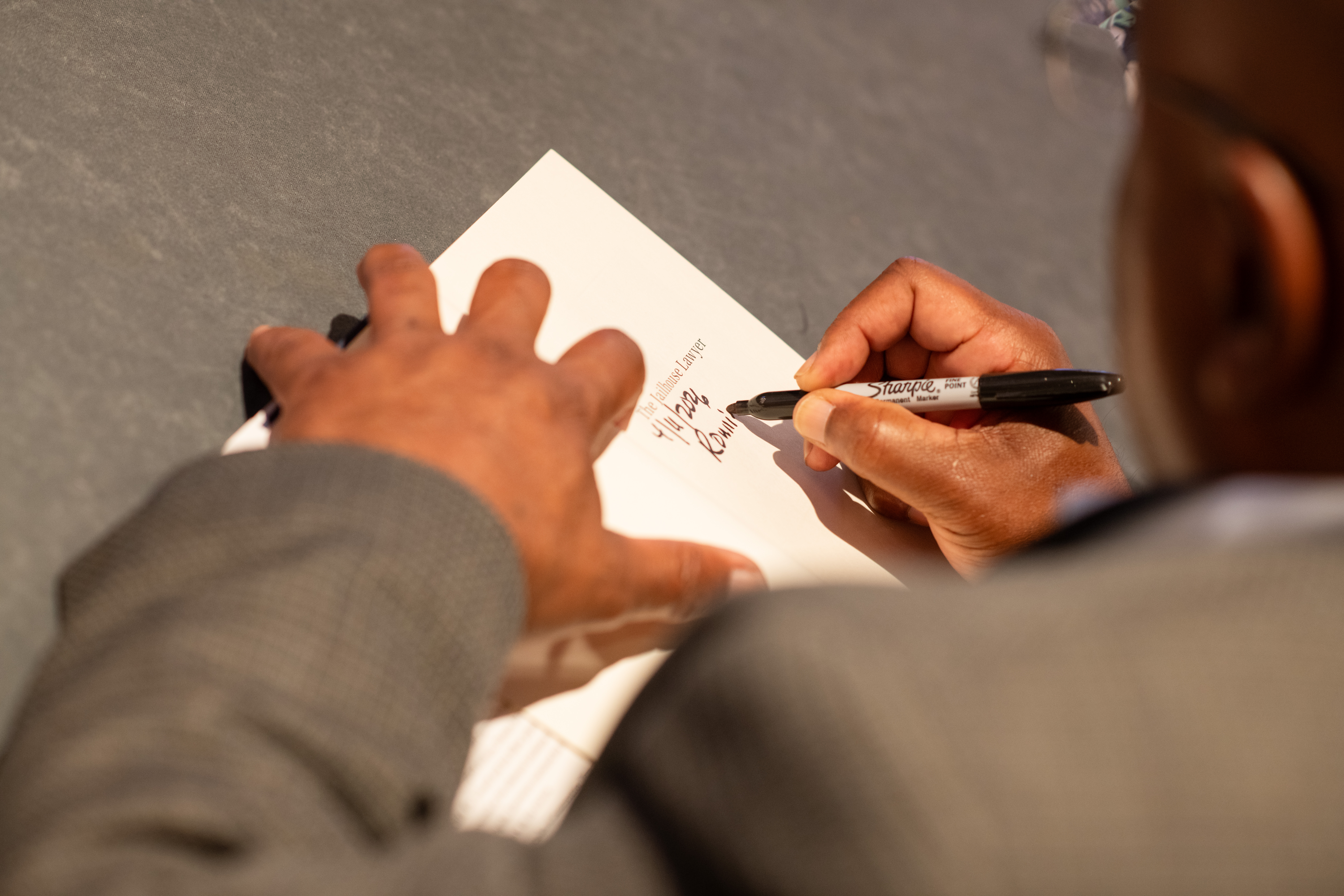
That momentum carried into one of the most talked-about moments of the weekend: a conversation featuring Calvin Duncan and Yusef Salaam on what it means to move from wrongful conviction into public office. Mr. Salaam, a member of the Exonerated Five, and Mr. Duncan, who was represented by Innocence & Justice Louisiana and wrongly incarcerated for nearly 30 years, spoke candidly about the challenge of carrying their pasts into political life and choosing to lead anyway. Mr. Duncan also recently celebrated the debut of his book The Jailhouse Lawyer and his election to public office in New Orleans.
Their conversation reflected a broader shift within the movement. People directly impacted are increasingly shaping the systems that once failed them. That momentum was visible throughout the conference. At Mr. Duncan’s book signing, lines stretched through the venue as attendees waited not just for signatures, but for conversation — a sign of how deeply his story, and his trajectory, resonate across the movement.


The conference also highlighted the critical role of data in advancing the movement. The National Registry of Exonerations was in attendance, underscoring its mission to track, research, and report on every known exoneration in the U.S.
We caught a moment with James Giles, the 640th person listed on the Registry — one of 3,796 exonerations documented since 1989. Mr. Giles spent 10 years in prison for a crime he did not commit. His story and his exoneration serves as a reminder that behind every data point is a person seeking justice.
James Giles spent 10 years in prison for a crime he didn’t commit. He is the 640th person exonerated on the @exonerationlist—one of 3,796 since 1989.
Thank you, James, for your courage, and @exonerationlist for being the source of truth. #innocenceconference… pic.twitter.com/jD36NuaosP— Innocence Project (@innocence) April 11, 2026
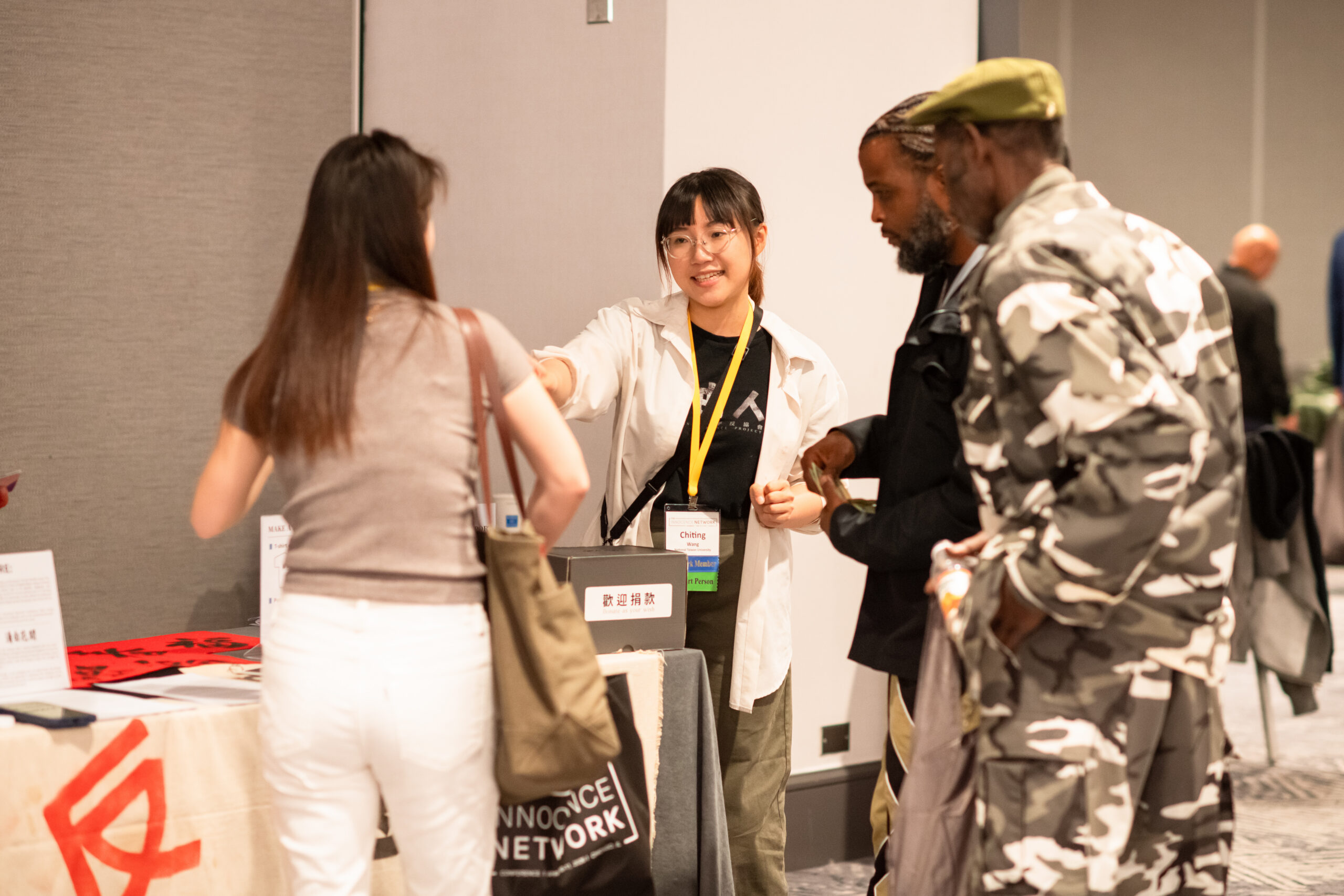
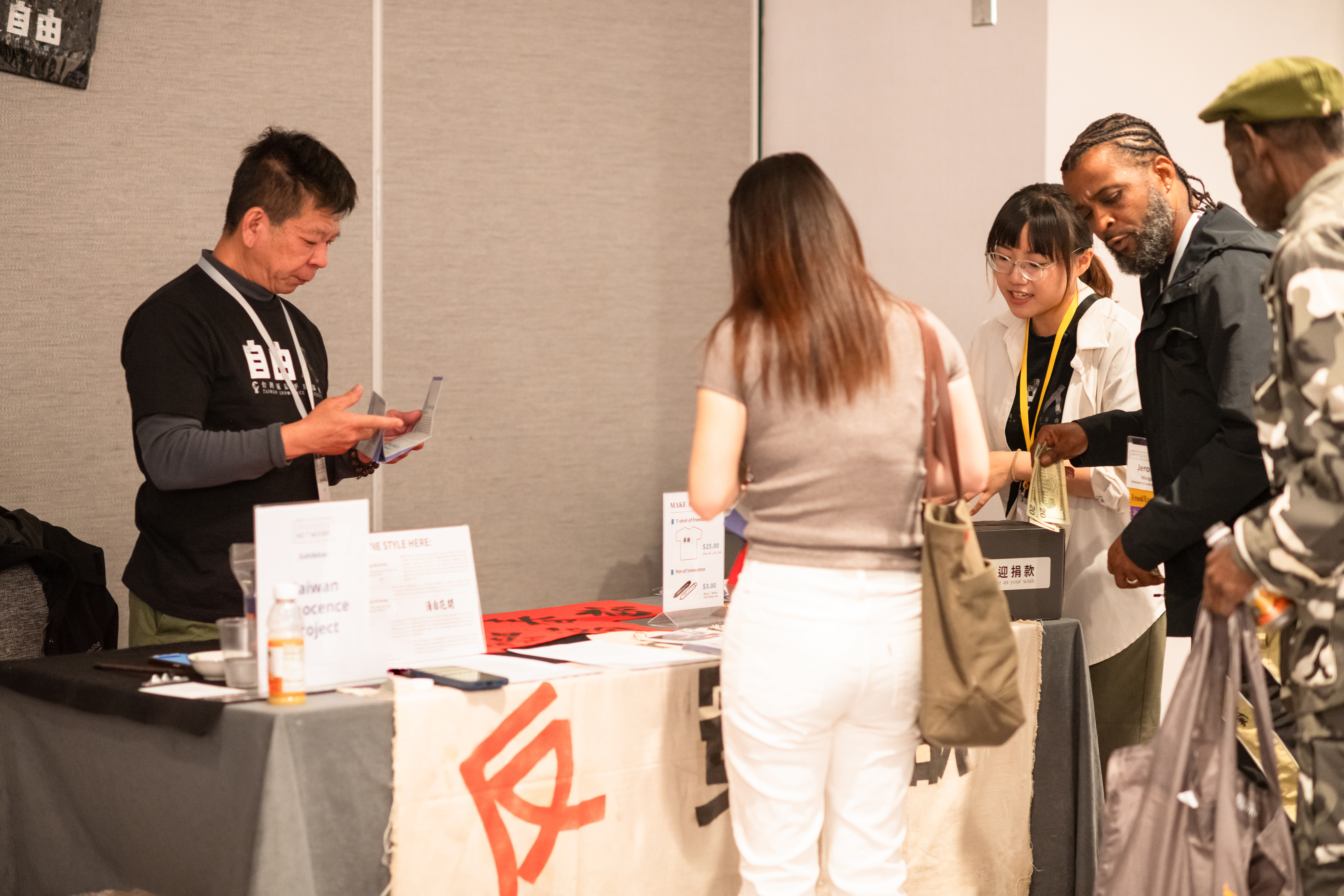
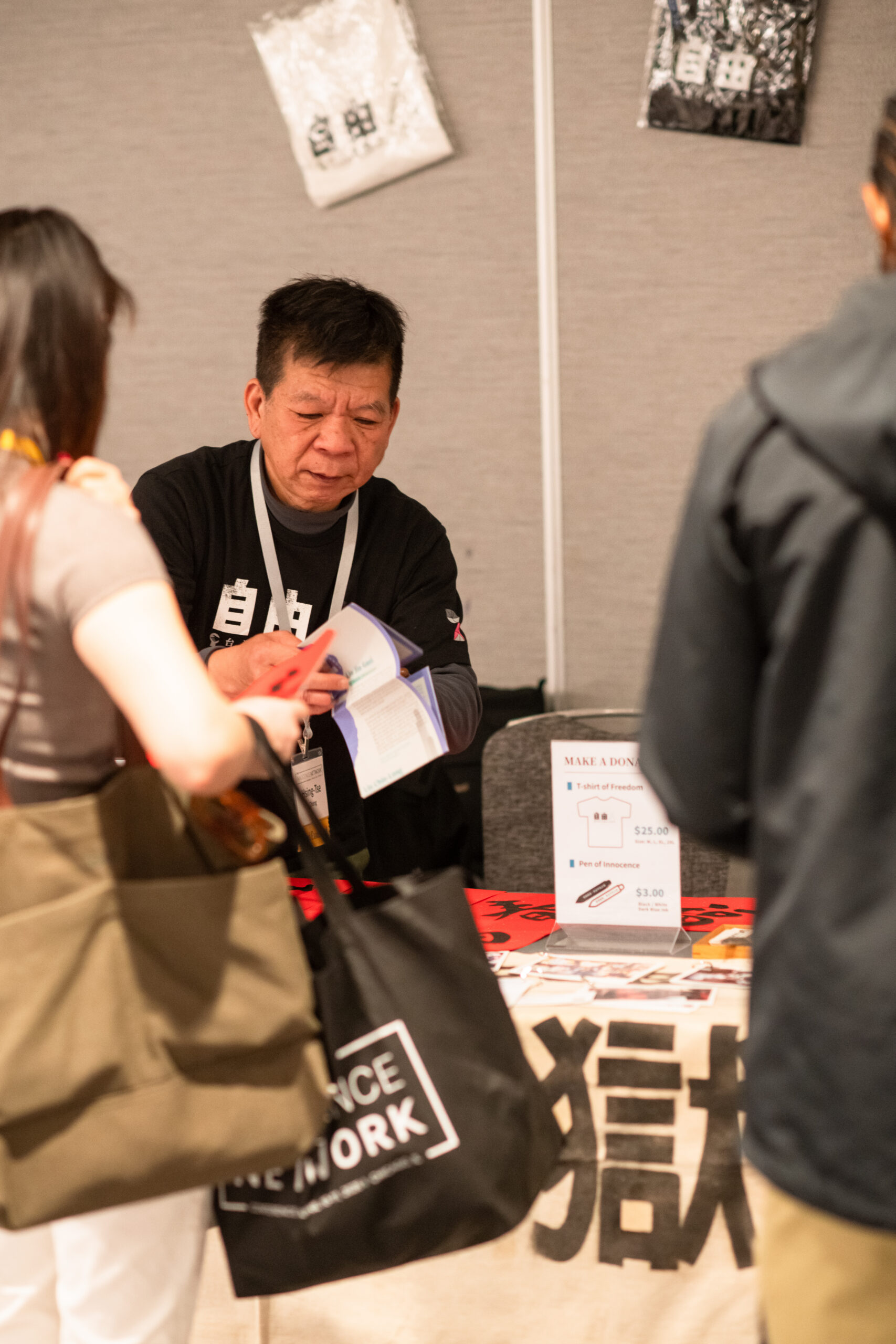
The increasingly global reach of the innocence movement was clear throughout the conference, which was attended by the Taiwan Innocence Project and its client, Cheng Hsing-Tse. Mr. Cheng spent 14 years on death row before being exonerated and shared his story at the conference through calligraphy. At a small table, he created pieces for attendees — writing phrases like “Not Guilty” and “Every Day Is a Good Day.” The steady line of participants engaging with the team served as a poignant reminder that the issue of wrongful convictions — and the critical effort to overturn them — is a fight that reaches far beyond the United States.
Taiwan Innocence Project client Cheng Hsing-Tse


The weekend featured powerful performances from the Mud Theatre Project, blending art and advocacy through spoken word and music. The program brought together artists Marvin Alexis, Darrion Benson, and Joel Davis, alongside special guest and Civic Orchestra of Chicago harpist Kari Novilla, whose live accompaniment added a distinct emotional depth to the performance.
That same spirit carried into one of the conference’s most anticipated traditions: The Moth storytelling performance. Nine storytellers took the stage without notes — including three Innocence Project clients, Paul Hildwin, Ron Jacobsen, and Renay Lynch — offering deeply personal accounts of survival, loss, and resilience.
They shared personal moments during and after wrongful convictions that rarely make it into court filings or headlines. Their stories oscillated between humor and heartbreak, eliciting laughter and reflection.
Power Performances
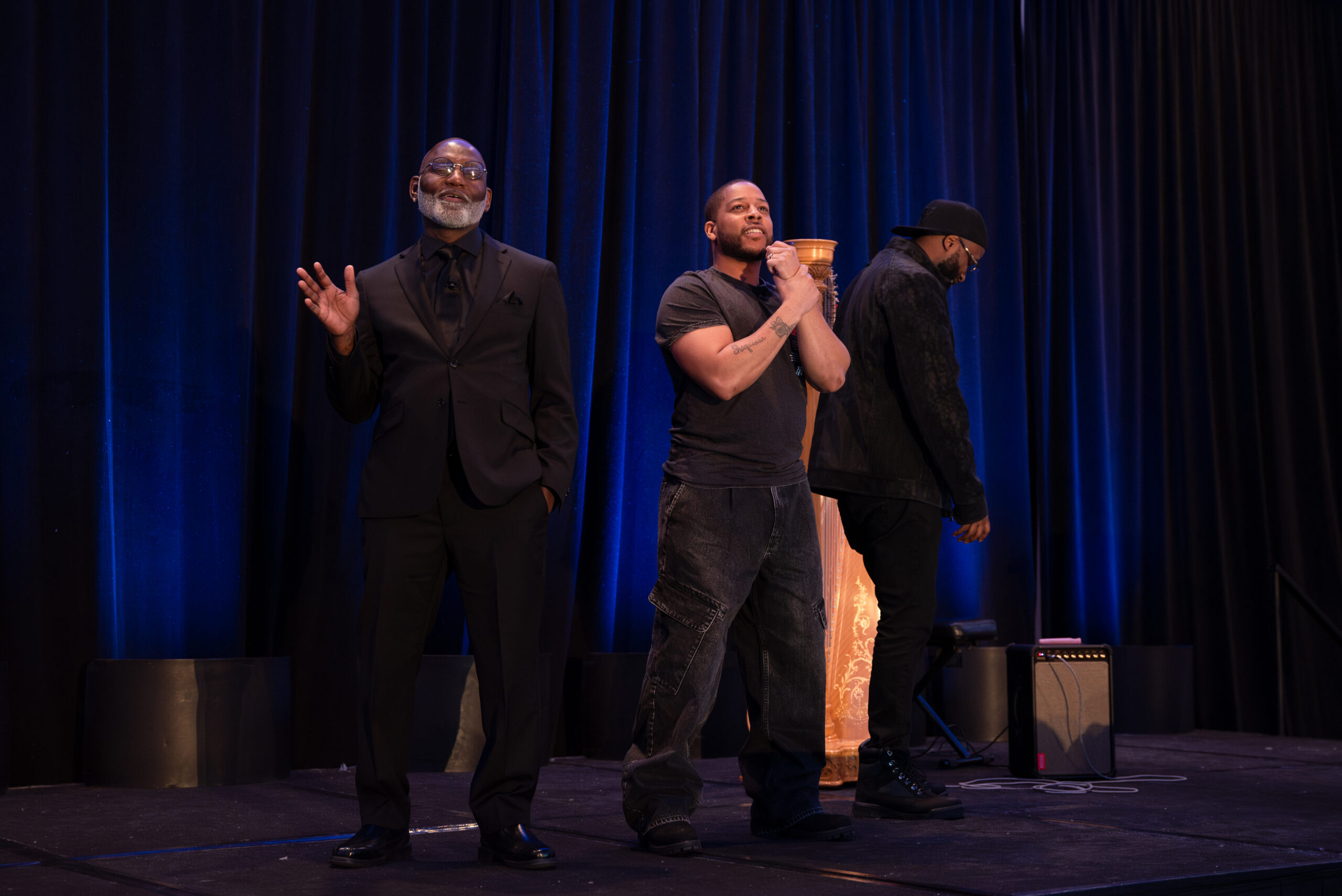
The Mud Theatre Project (Photo: Lyra Photography)
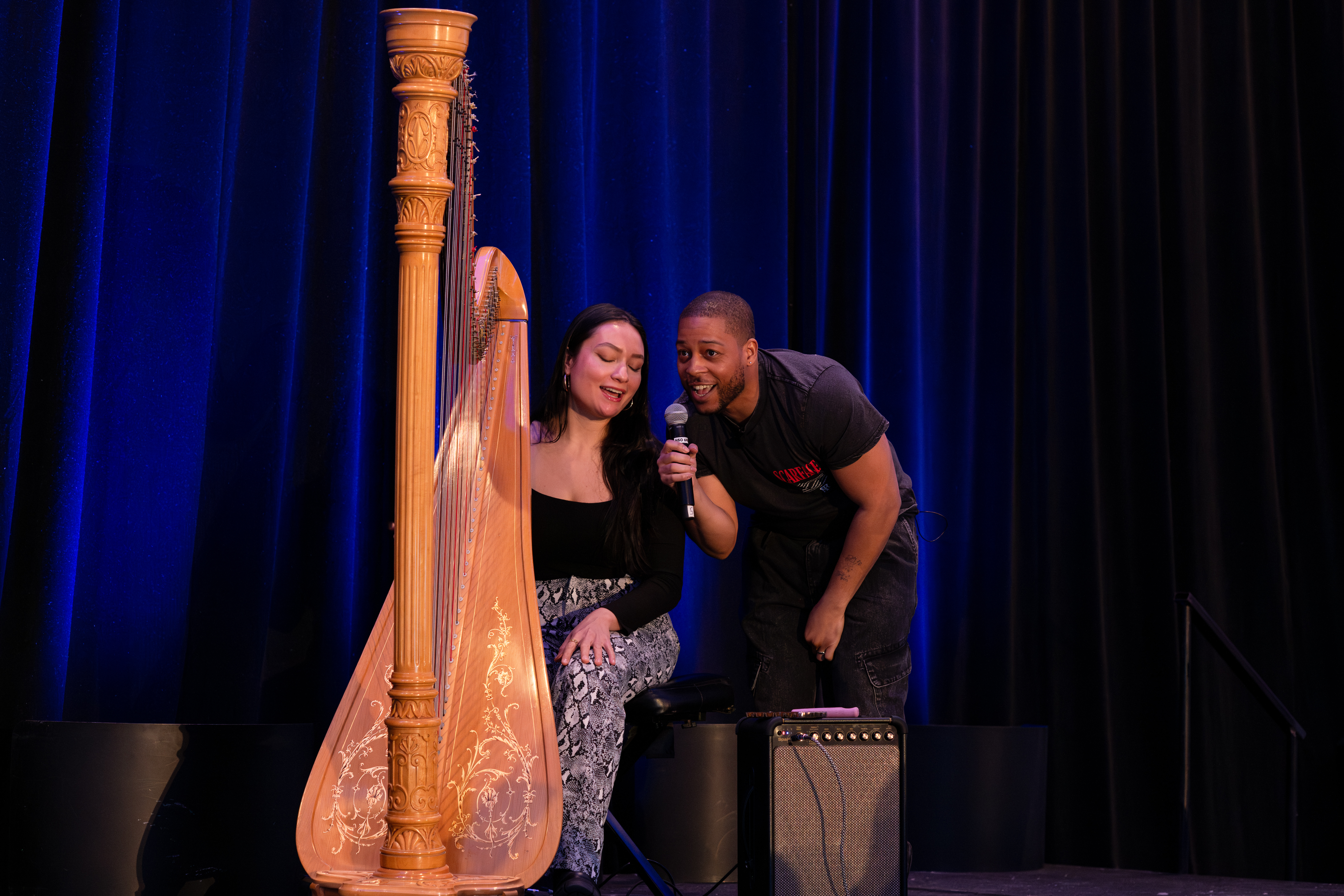
The Mud Theatre Project (Photo: Lyra Photography)
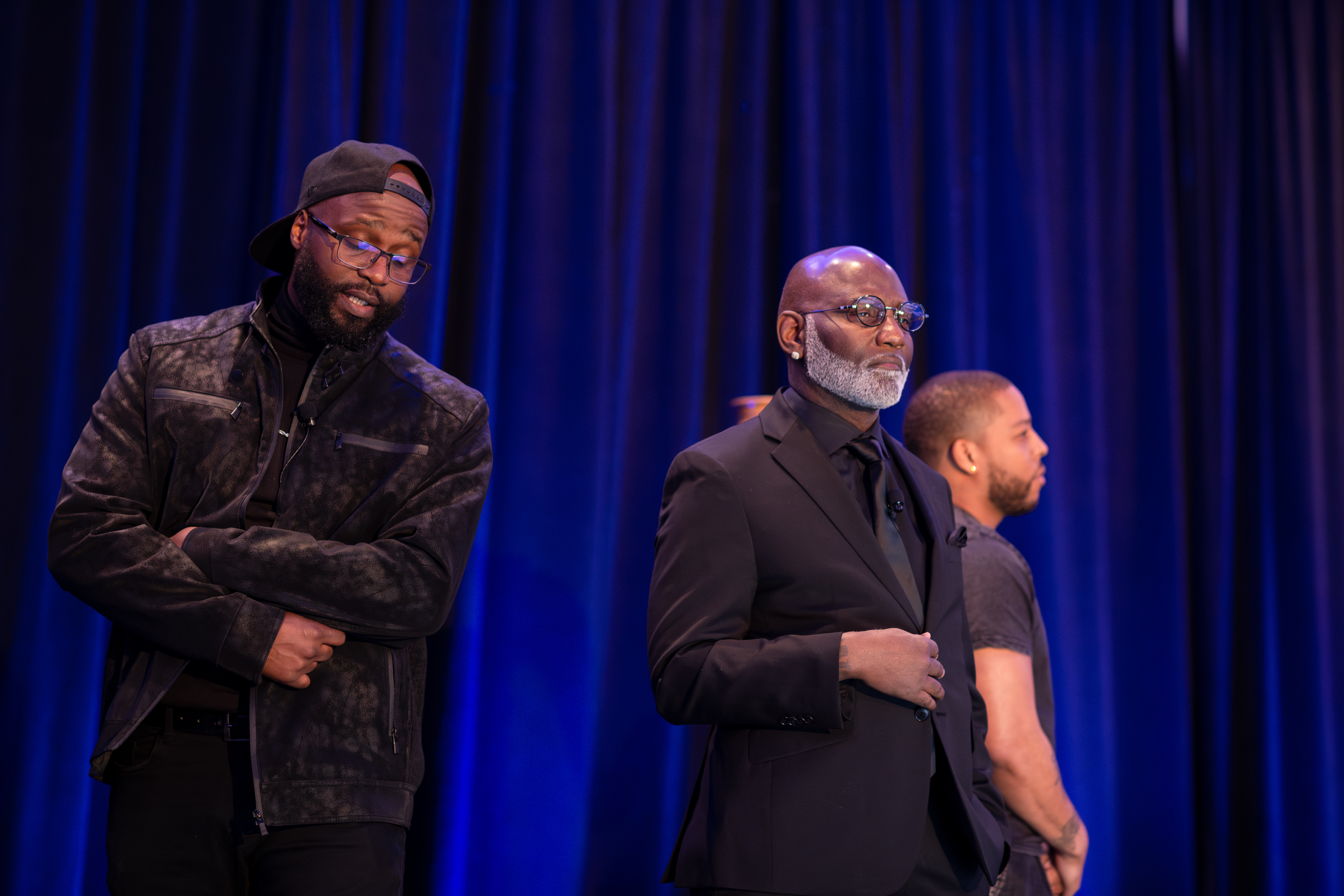
The Mud Theatre Project (Photo: Lyra Photography)
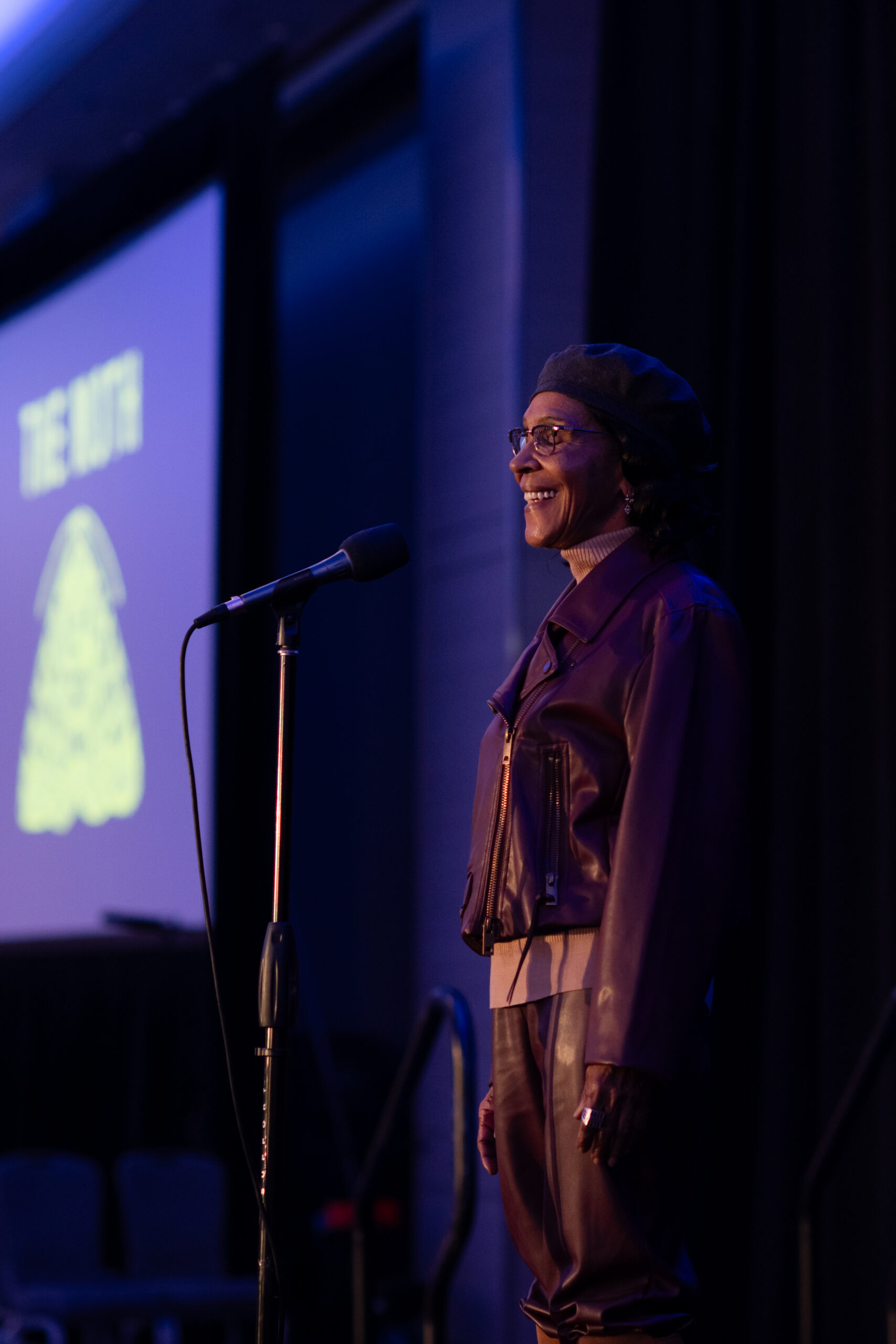
Renay Lynch at The Moth storytelling session. (Photo: Lyra Photography)

Ron Jacobsen at The Moth storytelling session. (Photo: Lyra Photography)
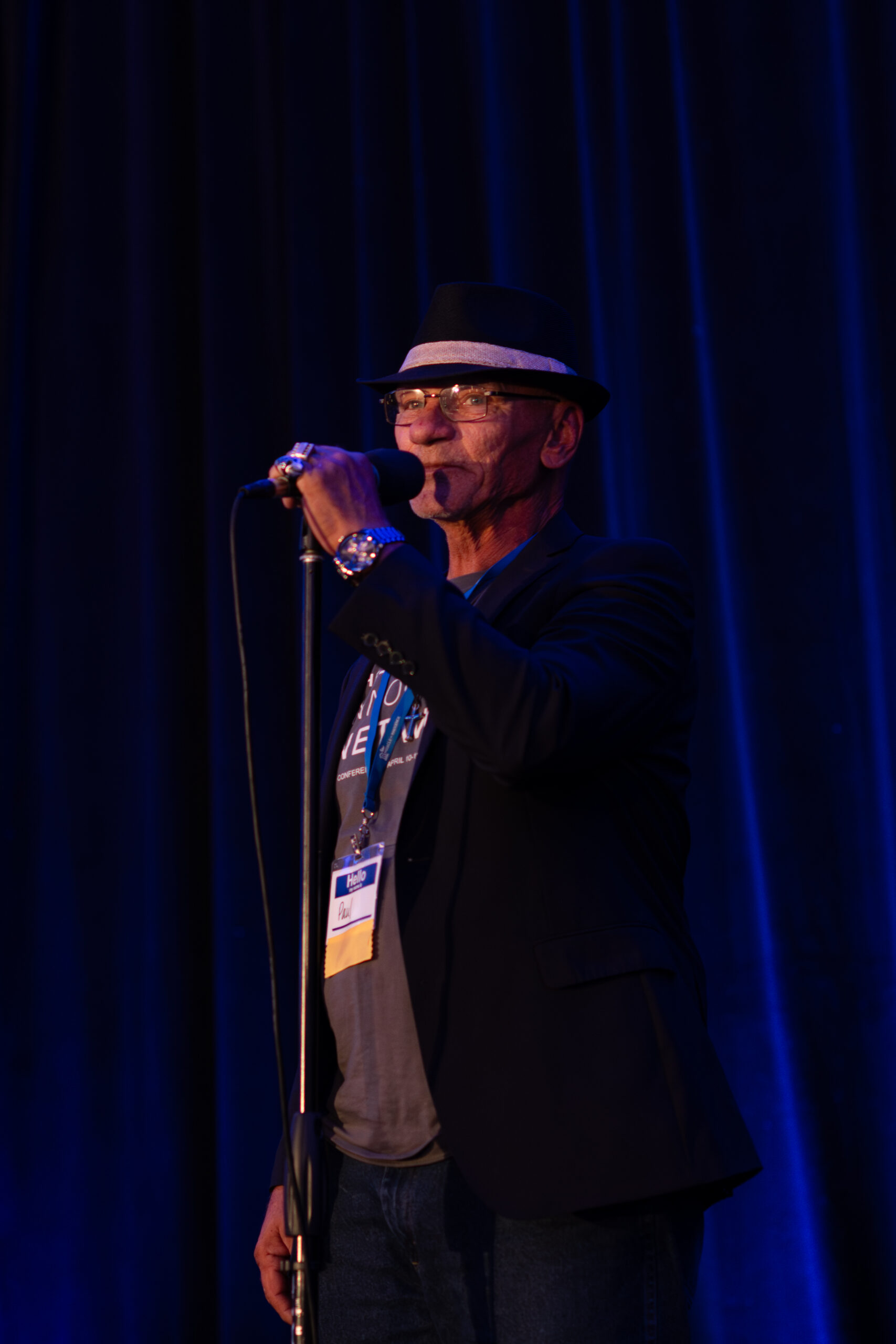
Paul Hildwin at The Moth storytelling session. (Photo: Lyra Photography)
The Moth storytellers. (Photo: Lyra Photography)
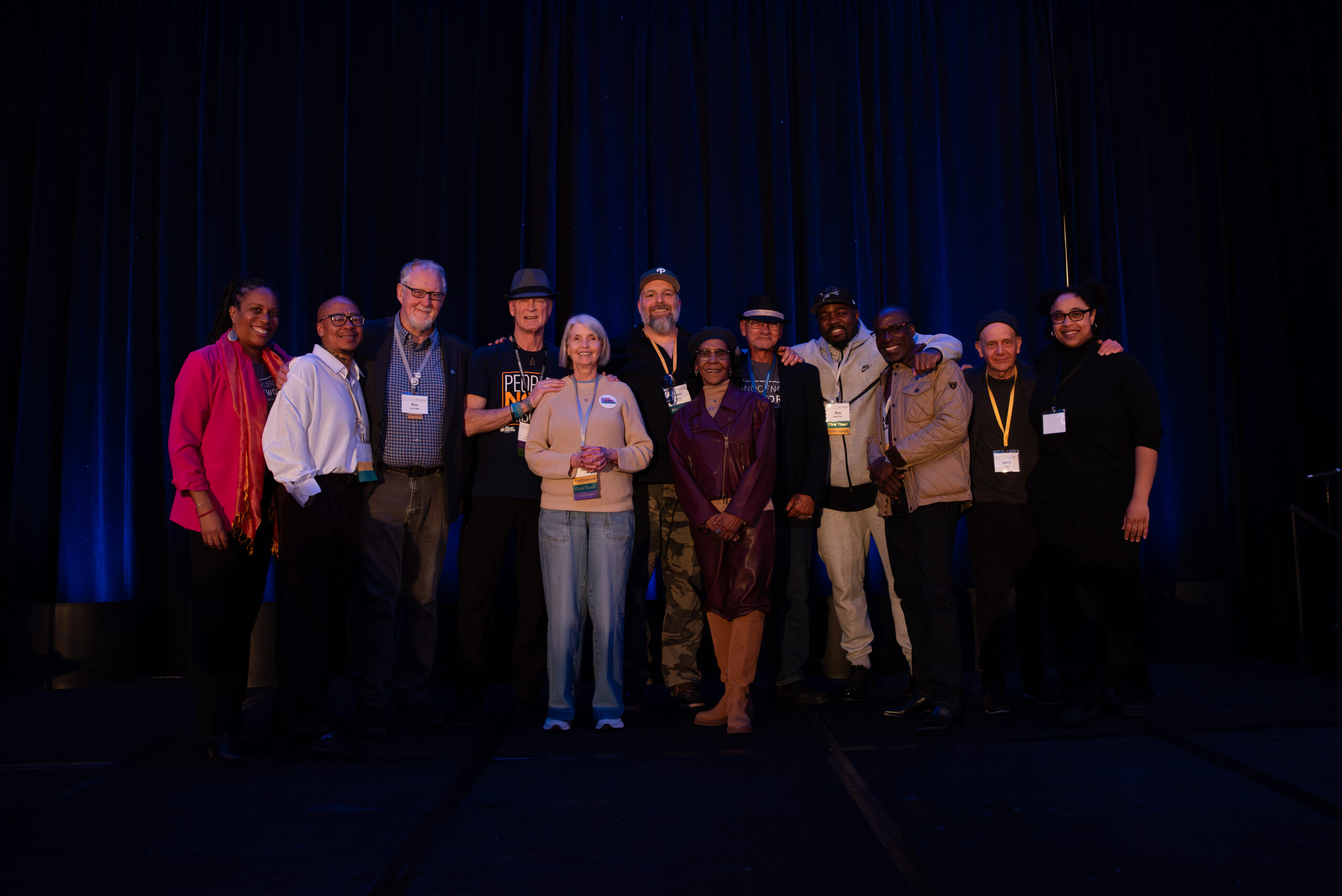
The Moth storytellers. (Photo: Lyra Photography)
Next year, the work will continue in Anaheim, California, where the 2027 conference will take place. Follow the Innocence Network and its member organizations to stay connected year-round and find ways to be part of what comes next.
Leave a Reply
Thank you for visiting us. You can learn more about how we consider cases here. Please avoid sharing any personal information in the comments below and join us in making this a hate-speech free and safe space for everyone.