Five Facts About DNA Testing and Wrongful Convictions in 2026
DNA testing has contributed to over 600 exonerations since 1989.
04.29.26 By Ishikaa Kothari
(Image: envato/iLexx)
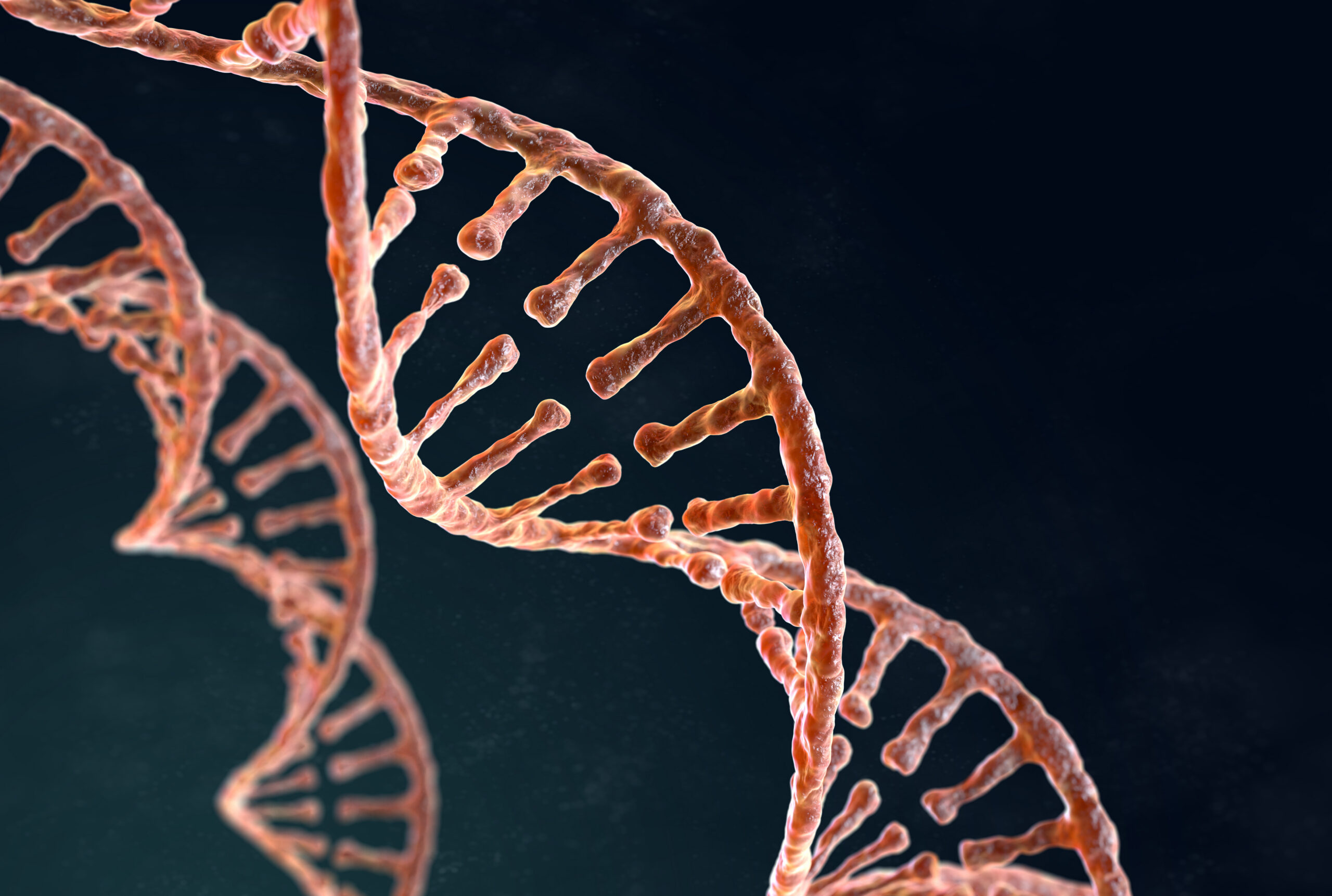
DNA (deoxyribonucleic acid) is found in almost every human cell and holds a distinct genetic code that acts as the body’s blueprint. It carries the instructions for the development, functioning, and growth of all living organisms, and determines our inherited traits. Each person’s DNA is unique to them — except in the cases of identical siblings — making it critical to the Innocence Project’s work in proving wrongful convictions.
In 1953, scientists discovered that DNA has a unique double-helix structure, which is how the molecule stores, copies, and passes down genetic information. Each April, we celebrate this transformative discovery for World DNA Day.
Based on this understanding of DNA and the decades of technological advancement that followed, DNA testing has become a powerful tool for linking or excluding people from crime scene evidence. DNA evidence has contributed to over 600 exonerations — including over 200 Innocence Project clients.
Here are five facts about DNA testing and how it helps us advocate for innocent people:
1. DNA can be found in biological materials from a crime scene.
There are several types of biological evidence that could be sources of DNA. These include bodily fluids — like blood, semen, or saliva — hair, teeth, bones, and skin cells left by a person’s touch or collected from underneath a victim’s fingernails. This evidence can potentially be gathered from items like hats or used tissues, clothing, bedsheets, and murder weapons.
DNA can survive for years, especially when it is properly gathered, stored, and preserved.
2. Most cases do not have DNA evidence that can be tested.
Less than 1 in 10 crimes have DNA evidence available. The vast majority of crimes are not scenarios in which DNA evidence would be left behind. That is why the Innocence Project believes it is so crucial to use each exoneration as a learning moment and works to implement reforms throughout the system to prevent wrongful convictions, advocating for clients through all possible methods.
3. DNA can prove innocence and identify the actual perpetrator of a crime.
DNA found on crime scene evidence can help investigators determine what happened and who may have been involved. Forensic scientists can analyze DNA evidence to confirm or exclude individuals as contributors to crime scene evidence, which can help prove innocence.
Gary Dotson’s case is one of the first instances of this in the U.S. In 1979, Mr. Dotson was convicted of rape and kidnapping in Illinois. But six years later, the woman he was convicted of raping recanted her statement and confessed to making up the story to hide from her foster parents the fact that she had had a consensual sexual relationship.
However, the trial court did not initially believe her recantation, and Mr. Dotson was not freed. Finally, in 1988, DNA testing excluded Mr. Dotson as the source of the DNA on the crime scene evidence and instead identified the woman’s then boyfriend. These results corroborated her recantation, confirmed Mr. Dotson’s innocence, and led to his exoneration.
4. Post-conviction DNA testing is only truly accessible in about half of the U.S.
Though all 50 states have laws allowing post-conviction DNA testing, nearly half of states have procedural barriers that prevent people from accessing post-conviction DNA testing.
One common procedural barrier is the narrow timeframe in which people can request DNA testing. For example, Delaware only allows individuals to request post-conviction DNA testing within three years of a conviction. This restriction poses a challenge for people who were convicted when DNA testing was not available, or before the development of more advanced DNA testing techniques. The Innocence Project’s policy team supports legislation pending in Delaware, which would update the state’s post-conviction DNA testing statute by removing this three year limit and other barriers.
Moreover, there are a handful of states that prohibit DNA testing if a client has pleaded guilty even though guilty pleas are a leading contributing factor to wrongful convictions. In an analysis of 375 exonerations, the Innocence Project found that more than 11% of individuals that pleaded guilty were innocent and later exonerated using DNA evidence. Whether it is through coerced confessions or the threat of a harsher punishment, innocent people often plead guilty. Innocence Project client Marvin Grimm Jr., who pleaded guilty in 1976 after being threatened with the death penalty, was originally barred from accessing DNA testing under Virginia’s statute. However, the Innocence Project’s policy advocates lobbied against this requirement, enabling him to access DNA testing and finally be exonerated in 2024.
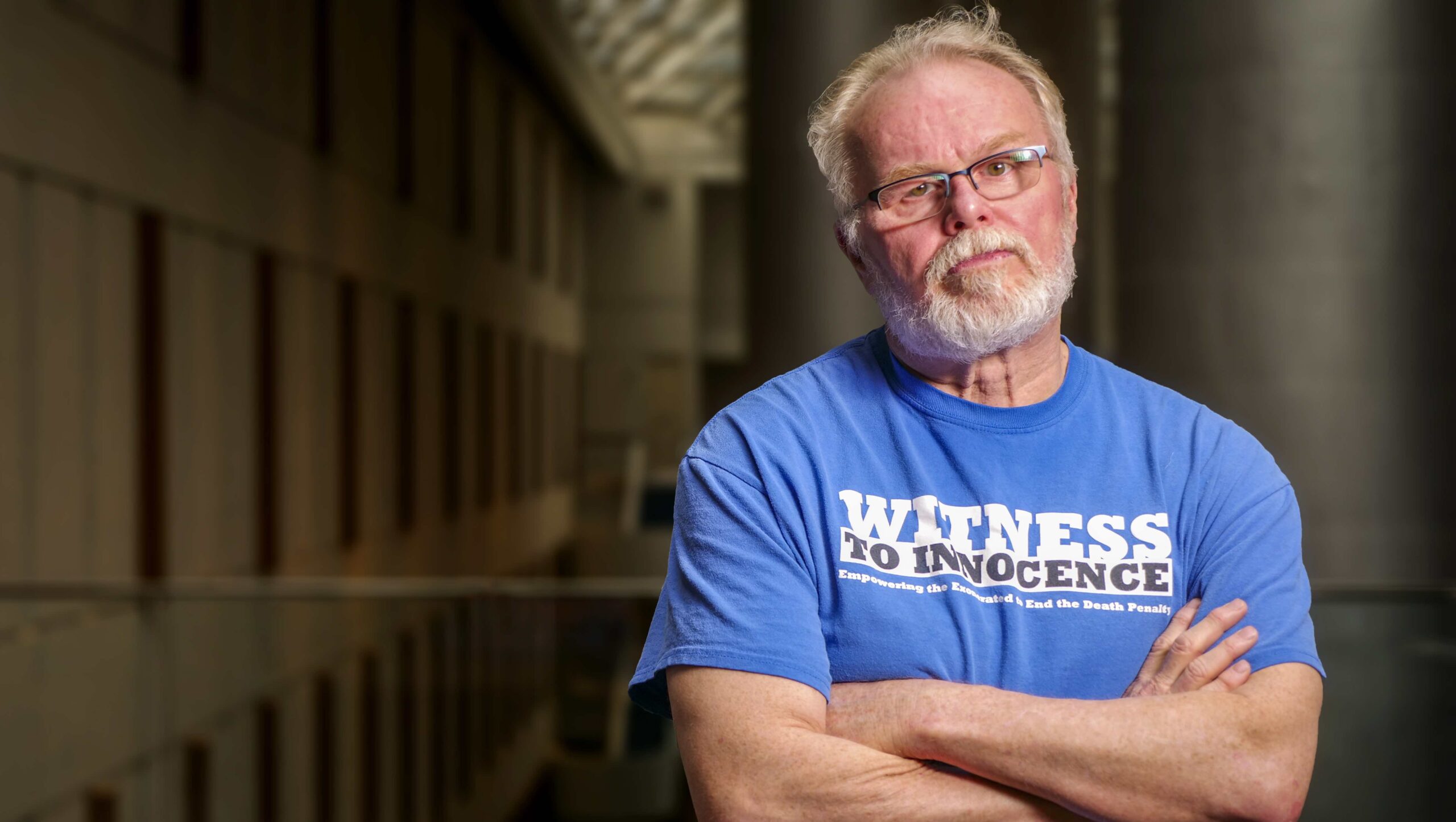
Kirk Bloodsworth at the 2019 Innocence Network Conference in Atlanta, Georgia. Photo: Lacy Atkins.
5. DNA testing can be costly.
In the cases of our clients, DNA testing has typically cost anywhere from $5,000 to $50,000 for a single case. This wide price range is due to some cases needing multiple types of tests on a single piece of evidence or multiple pieces of evidence needing to be tested. Sometimes finding the DNA evidence that is key to an exoneration is like searching for a needle in a haystack.
The Innocence Project covers the cost of DNA testing in all its cases. It also advocates for federal funding for initiatives like Wrongful Conviction Review Program, which provides funding for nonprofit innocence clinics, public defender offices, and universities who review claims of innocence based on DNA evidence. The Innocence Project also successfully advocated for the creation of the Kirk Bloodsworth Post-Conviction DNA Testing Program, which provides federal funding for post-conviction DNA testing. The program is named after Kirk Bloodsworth, the first person on death row to be exonerated by DNA testing in the U.S.


Leave a Reply
Thank you for visiting us. You can learn more about how we consider cases here. Please avoid sharing any personal information in the comments below and join us in making this a hate-speech free and safe space for everyone.