When Death Investigations Go Wrong: New Research Reveals the Risks of Wrongful Conviction
A growing body of data shows how outdated forensic methods and unreliable expert testimony distort justice. What researchers say we should do next.
08.15.25 By Isabelle Cohn and Vanessa Meterko
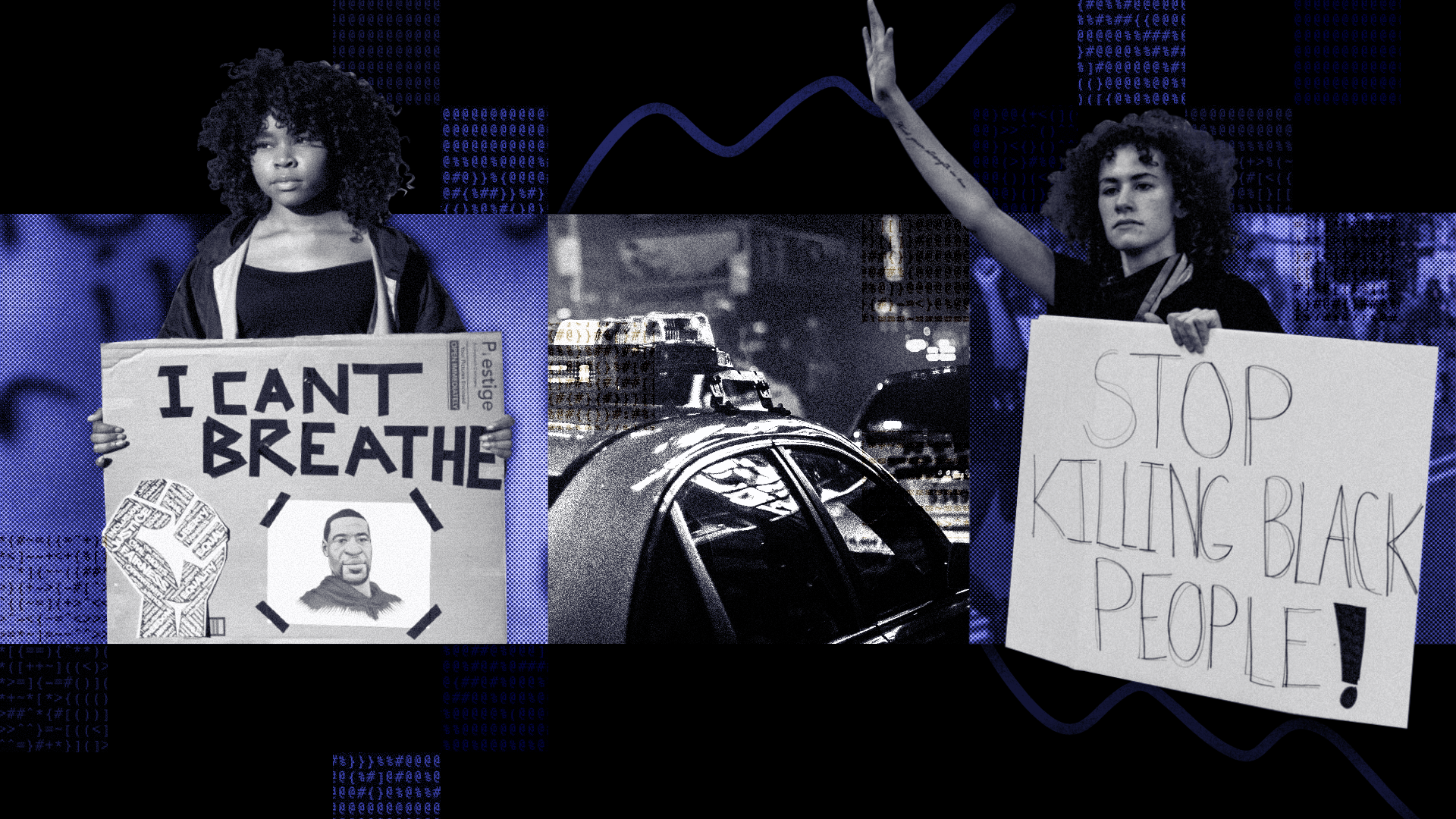
Image: Innocence Project/Insia Haque
When a person dies under unexpected or suspicious circumstances, medicolegal death investigators, including coroners and medical examiners, are tasked with determining how and why. But flawed investigations which are often the result of unconscious biases, a lack of standards, and insufficient training and oversight can deliver misleading and inaccurate findings that in turn may lead to wrongful convictions and leave victims’ families without justice.
At the latest Just Data: Advancing the Innocence Movement event hosted by the Innocence Project in June, experts unveiled troubling findings from an independent audit of Maryland’s Office of the Chief Medical Examiner (OCME), which reviewed deaths that occurred during or shortly after individuals were restrained, typically by law enforcement.
In 44 of the 87 cases, independent examiners disagreed with the OCME’s official manner-of-death ruling, including 36 deaths that reviewers deemed homicides but OCME had classified as undetermined, accidental, or even natural. Reviewers also found that “excited” or “agitated” delirium — a controversial and discredited diagnosis often used to explain deaths in police custody — appeared in 42 of the cases, and was disproportionately applied to people of color. The use of this label obscures the true cause of death, shielding potential misconduct and preventing families from demanding accountability.
“There’s really no reason to believe that these issues are unique to Maryland,” said Dr. Jeff Kukucka, one of the researchers and a headline speaker at the event. “These are systemic problems that need to be addressed in a lot of places — from how we classify homicides to how we train police to respond to people in crisis. I hope we are the first of many dominoes to fall.”
The shocking consequences of these types of flawed investigations have played out in the cases of Innocence Project clients as well.
For nearly two decades, Rosa Jimenez sat in a Texas prison cell, wrongly convicted in the tragic death of a child in her care. In 2003, the 21-month old swallowed a wad of paper towels that cut off his air supply causing severe brain injury. At trial, medical experts wrongly testified that the child simply could not have swallowed the towels on his own. Her case, fueled by misleading medical testimony and a misunderstanding of scientific evidence, exemplifies another way in which flawed death investigations can derail justice.
“One moment I was a young mother, trying to build a future for my daughter. The next, I was being accused of something I didn’t do,” said Ms. Jimenez. “My dreams were shattered and my trust was broken.”
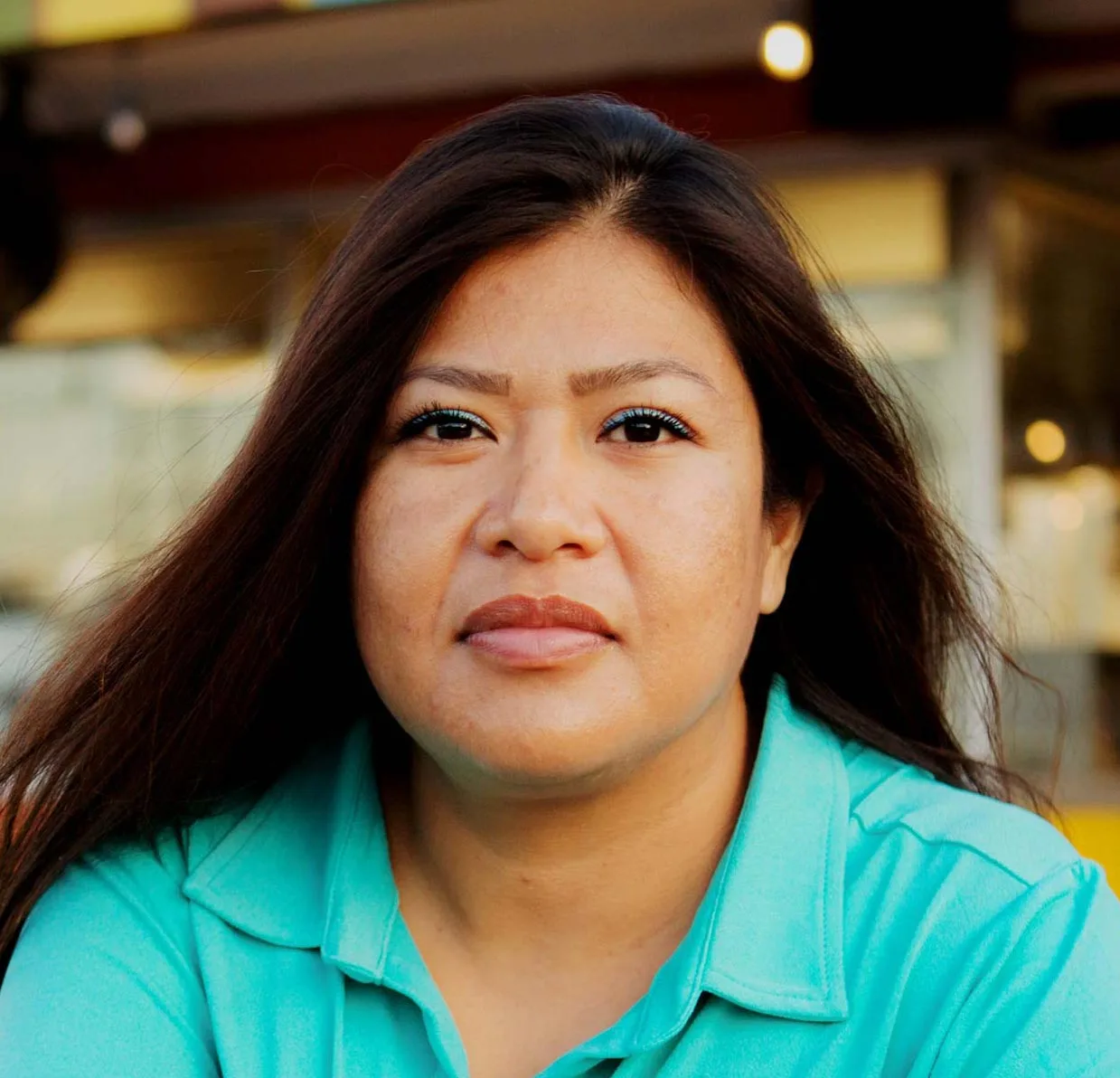
Ms. Jimenez joined leading researchers and legal experts including Innocence Project co-founder Peter Neufeld and Innocence Project Senior Fellow for Forensic Science Policy Dr. Maria Cuellar to spotlight this often overlooked crisis in the criminal legal system.
WATCH: Just Data: How Faulty Forensics and Flawed Systems Distort Death Investigations:
If we are serious about preventing further miscarriages of justice, urgent research and bold policy reform are essential. For researchers, advocates, and policymakers working to strengthen the accuracy, transparency and accountability of medicolegal death investigations some pressing questions must be addressed including:
- Juror decision-making: Do jurors assign greater credibility to non-medical, non-scientific information when it is conveyed by a testifying pathologist rather than a lay witness? Are certain phrases like “consistent with” misinterpreted as proof that the prosecutor’s narrative is true?
- Bias in autopsies: Does implicit racial bias influence findings? Would a blind, independent review of the initial autopsy (e.g., obscuring the race of the victim, the conclusions of the initial examiner) reduce the impact of bias?
- Systemic reforms: Would limiting medicolegal death investigators’ testimony to cause of death (e.g., suffocation) and excluding opinions on manner of death (e.g., judging it a homicide versus an accident) impact legal outcomes? What oversight models work best for promoting accuracy in medicolegal death investigations?
Policy Recommendations
The Innocence Project’s policy team and Mr. Neufeld also put forward bold policy recommendations, including:
- Designating a federal agency such as the CDC to regulate and standardize death investigation practices.
- Barring medicolegal death investigators from offering “manner of death” opinions before grand juries or at trial.
- Creating independent state-level review boards for controversial or suspicious deaths, particularly those in custody or involving infants and toddlers where criminal prosecution is being considered.
For an expanded list of questions and recommendations, click here to explore our full research and policy agenda.
Be part of the movement. Our next Just Data event on Sept. 26 will bring together exonerees, researchers, advocates, and community members to share stories, data, and solutions for transforming the systems that lead to wrongful convictions. Join us and register today to add your voice and help build change from the ground up.
If you want to get in touch with the Innocence Project’s Data Science & Research team, you can reach them at [email protected].


Leave a Reply
Thank you for visiting us. You can learn more about how we consider cases here. Please avoid sharing any personal information in the comments below and join us in making this a hate-speech free and safe space for everyone.