Innocence Project and StoryCorps Studios Launch ‘Stories of Freedom,’ Firsthand Accounts of Wrongful Conviction
More than 30 intimate conversations from people impacted by wrongful conviction will be preserved in the Library of Congress.
03.19.26 By Alyxaundria Sanford
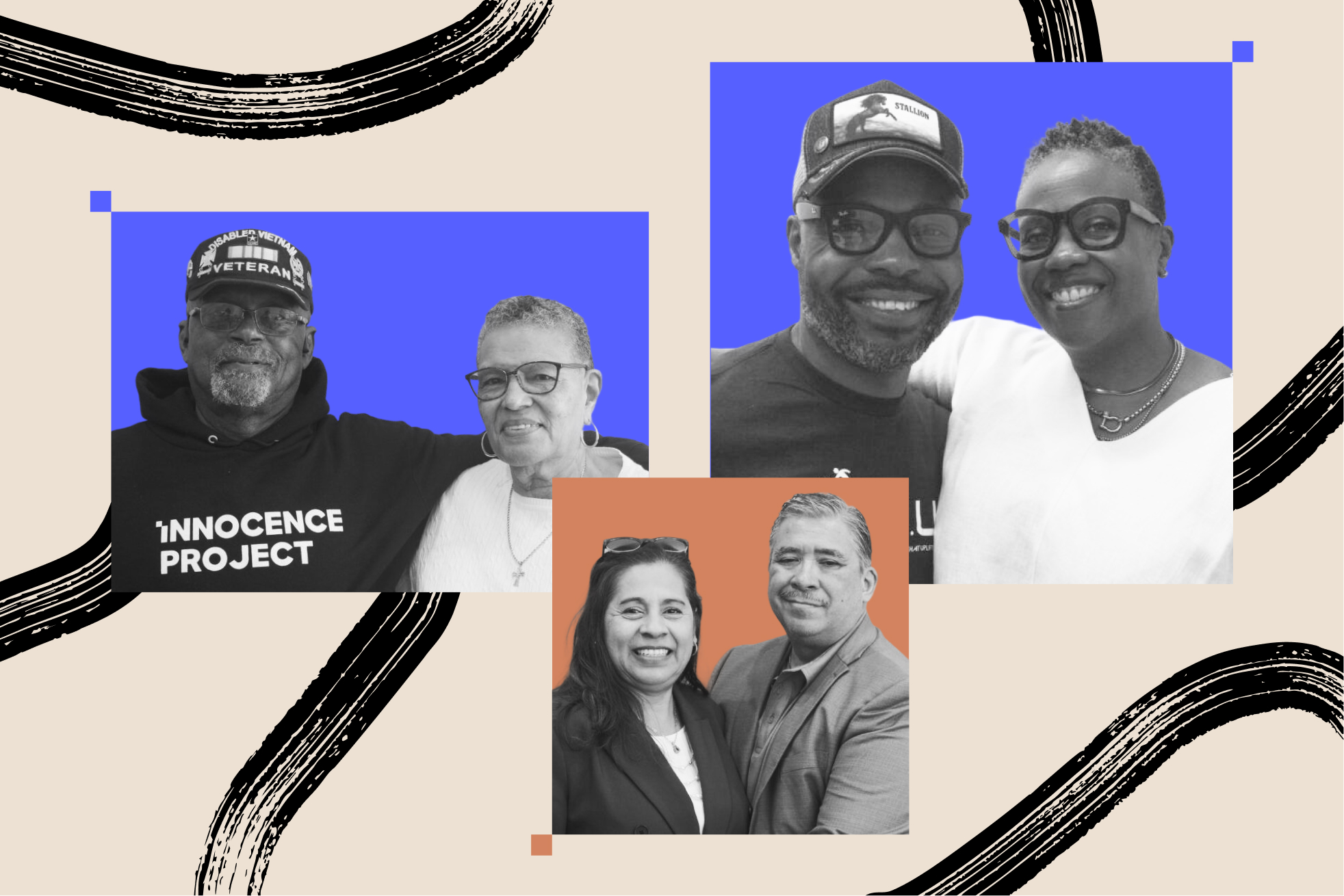
Image: Innocence Project/Ashia Shelton
Wrongful convictions are often defined by numbers: the number of lives upended, the number of years unjustly served, and the number of systemic failures that allowed such injustices to occur. Reduced to statistics, the personal stories of those wrongly convicted — marked by profound loss and resilience — too often go unheard.
Through a new partnership supported by grants from the Mellon Foundation and Robert Wood Johnson Foundation, the Innocence Project and StoryCorps Studios are working to change that. Together, we are building a permanent archive of conversations with people who have experienced wrongful convictions, their loved ones, and their champions.
These oral histories, which will live in the Library of Congress, ensure that current and future generations can better understand the tragic reality of our criminal legal system — and remember the courage, tenderness, and resilience of those who survived it.
Highlighted below are just four of the over 30 conversations that are now part of this growing archive.
1. John Nolley: Father and Son Maintaining Their Connection
John Nolley was exonerated in 2018 after DNA evidence proved he did not commit the murder that had sent him to prison for nearly two decades. During those years, he had to watch his son grow up from behind bars, finding ways to remain a present and intentional parent despite the distance and limitations imposed by incarceration. In conversation with his son, Tavan Seaton-Nolley, they discuss how they sustained their bond during the 17 years Mr. Nolley was wrongfully incarcerated and how they continue to navigate fatherhood, grief, and love after his exoneration.
2. Christopher Ochoa: Relearning How to Love After Years of Harm
Christopher Ochoa* was wrongly convicted of murder and sexual assault in Texas in 1989. He served 13 years in prison before DNA evidence and a confession from the actual perpetrator, Achim Marino, proved his innocence. Mr. Marino, who was then serving three life sentences for other convictions, sent letters confessing the 1988 murder and sexual assault to the police, then-Gov. George Bush’s office, and the District Attorney’s Office. Supported by the Innocence Project together with the Wisconsin Innocence Project, Mr. Ochoa was exonerated in 2002. In this conversation with his wife, Mercedes García, the couple reflects on how their relationship grew despite the weight of the past.
*Represented by the Innocence Project and Wisconsin Innocence Project
3. Leonard Mack: Shouldering the Past While Looking Forward
Army veteran Leonard Mack was wrongly convicted a 1975 rape in New York. Nearly 50 years passed before DNA evidence exonerated him, making his the second longest-known wrongful conviction overturned by DNA testing in U.S. history. In this interview with his wife, Mary, the couple reflects on their 23 years of marriage and the ways Mr. Macks’s past continues to shape their present. The two met in church after Mr. Mack had already served seven years in prison for a crime he did not commit.
Leave a Reply
Thank you for visiting us. You can learn more about how we consider cases here. Please avoid sharing any personal information in the comments below and join us in making this a hate-speech free and safe space for everyone.