Freedom Deferred: How Juneteenth Echoes in the Case of the ‘Chester Trio’
Despite their conviction being overturned, Morton Johnson, Sam Grasty, and Derrick Chappel remain in prison as Delaware County district attorney announced that he would appeal the decision.
Juneteenth 06.18.24 By Alyxaundria Sanford and Stephen Wentzell
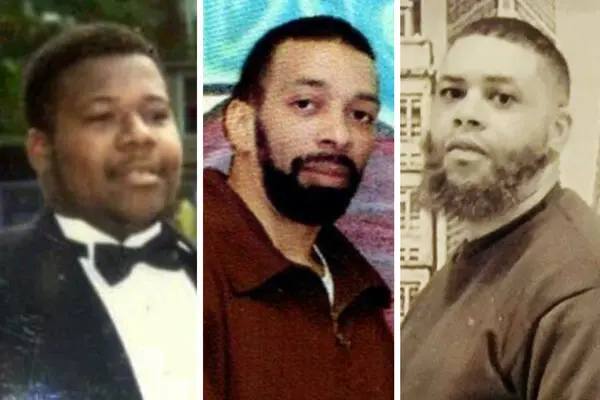
Samuel Grasty, Derrick Chappell, and Morton Johnson (Image: Courtesy of the families)
Although President Abraham Lincoln issued a proclamation in 1863 declaring “that all persons held as slaves” in rebellious areas “are, and henceforward shall be free,” approximately 250,000 Black people in Galveston, Texas, remained enslaved until June 19, 1865, when they were finally informed of their freedom.
Nearly 160 years following what is now known as Juneteenth, we continue to see freedom similarly delayed for wrongly convicted people trapped by a broken criminal legal system that bears traces of slavery, especially in the case of Morton Johnson in Pennsylvania.
This past March, Mr. Johnson’s murder conviction was vacated by Delaware County Common Pleas Judge Mary Alice Brennan. Despite her ruling that the conviction is no longer valid, Mr. Johnson remains in prison awaiting freedom as Delaware County District Attorney Jack Stollsteimer announced that he would appeal Judge Brennan’s decision.
Mr. Johnson, his cousin Sam Grasty, and their friend Derrick Chappell, all of whom are Black, have already spent more than half their lives in prison for the 1997 murder of 70-year-old Henrietta Nickens in Chester, Pennsylvania. Dubbed the “Chester Trio” by local media, they were all wrongfully convicted despite some DNA evidence excluding them even before their trials even began.
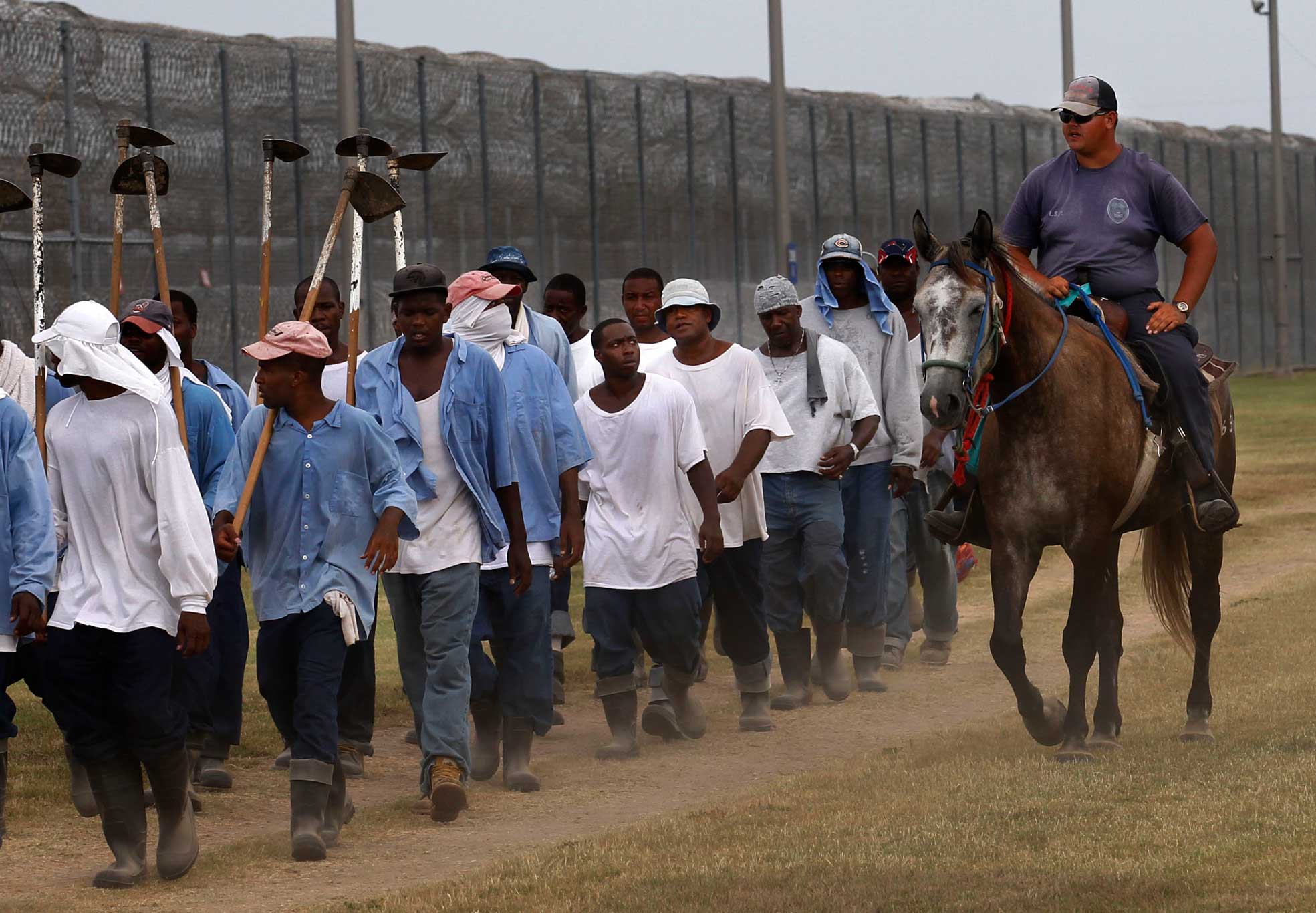
According to Ngozi Ndulue, Innocence Project’s special advisor on race and wrongful conviction, the way in which the criminal legal system has handled Mr. Johnson’s case amounts to “an expression of justice delayed.” This disparity and injustice disproportionately holds true for Black people, who are seven and a half times more likely to be wrongly convicted for murder than white people and 80% more likely to be innocent than other convicted murderers. On average, the exoneration of Black people wrongfully convicted of murder takes three years longer than that of white murder exonerees. Moreover, in Delaware County, Black people make up just 23% of the population but, as of 2019, represented more than half of the county prison population.
Ms. Ndulue believes Mr. Johnson’s case represents “a striking example” of the ways the criminal legal system “allows and justifies” delays in liberation.
She urges Delaware County to learn from the 2022 posthumous exoneration of Alexander McClay Williams and fast–track justice for Mr. Johnson.
In 1931, Mr. Williams became the youngest person in Pennsylvania’s history to be executed at the age of 16. His murder conviction was the result of a coerced confession and prosecutors deliberately ignoring exculpatory evidence — both leading contributors to wrongful conviction.
It took nearly a century for Mr. Williams’ conviction to be overturned and the district attorney to dismiss the charges.
“We’re seeing Delaware County having an opportunity to act now with Morton Johnson, who is alive and could be out and free, and instead, he’s still behind bars despite the fact that his conviction has been vacated,” Ms. Ndulue said. “This question is really, when we have this clear miscarriage of justice, how quickly are we going to act to remedy it, and what is lost in the intervening years?”
In a recent column for the Delaware County Daily Times, Dr. Samuel Lemon, a Quaker activist and author who fought for Mr. Williams’ posthumous exoneration, further argued that the Chester Three’s case “is emblematic of countless others in America, in a criminal justice system verifiably skewed by race, socioeconomics and intellectual ability.”
“Too often, punishments meted out do not reflect justice, effectively resulting in ‘perpetual servitude,’” Dr. Lemon wrote.
At the time of their conviction, Mr. Johnson, Mr. Grasty, and Mr. Chappell were between 15 and 20 years old. They have collectively spent 75 years in prison and missed out on their entire young adulthood, in a case reminiscent of the Central Park Five’s in 1989.
For this very reason, Juneteenth’s message of “never giving up hope in uncertain times,” as the National Museum of African American History & Culture succinctly puts it, resonates especially strongly in Mr. Johnson’s case.
“Even though he was sentenced to spend the rest of his natural life in prison, Mr. Johnson has never given up hope. He shouldn’t have to endure another day of imprisonment for a conviction a court has ruled is no longer valid,” said Vanessa Potkin, Innocence Project’s director of special litigation and Mr. Johnson’s attorney.
Leave a Reply
Thank you for visiting us. You can learn more about how we consider cases here. Please avoid sharing any personal information in the comments below and join us in making this a hate-speech free and safe space for everyone.
May 10, 2025 at 1:59 pm
I just read the story of this case in John Grisham’s book, “Framed.” I searched for an update on the internet and was elated by the Judge’s verdict but can not believe these men are still not free.