- “One
- in
- four people
- exonerated since 1989
- were wrongfully convicted based on false or misleading forensic evidence introduced at their trials.
- Hundreds
- if not thousands
- of innocent people
- may currently be incarcerated despite a modern consensus that the central piece of evidence at their trials lacked any scientific basis.”
What to Know About Charles McCrory — An Innocent Man Who’s Spent More Than 40 Years in an Alabama Prison
Mr. McCrory was convicted based on “bite marks,” which the expert who testified has since said are not “bite marks” and should never have been introduced at trial.
News 02.17.22 By Innocence Staff
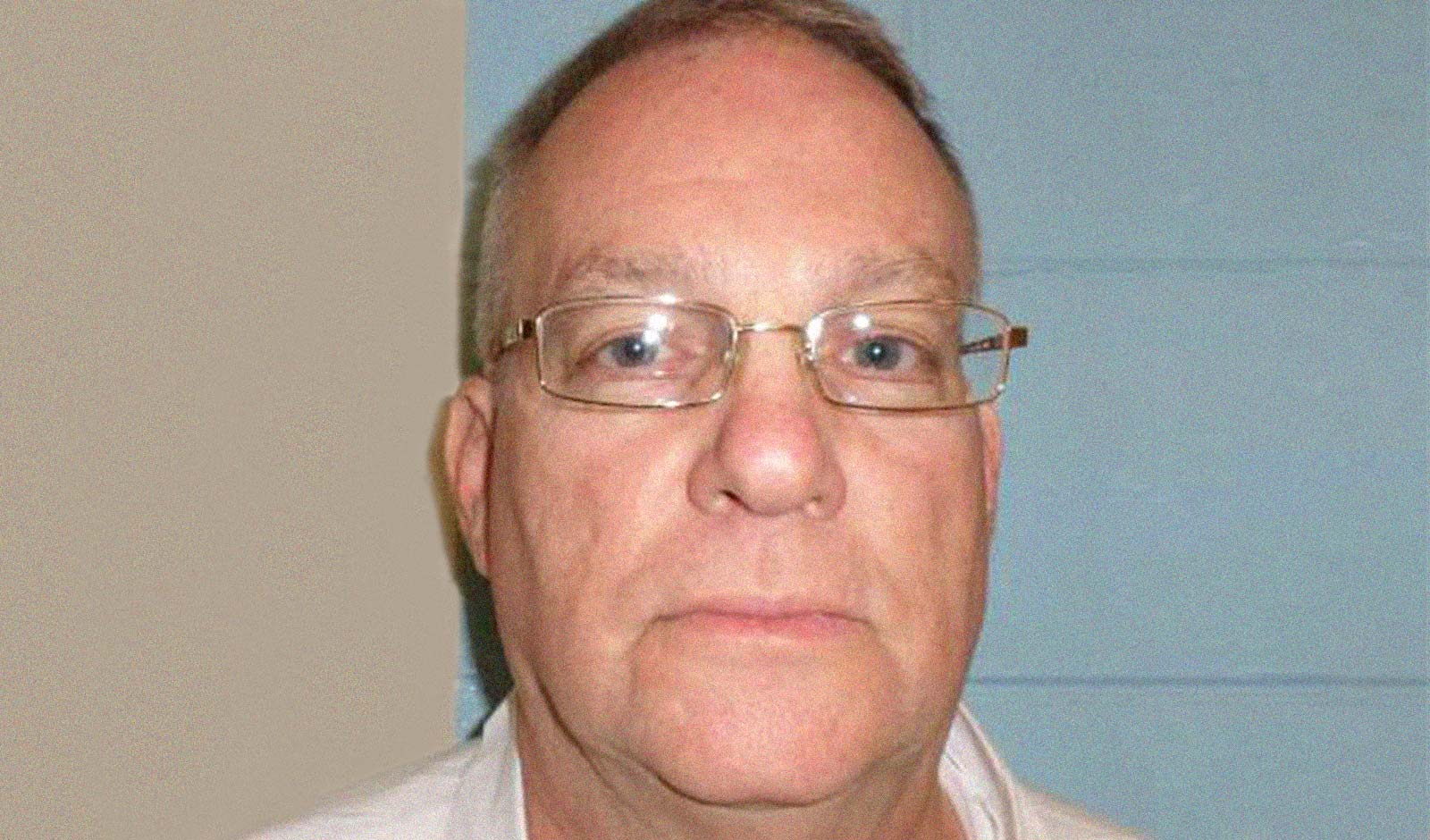
Charles McCrory. (Image: Alabama Department of Corrections)
UPDATED: August 18, 2026
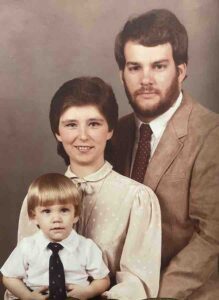
Charles McCrory with his wife Julie Bonds, and their son Chad. (Image: Courtesy of the McCrory family)
In 1985, Charles McCrory was wrongly convicted of the murder of his wife, Julie Bonds, in Andalusia, Alabama. Mr. McCrory only became a suspect because he and Ms. Bonds were separating. However, the separation was amicable, the couple continued to share meals and raise their son Chad together, who was 2 at the time of the murder. Mr. McCrory, volunteered to talk with detectives, consented to searches of himself, his car, and his home without hesitation. Despite the bloody crime scene, the search yielded no evidence tying him to the crime. No blood, no foreign hairs, and no wounds from a struggle.
Lacking any physical evidence or eyewitnesses, the Covington County District Attorney did not prosecute the case against Mr. McCrory. Instead, Ms. Bonds’ family hired private attorneys — Frank Tipler and his son Harvey Tipler — to prosecute the case, believing that the local county prosecutors were insufficiently invested in Mr. McCrory’s guilt. This is a rare occurrence but permitted under Alabama law. (Harvey has since been disbarred and convicted of solicitation of murder. He died in a Florida prison while serving a 35-year prison sentence.)
The Tiplers decided an injury on Ms. Bonds’ body looked like a bite mark. They sent photos of this injury to a forensic dentist who matched Mr. McCrory’s teeth to the supposed bite mark, which became the key evidence used to convict Mr. McCrory. Today, “bite mark” evidence is widely understood to be unscientific evidence and its use has led to at least 40 known wrongful convictions.
Mr. McCrory has continued to fight for justice for decades.
On Feb. 14, 2022, Alabama’s Circuit Court of Covington County denied Mr. McCrory’s petition seeking relief based on new evidence that proves his innocence. Most recently, the U.S. Supreme Court declined to review Mr. McCrory’s case on July 2, 2024.
However, Justice Sonia Sotomayor issued a lengthy response, outlining the hurdles of overturning convictions that rest on forensic evidence that is later discredited. While she decided that Mr. McCrory’s arguments were not yet ripe for SCOTUS review, she emphasized the harmful impact that junk science has had:
Here’s what you need to know about Mr. McCrory’s case.
1. The only evidence that connected Mr. McCrory to the crime were alleged “bite marks” on Ms. Bonds’ body. Dr. Richard Souviron, who testified at trial that Mr. McCrory’s teeth “matched” the marks, has since recanted that testimony.
At Mr. McCrory’s 2021 evidentiary hearing, Dr. Souviron’s affidavit recanting his testimony was admitted and an independent expert testified that Ms. Bonds’ injuries were not bite marks. At the time of the trial, there were no known wrongful convictions attributable to the use of bite mark evidence. Today, bite mark analysis — a discredited forensic method — has contributed to at least 42 documented wrongful convictions and indictments in the U.S. — including Jimmie “Chris” Duncan in Louisiana and Robert Lyons in Oregon, whose convictions were vacated this past June. Nearly all of these bite mark-related wrongful convictions occurred during the era of Mr. McCrory’s trial.
Without the alleged bite marks, Mr. McCrory would not have been convicted.
2. Mr. McCrory has always maintained his innocence over the past 40 years. He had no previous history of violence or criminal record.
The day he found his wife murdered, he fully cooperated with police and consented to a search of his own body, home, and vehicle. Despite the brutal nature of Ms. Bonds’ murder, no evidence was found that pointed to Mr. McCrory.
He consistently explained his whereabouts at the time of the murder and testified on his own behalf at trial. At the time of the incident, Mr. McCrory was a loving father and Information Technology consultant, who had earned a college degree and served as a volunteer Emergency Medical Technician. His son, now an adult, fully supports his father’s innocence.
3. No physical evidence connects Mr. McCrory to the crime.
Ms. Bonds was found with hair clutched in her hand — presumably pulled from the attacker’s head during the violent struggle. Those hairs were conclusively determined not to belong to Mr. McCrory or Ms. Bonds.
No other evidence at trial was presented that connected Mr. McCrory to killing his own wife — not an eyewitness, not a confession, not forensic evidence.
At trial, the Tiplers relied on testimony stating that a car that looked like Mr. McCrory’s may have been near the crime scene. However, evidence from Mr. McCrory’s 2021 evidentiary hearing demonstrated that the witness said he was not sure of the date he saw the vehicle he described as similar to Mr. McCory’s. Additionally, it would have been nearly impossible to have observed any vehicle from the witness’ vantage point.
At this hearing, Mr. McCrory attorneys also demonstrated that none of the other evidence presented against Mr. McCrory at his original trial pointed to his involvement in the crime. In response, the current district attorney presented no new evidence and instead re-read the original trial testimony.
4. Key evidence that could have exonerated Mr. McCrory was destroyed.
A red bandana was found at the crime scene; however, it has since been destroyed and cannot be DNA tested. The absence of this key evidence makes justice for Mr. McCrory extremely challenging, especially because, in this case, the State used the lack of DNA evidence against him.
Notably, the red bandana resembled one worn by a man named Alton Ainsworth, who worked at a construction site next door to Ms. Bonds home. Five weeks after Ms. Bonds’ murder, Mr. Ainsworth committed a similar home invasion and rape for which he was convicted and was sentenced to 20 years in prison. He has never been investigated for Ms. Bonds’ murder despite the similar nature of the crime and the red bandana found at the scene.
5. In April 2021, the current district attorney offered Mr. McCrory a time-served plea deal, but he refused it.
Moments before Mr. McCrory’s 2021 evidentiary hearing was set to take place, the district attorney offered him a “time served” plea deal. However, Mr. McCrory turned the offer down, refusing to admit guilt for something he didn’t do.
Although Mr. McCrory declined the offer, many innocent people are pressured into pleading guilty to crimes they didn’t commit to avoid harsher punishments or to regain their freedom.
6. At his evidentiary hearing in April 2021, the prosecution did not respond to any of the new evidence pointing to Mr. McCrory’s innocence.
At the evidentiary hearing before Judge Short in Andalusia, Alabama, in April 2021, in addition to expert testimony debunking the bite mark “evidence” against Mr. McCrory, his attorneys also demonstrated why none of the other evidence presented against him at trial pointed to his involvement in the crime. In response, the current district attorney re-read the original trial testimony and had no response to the new evidence pointing to Mr. McCrory’s innocence.
7. The court took nearly a year to write its opinion — only to simply sign the prosecutors’ proposed findings of fact against Mr. McCrory, a practice known as “rubber stamping.”
The court issued a decision in Mr. McCrory’s case on Feb. 14, 2022 — nearly a year after his evidentiary hearing, which sought a new trial.
In this decision, however, the judge simply signed a short set of proposed findings written by the prosecutors, rather than acting as an independent fact-finder.
Though experts at the hearing unanimously testified that the injuries were not bite marks, the court signed a decision saying that any lay juror could have reliably matched Mr. McCrory’s teeth to the injuries on Ms. Bonds themselves. In other words, the judge ruled that jurors are capable of doing what the scientific experts have agreed is impossible: identify bite marks and “match” them to teeth.
Act now by sharing Mr. McCrory’s story.
Share on Twitter and Facebook so everyone knows Mr. McCrory’s story.
Leave a Reply
Thank you for visiting us. You can learn more about how we consider cases here. Please avoid sharing any personal information in the comments below and join us in making this a hate-speech free and safe space for everyone.
February 24, 2022 at 9:19 pm
February 24, 2022 at 8:37 am
If there is no real evidence to charge him for his wife’s death he should be set free. Sister Ellen Poist
This is not right!