Speakers Bureau
We connect wrongful conviction experts with schools, universities, companies, and organizations worldwide. Our incredible roster of speakers includes both staff experts and individuals who have firsthand experience with wrongful convictions.
Hear real stories, learn about systemic issues that lead to wrongful convictions, and amplify the innocence movement to help prevent future injustices.
Want to book a speaker? Please fill out our online form. We can’t wait to work together!
Featured Speaker
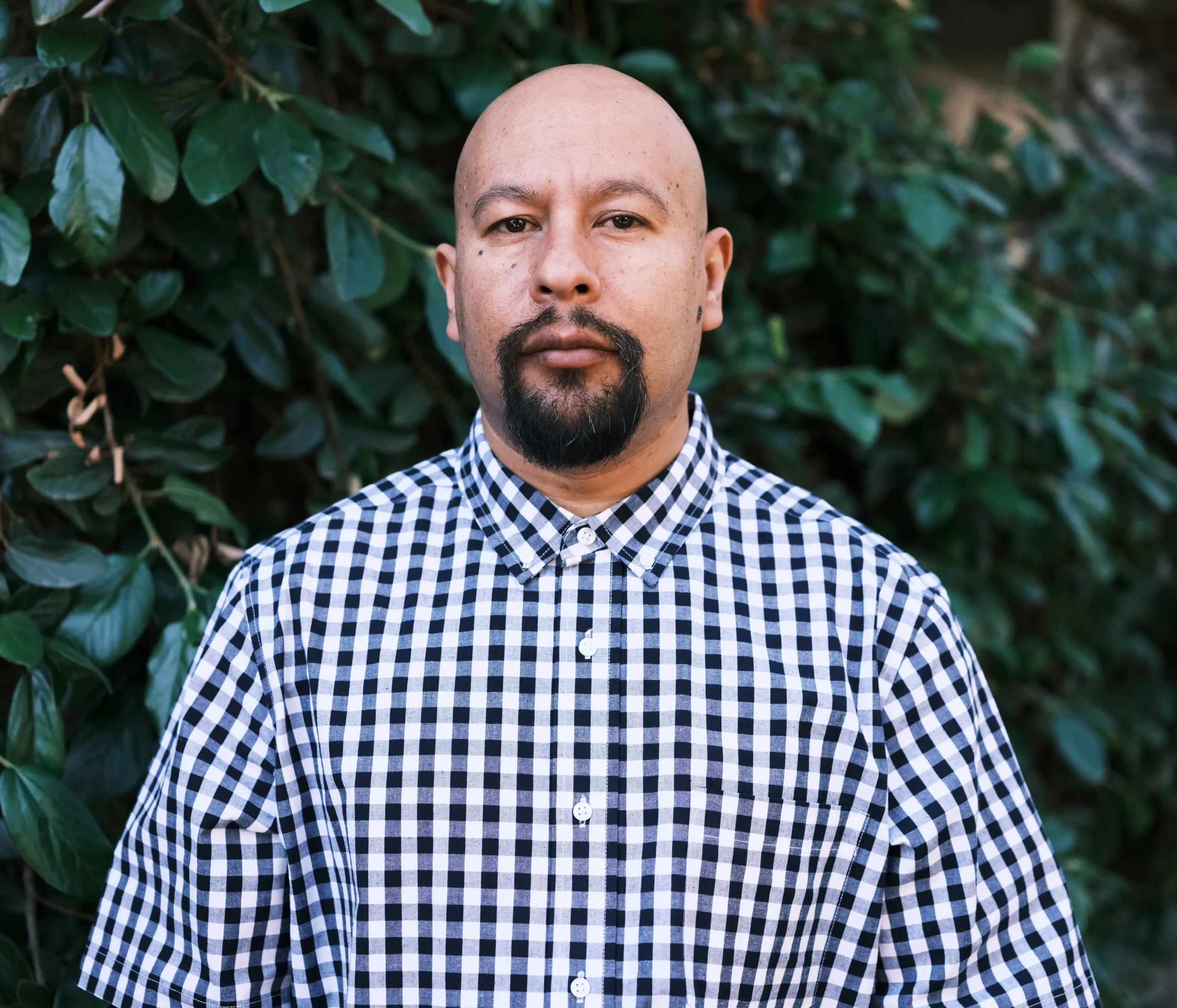
Angel Gonzalez
In 2015, Angel Gonzalez was exonerated after serving over 20 years in prison for a rape that he did not commit in Illinois. He is a member of the Innocence Project's Exoneree Advisory Council.
Angel Gonzalez
topics:
Coerced pleas, Eyewitness misidentification
state:
Illinois
Time Wrongfully Served:
20 years
My Story
On March 10, 2015, Angel Gonzalez was exonerated after serving over 20 years in prison for a rape that he did not commit.
In 1994, Mr. Gonzalez was misidentified as the attacker when police used a highly unreliable and suggestive identification procedure. After he was arrested, he was misled by police into signing a false confession. Despite having four alibi witnesses testify in his defense in court, Mr. Gonzalez was wrongly convicted of aggravated sexual assault and aggravated kidnapping and was sentenced to 40 years in prison.
Although Mr. Gonzalez maintained his innocence from the beginning, it wasn’t until 2013 that he was finally able to prove his innocence through DNA testing. Today, he is a member of the Innocence Project’s Exoneree Advisory Council.
“I like to share my story because I was in hell, and the Innocence Project saved me from that hell. Unfortunately, others still are going through that hell, and they need help — together, we can get them out of that nightmare.”
Featured Speaker
Carlos Sanchez
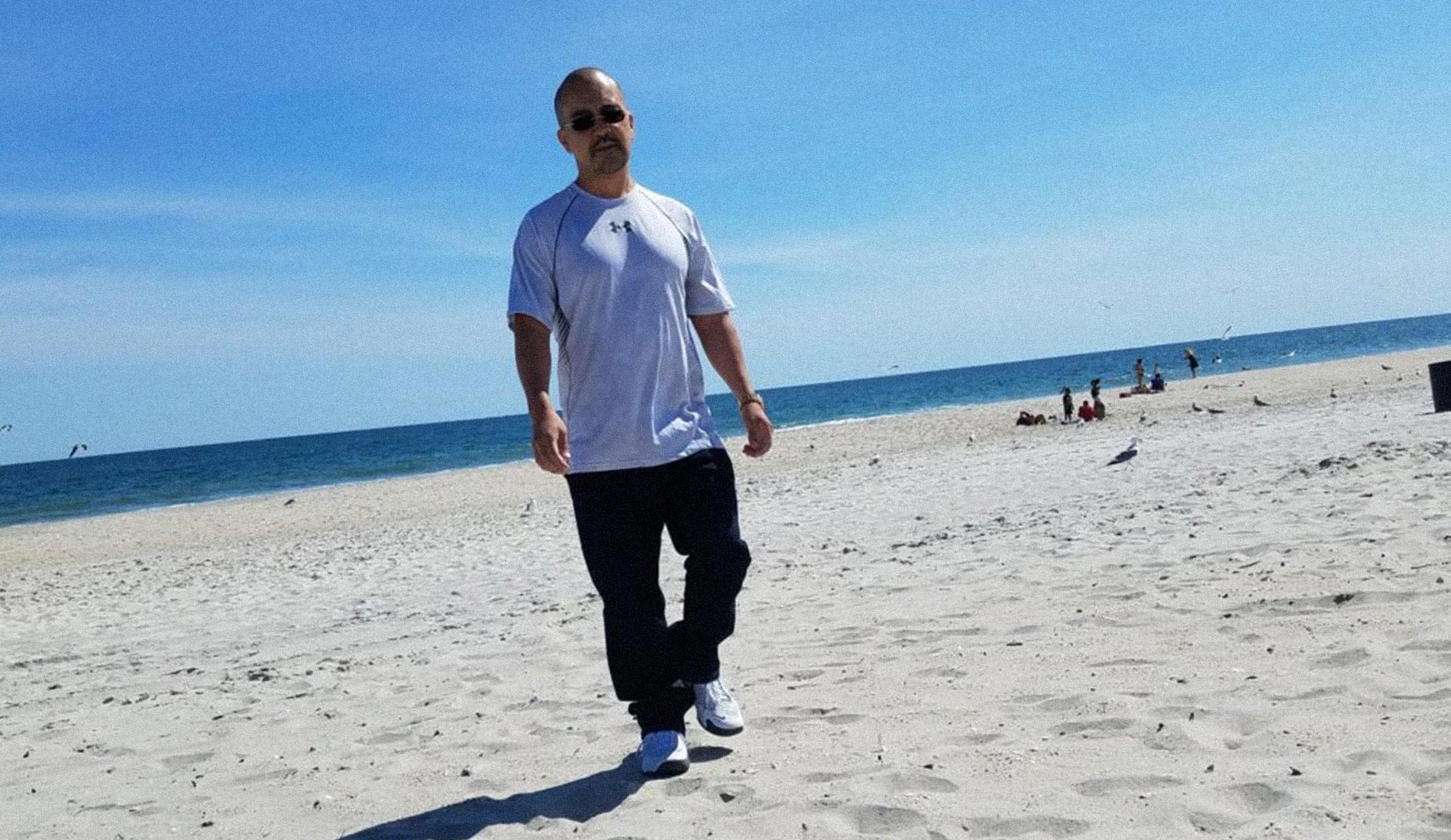
In 2017, Carlos Sanchez was released after spending nearly 25 years — more than half of his life — in prison for a murder he maintains he did not commit in New York.
Carlos Sanchez
topics:
Coerced pleas
state:
New York
Time Wrongfully Served:
25 years
In May 2017, Carlos Sanchez was released after spending nearly 25 years — more than half of his life — in prison for a murder he maintains he did not commit.
Mr. Sanchez was only 17, when, after an eight-hour interrogation by police without a lawyer or guardian present, he signed a confession taking responsibility for the 1992 murder of his girlfriend. The confession was the only evidence linking him to the crime, and it was obtained under conditions now known to be associated with false confessions. The statement was also at odds with physical evidence collected in the case.
In January 2017, Mr. Sanchez was granted parole. He is still fighting to prove his innocence.
“Unpacking our experiences through hardship and trauma is part of healing. I share my story out loud and in public in order to do this unpacking on a continuous basis. In doing so, I can also be an example to others not to fear doing such self-reflections.”
Featured Speaker
Eddie Lowery
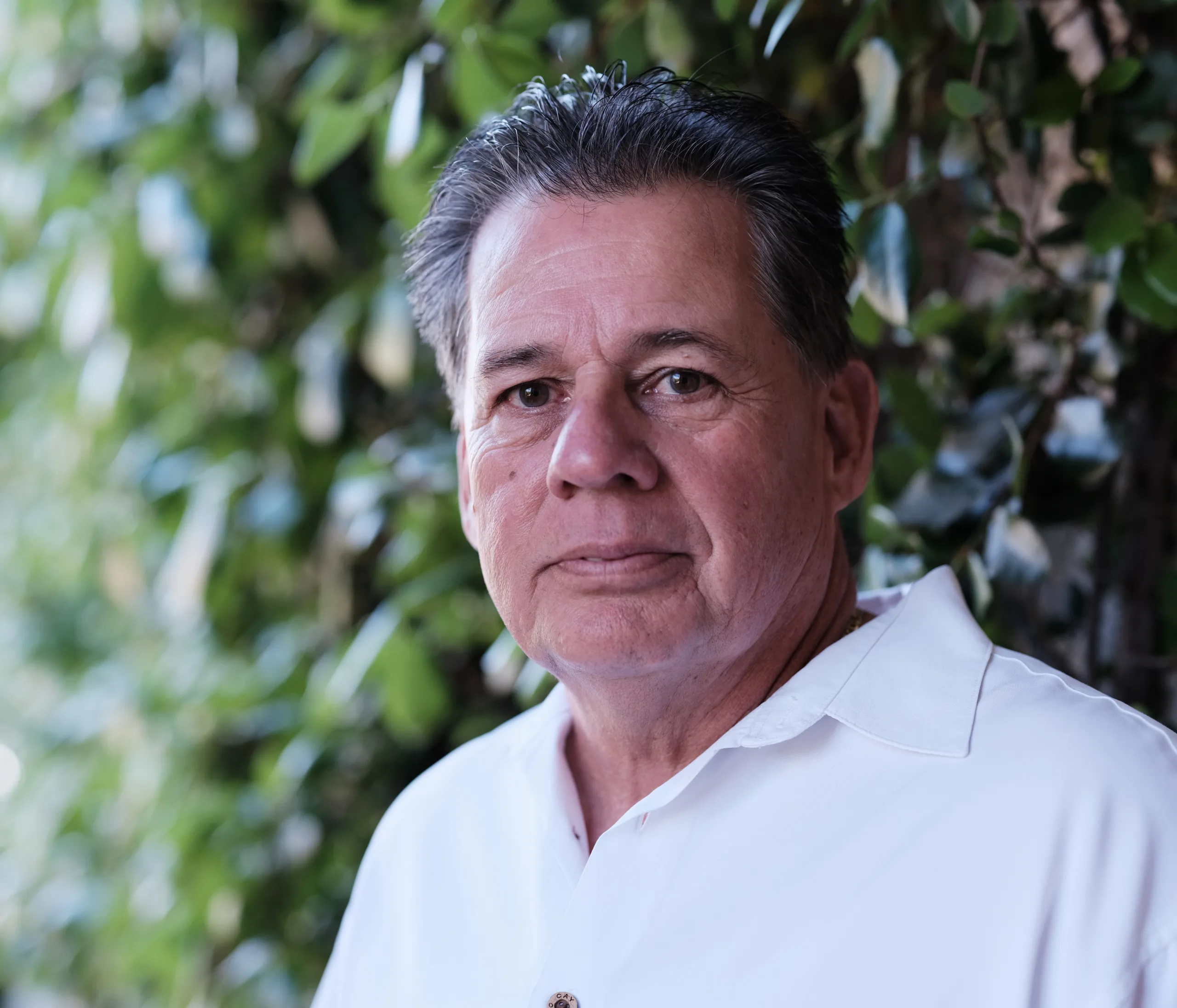
In 2003, Eddie Lowery had his conviction vacated and his case dismissed after spending nine years in prison for a rape he did not commit in California.
Eddie Lowery
topics:
Coerced pleas, DNA
state:
California
Time Wrongfully Served:
9 years
On April 3, 2003, Eddie Lowery had his conviction vacated and his case dismissed after spending nine years in prison for a rape he did not commit.
In July 1981, a 74-year-old woman was attacked while sleeping in her home in Ogden, Kansas. Mr. Lowery was brought in for questioning and was interrogated all day without food so that police could procure a confession. Although he later recanted the statements, he was wrongly convicted in 1982 based on the confession and the misapplication of forensic science.
In 2002, Mr. Lowery was able to procure DNA testing on the biological evidence, and in September of that year, DNA test results confirmed his claim of innocence.
“After being wrongfully convicted. I feel it is my responsibility to inform the public about wrongful convictions. The injustice of wrongful convictions still surprises the public on how this could happen to an innocent person.”
Featured Speaker
Huwe Burton
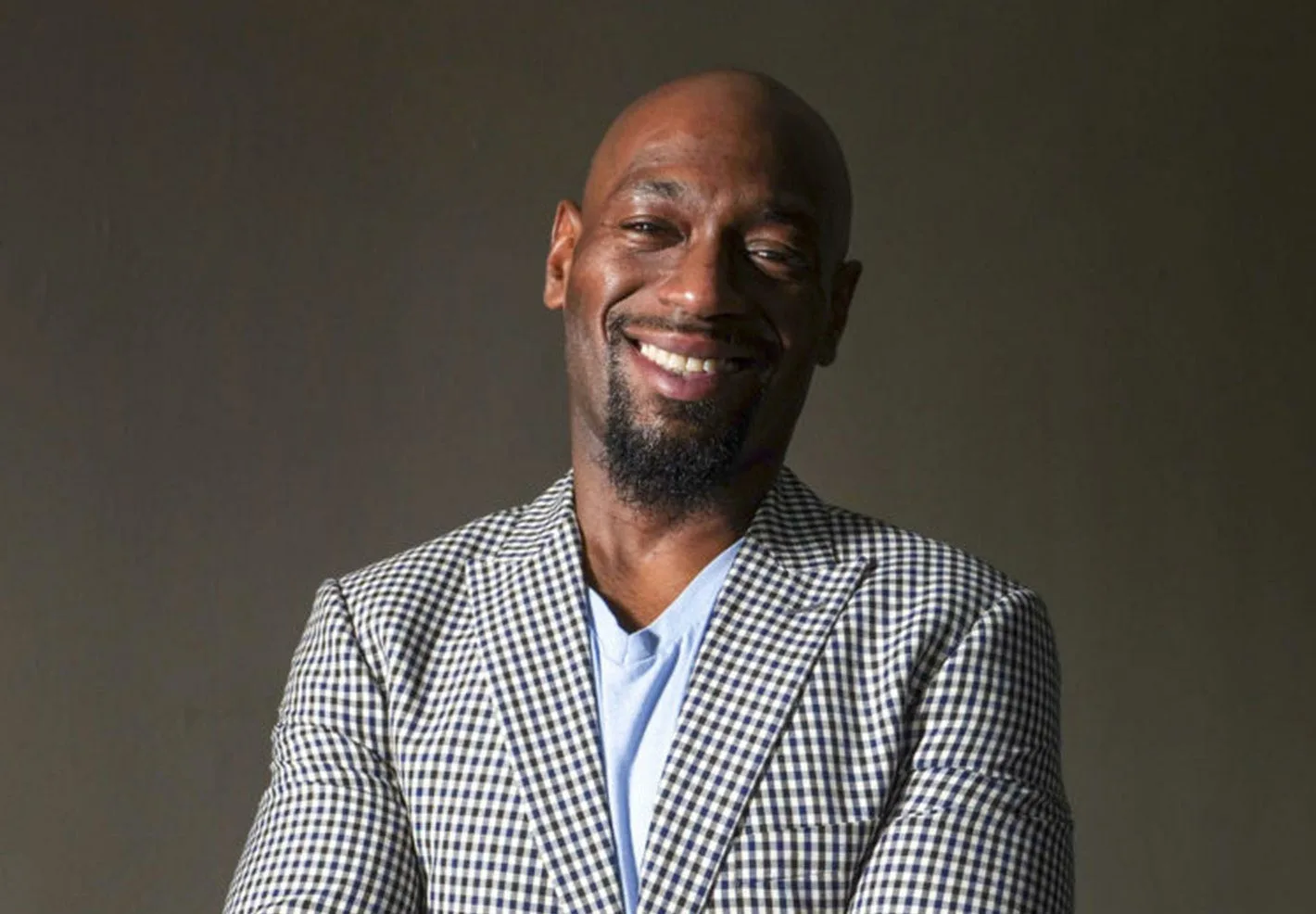
Huwe Burton was exonerated in 2019 of a murder he did not commit in New York.
Huwe Burton
topics:
Coerced pleas, Race
state:
North Carolina
Time Wrongfully Served:
19 years
On Jan. 24, 2019, Huwe Burton, who spent 19 years in prison for a murder he did not commit, was exonerated.
At 16 years old, Mr. Burton was convicted of the 1989 murder of his mother, who had been found stabbed to death in their New York City home. His conviction was largely based on a false confession that had been coerced by detectives.
A joint reinvestigation between the Innocence Project and the Bronx District Attorney’s Conviction Integrity Unit uncovered that detectives from New York’s 47th precinct had coerced Mr. Burton into falsely confessing. Furthermore, additional new evidence surfaced about an alternate person who committed the crime. Ultimately, Mr. Burton carried his wrongful conviction for nearly 28 years before he was exonerated.
“After being falsely arrested and convicted, I realized my strongest weapon is my voice. I would like to use it to enlighten, inspire, and ultimately change our fractured criminal justice system.”
Featured Speaker
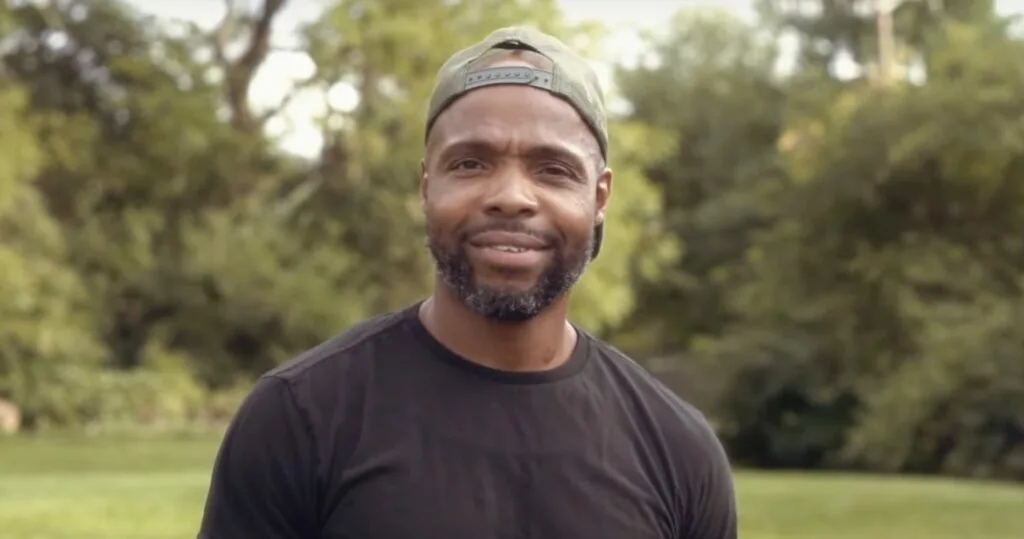
Termaine Hicks
Termaine Hicks was exonerated in 2020 of a rape he did not commit in Pennsylvania. He is a member of the Innocence Project's Exoneree Advisory Council.
Termaine Hicks
topics:
DNA, Eyewitness misidentification, False Confessions
state:
Pennsylvania
Time Wrongfully Served:
19 years
My Story
On Dec. 16, 2020, Termaine Hicks was freed from a Pennsylvania prison after his wrongful conviction for a 2001 rape was vacated.
In 2001, Mr. Hicks was walking home when he heard a woman screaming. He found her badly beaten and attempted to call 911 when the police arrived and mistook him for the attacker. Officers shot him three times in the back before they realized their mistake. They then conspired to cover it up and falsely testified that Mr. Hicks had lunged at them with a gun. Based on this testimony, Mr. Hicks was convicted in 2002 of rape, aggravated assault, possessing an instrument of crime, and terroristic threats.
In 2015, Mr. Hicks filed a petition for post-conviction DNA testing on the evidence. Separately, in 2018, his attorneys filed a petition for post-conviction relief, stating that pathology reports and other evidence revealed that he had been shot from behind three times. Two years later, the district attorney’s conviction integrity unit asked a court to vacate Mr. Hicks’ conviction.
Mr. Hicks, an aspiring playwright, is now a member of the Innocence Project’s Exoneree Advisory Council.
“After being falsely imprisoned, I want to share my story of how I maintained through it all, to inspire others to keep going and highlight the need for justice reform and the importance of donating funds, resources, and one's time.”
Scenes From Our Speaking Engagements
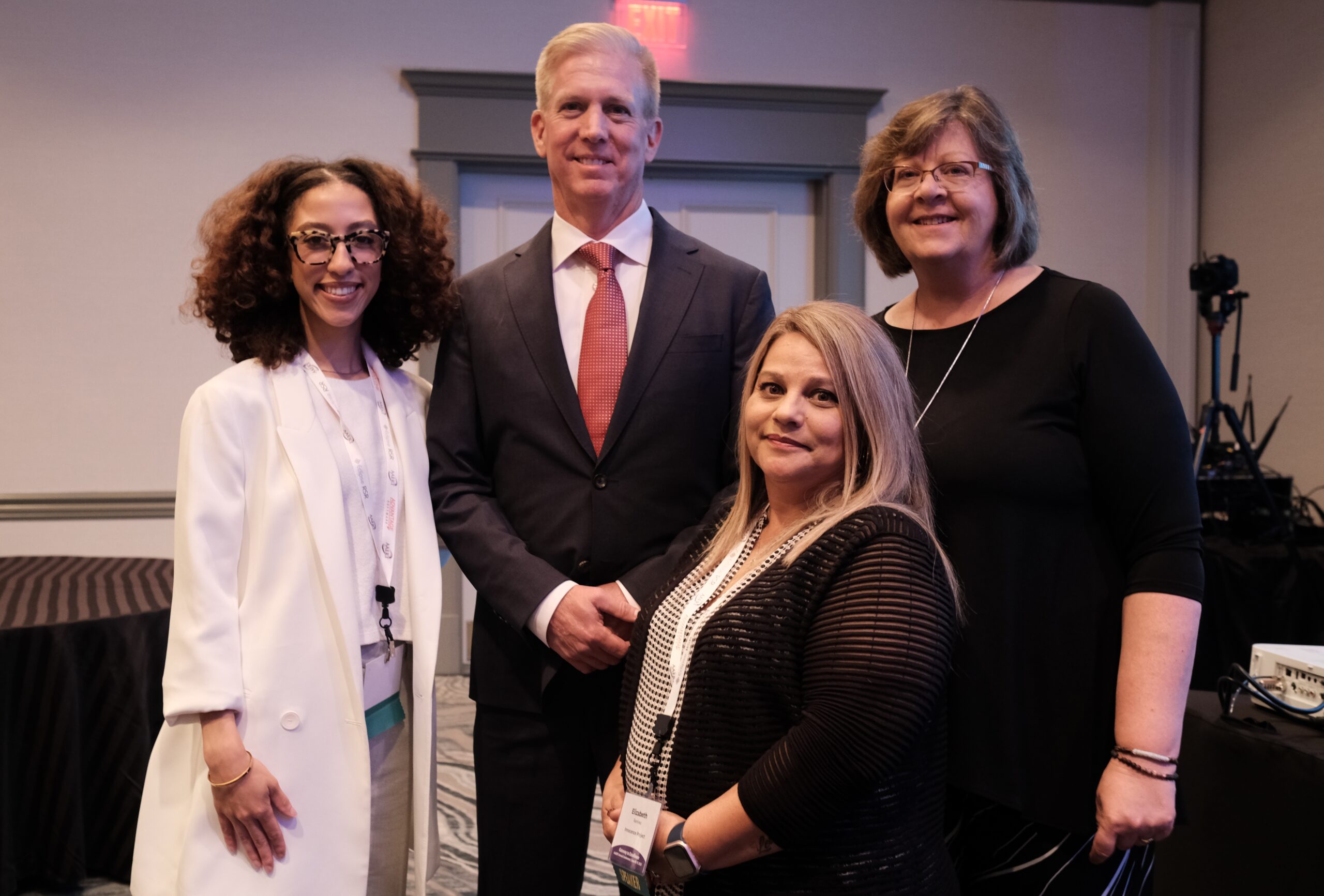
(Image: Kenny Karpov/Innocence Project)
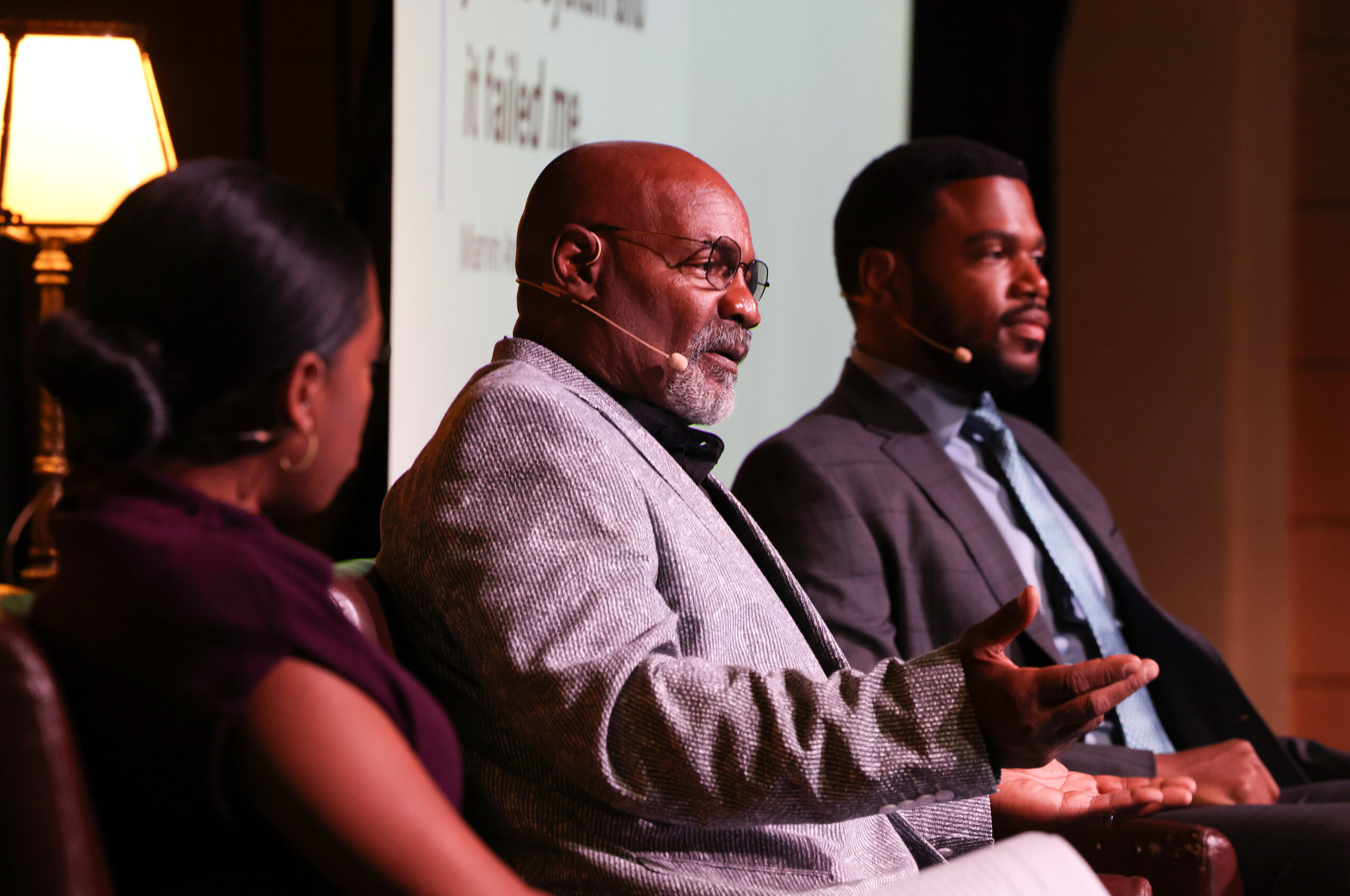
(Image: Courtesy of The Mob Museum)

(image: Courtesy of FileVine)
Adnan Sultan

topics:
DNA
Adnan Sultan
Adnan Sultan, a senior staff attorney at the Innocence Project, litigates post-conviction cases nationwide to secure DNA testing and overturn wrongful convictions. He also teaches in the Innocence Project clinic at Cardozo.
Prior to joining the Innocence Project, Adnan worked as a staff attorney at The Bronx Defenders for five where he represented thousands of clients charged with misdemeanors and felony crimes from arraignments to trial. In addition, he was a member of the Bronx Defenders’ Forensic Practice Group where he consulted with attorneys and conducted trainings on DNA evidence. Before working at the Bronx Defenders, Adnan was a Prettyman Fellow at Georgetown Law School, where he both represented clients charged with misdemeanor and felony crimes in D.C. Superior Court and supervised third-year law students in Georgetown’s Criminal Justice Clinic. He graduated from American University’s Washington College of Law.
Alicia Cepeda Maule
topics:
Death penalty
Alicia Cepeda Maule
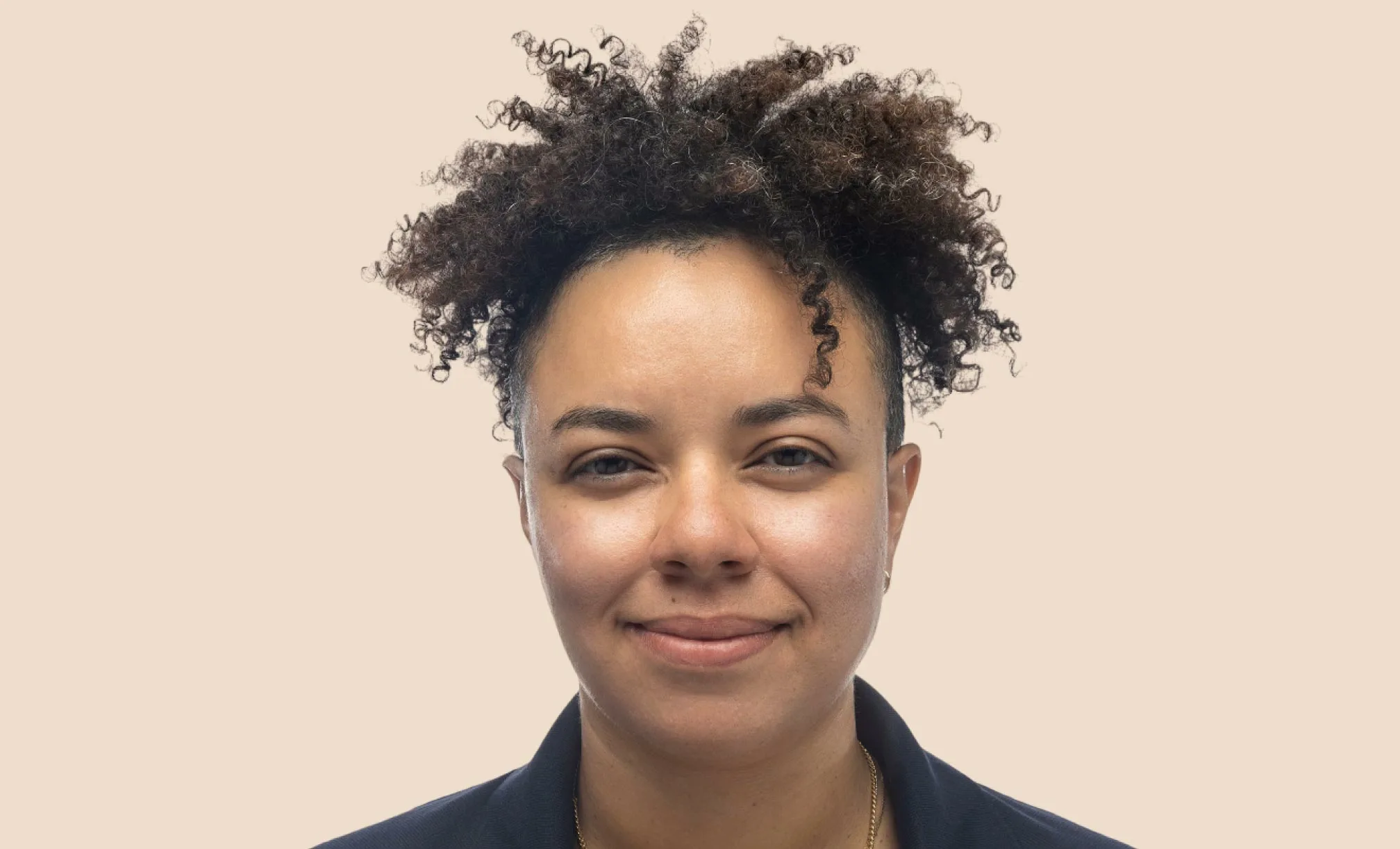
Alicia Cepeda Maule is the digital engagment director at the Innocence Project. In this role, she leads the organization in digital strategy and audience growth, revenue, and advocacy.
Alicia developed and led the digital strategy that helped stop the executions of Rodney Reed in Texas and Pervis Payne in Tennessee. She and her team have won more than 10 awards, including Webbys, Shortys, Tellys, the Clarence Jones Impact Award, and more. Prior to joining the Innocence Project, Alicia was a social media and community editor at msnbc.com and a digital organizer on President Barack Obama’s 2012 reelection campaign. Alicia graduated from Brown University in 2011 with a B.A. in Africana studies.
Christina Swarns
topics:
Death penalty, DNA, Policy, Race
Christina Swarns
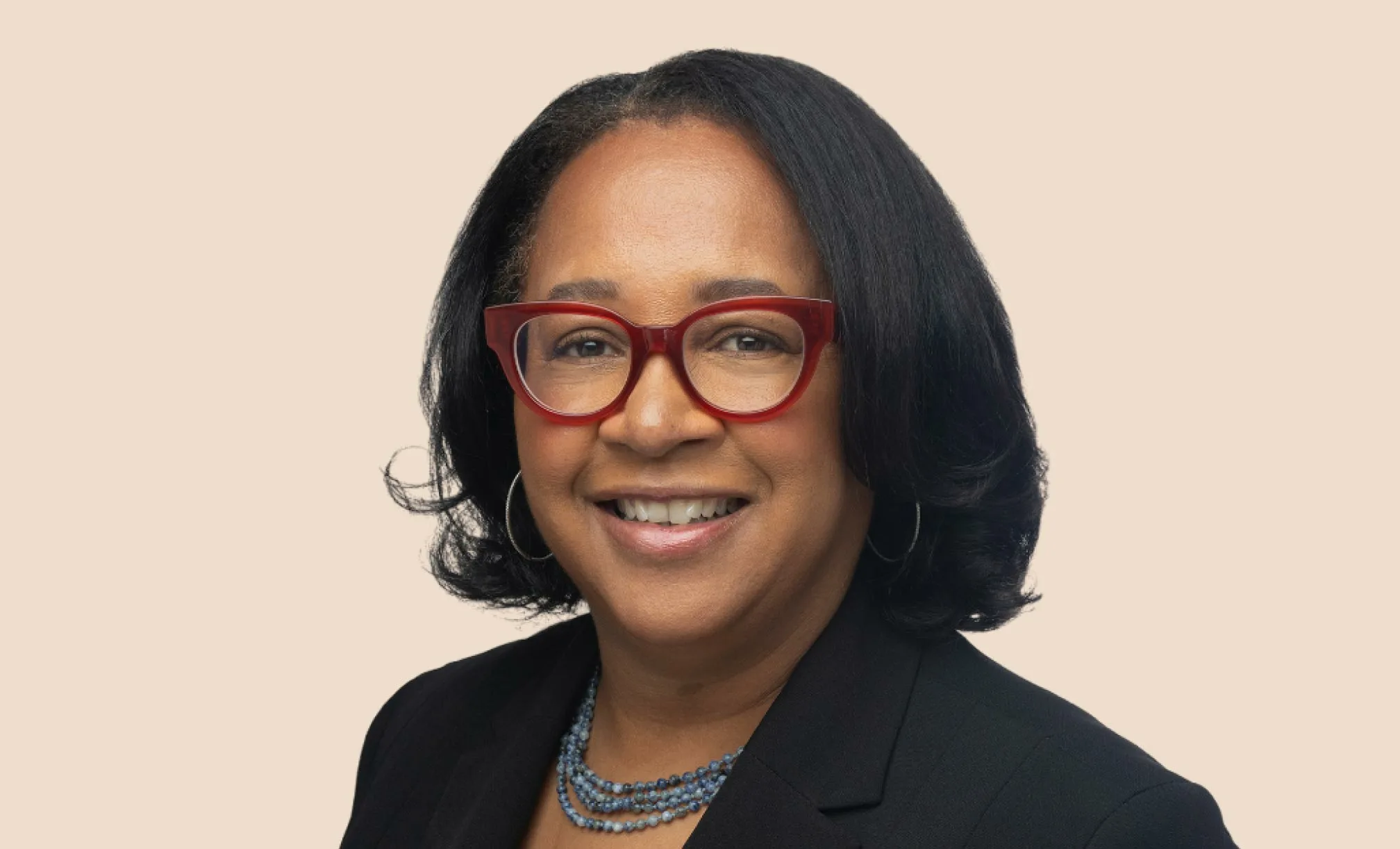
Christina Swarns is the executive director of the Innocence Project.
Prior to joining the Innocence Project, Christina served as the president and attorney-in-charge of the Office of the Appellate Defender, Inc., one of New York City’s oldest institutional providers of indigent appellate defense representation; as the litigation director for the NAACP Legal Defense & Educational Fund, Inc., America’s premier legal organization fighting for racial justice; as a supervising assistant federal defender in the capital habeas corpus unit of the Philadelphia Community Defender Office; and as a staff attorney for the Legal Aid Society’s Criminal Defense division in New York.
Christina argued, and won, Buck v. Davis, a challenge to the introduction of explicitly racially biased evidence in a Texas death penalty case, in the United States Supreme Court. Christina was the only Black woman to argue in the 2016 Supreme Court term, and is one of the few Black women to have argued before the nation’s highest court. Christina earned a J.D. from the University of Pennsylvania Law School and a B.A. from Howard University.
She previously served as the president and attorney-in-charge of the Office of the Appellate Defender, Inc. , one of New York City’s oldest institutional providers of indigent appellate defense representation; as the litigation director of the NAACP Legal Defense & Educational Fund, Inc., America’s premier legal organization fighting for racial justice; as a supervising assistant federal defender in the capital habeas corpus unit of the Philadelphia Community Defender Office; and as a staff attorney for the Legal Aid Society’s criminal defense division in New York. Christina argued, and won, Buck v. Davis, a challenge to the introduction of explicitly racially biased evidence in a Texas death penalty case, in the United States Supreme Court. Christina was the only Black woman to argue in the 2016 Supreme Court term, and is one of the few Black women to have argued before the nation’s highest court. Christina earned a J.D. from the University of Pennsylvania Law School and a B.A. from Howard University.
Justin Chan

topics:
Race
Justin Chan
Justin Chan is the Innocence Project’s editorial director, where he oversees the organization’s website and collaborates with the senior leadership team and programmatic staff on institutional messaging.
Justin joined the organization in 2021 and comes with more than a decade of experience in journalism, having written for Law.com, Mic, Forbes, HuffPost, Time Out New York, Entrepreneur.com, and Yahoo. His work frequently touches on issues impacting marginalized communities, including racism, immigration, and economic disparities. He holds a master’s degree in magazine journalism from Columbia Journalism School and a bachelor’s degree in political science and English from Macaulay Honors College. Justin also holds a certificate in digital marketing from Columbia Business School Executive Education. He previously volunteered at Reading Partners, a nonprofit organization dedicated to helping at-risk youth improve their literacy.

M. Chris Fabricant
Topics: Coerced pleasEyewitness misidentificationMisapplication of forensic science
M. Chris Fabricant
topics:
Coerced pleas, Eyewitness misidentification, Misapplication of forensic science
M. Chris Fabricant
Chris Fabricant is the director of strategic litigation (Joseph Flom Special Counsel) at the Innocence Project. In this role, he leads the Innocence Project’s strategic litigation department, whose attorneys develop and execute national litigation and public policy strategies to address the leading causes of wrongful conviction.
Chris is one of the United States’s leading experts on forensic sciences and scientific litigation. Prior to joining the Innocence Project, he was a longtime public defender and law professor. He frequently serves as a public speaker on law reform issues, and is widely published in both legal scholarship and in mainstream media. In his new book, Junk Science and the American Criminal Justice System, Chris examines the role that faulty scientific evidence has in continuing and strengthening an unjust and racial biased criminal legal system.
Robyn Trent Jefferson
topics:
DNA, Race
Robyn Trent Jefferson
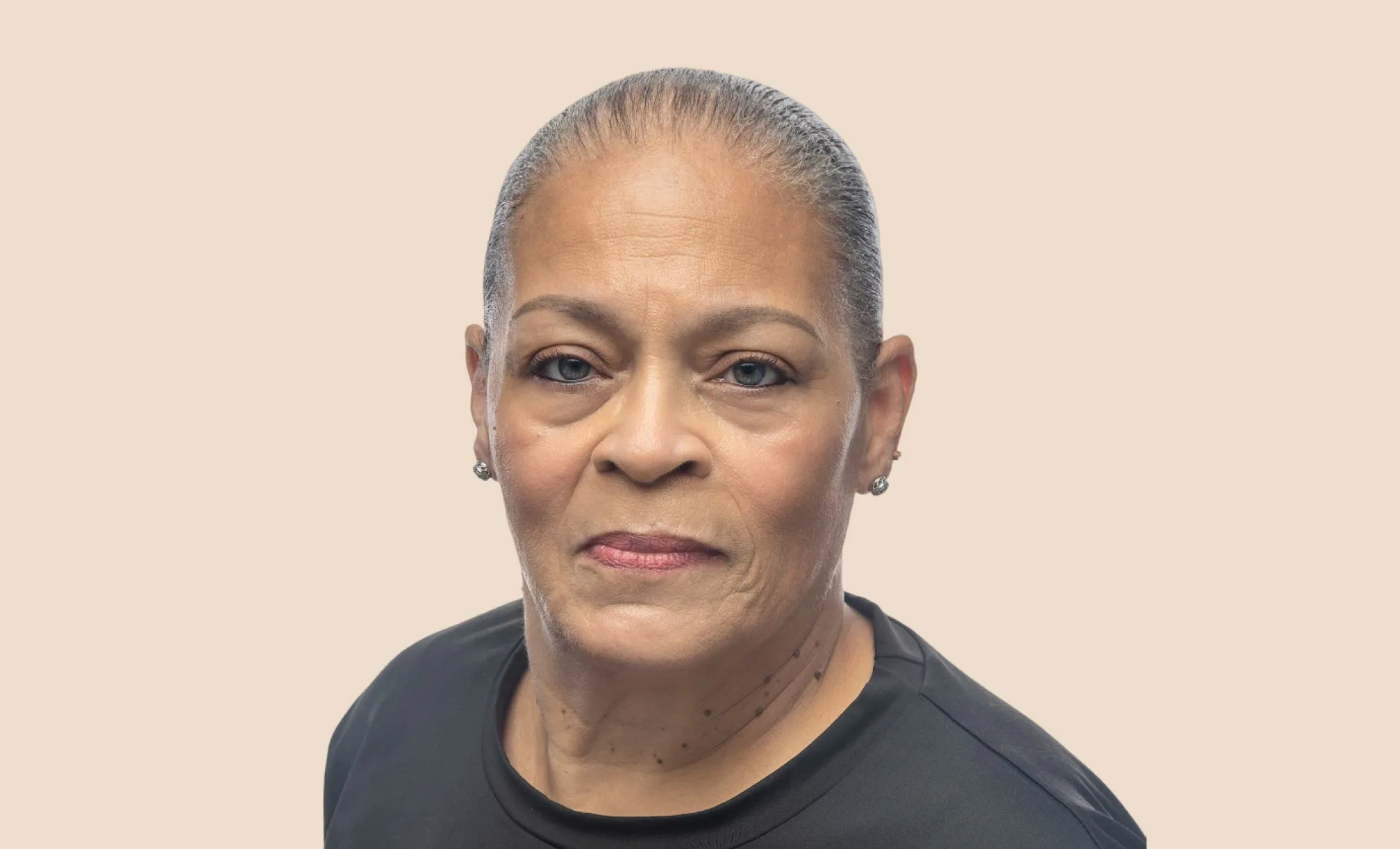
Robyn Trent Jefferson is a senior paralegal at the Innocence Project.
Prior to joining the Innocence Project, Robyn enjoyed a diverse career as a litigation and real estate paralegal for more than 34 years. A born advocate, she has always been passionate about effecting change for those who are and have been wronged and, in the last 10 years, has had more opportunities to dedicate more of her time in pursuit of much needed reform.

Simran Sohal
Topics:
Simran Sohal
Simran Sohal
Simran Sohal is a senior case analyst at the Innocence Project.
Simran returned to the organization after interning in the intake department the previous year. Graduating from Williams College in June 2020, she received a double B.A. in Psychology and English with a concentration in Justice and Law Studies. While at Williams, Simran conducted independent research on the relationship between procedural justice and jury nullification. Outside of the academic sphere, she volunteered as a responder to a hotline service for survivors of sexual violence and their allies and organized initiatives to prevent future instances of such harm.
Stacey Anderson

topics:
DNA, Policy
Stacey Anderson
Stacey Anderson is the legal policy analyst with the Innocence Project. In this role, she is responsible for legal research to support advocacy campaigns across the country, including 50-state comparisons of key provisions in criminal justice statutes and case law.
Prior to joining the Innocence Project, Stacey was a Marciano Legal Fellow with the Rape, Abuse, & Incest National Network, where she did legal research and legislation drafting focused on sexual violence response, Title IX, and constitutional law. Stacey is a proud graduate of Northeastern University, in Boston, and earned her J.D. from Widener University Delaware Law School. While in law school, Stacey served as the Mid-Atlantic Regional Chair of the National Black Law Students Association. Stacey is passionate about the Innocence Project’s mission and believes public policy is the root to manifest change.
Tebah Browne
topics:
DNA, Misapplication of forensic science, Policy, Race
Tebah Browne
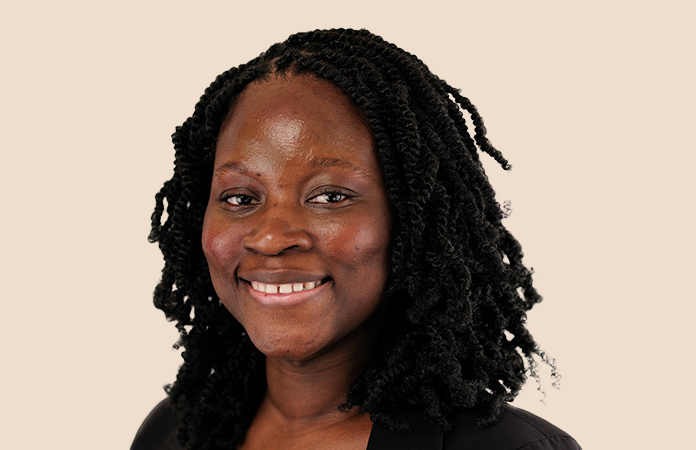
Tebah Browne is the forensic science policy specialist for the Innocence Project. In this role, she assists the policy department with policy work that focuses on the reliability, validity, and regulation of forensic science techniques and technology.
Prior to joining the Innocence Project, Tebah worked at the Legal Aid Society in its DNA unit as the in-house scientist and DNA analyst. Tebah graduated from John Jay College with B.S. and M.S. degrees in forensic science, with concentrations in molecular biology and toxicology. Tebah is currently pursuing a PhD in forensic investigative sciences at Oklahoma State University, where her dissertation focuses on the implementation, regulation, and education of forensic science in developing nations.
Vanessa Meterko

topics:
Cognitive bias, DNA
Vanessa Meterko
Vanessa Meterko is the research manager at the Innocence Project.
Prior to joining the Innocence Project, Vanessa conducted research and published on a variety of topics, including health care, subtle discrimination, and wrongful convictions. She also served as an advocate for survivors of intimate partner violence and sexual abuse in New York City. She earned her M.A. in forensic psychology from John Jay College of Criminal Justice.
Vanessa Potkin
topics:
Death penalty, DNA
Vanessa Potkin
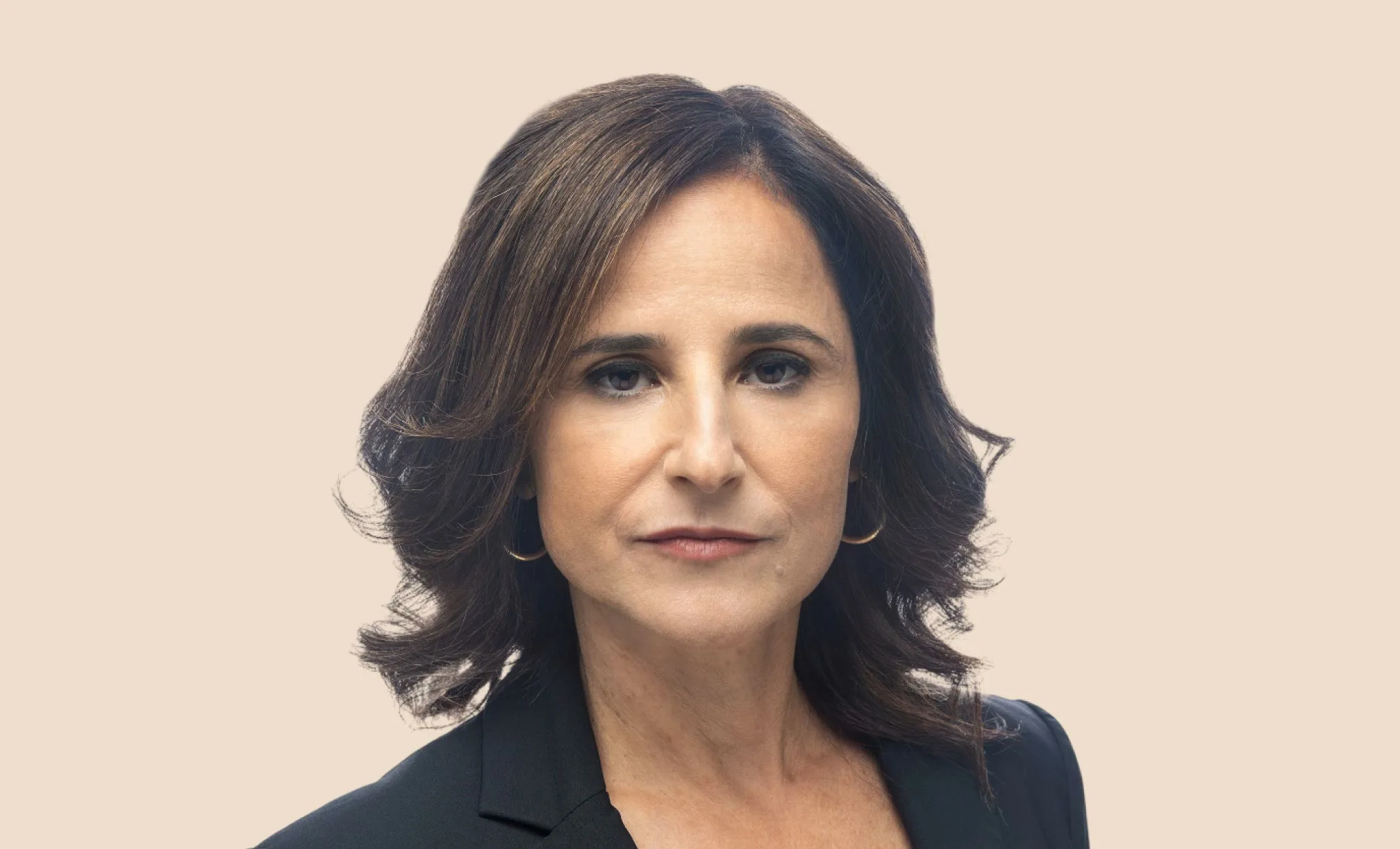
Vanessa joined the organization in 2000 as its first staff attorney, and has helped pioneer the model of post-conviction DNA litigation used nationwide to exonerate wrongfully convicted persons. She is a nationally recognized expert on wrongful convictions and the use of DNA to establish innocence. In 2012, she contributed to the National Institute of Justice’s “DNA for the Defense Bar,” a report for criminal defense attorneys on understanding and applying DNA science in the courtroom.

Interested in booking a speaker?
Book a speaker online, or call 212.364.5384 for more information.