Speakers Bureau
We connect wrongful conviction experts with schools, universities, companies, and organizations worldwide. Our incredible roster of speakers includes both staff experts and individuals who have firsthand experience with wrongful convictions.
Hear real stories, learn about systemic issues that lead to wrongful convictions, and amplify the innocence movement to help prevent future injustices.
Want to book a speaker? Please fill out our online form. We can’t wait to work together!
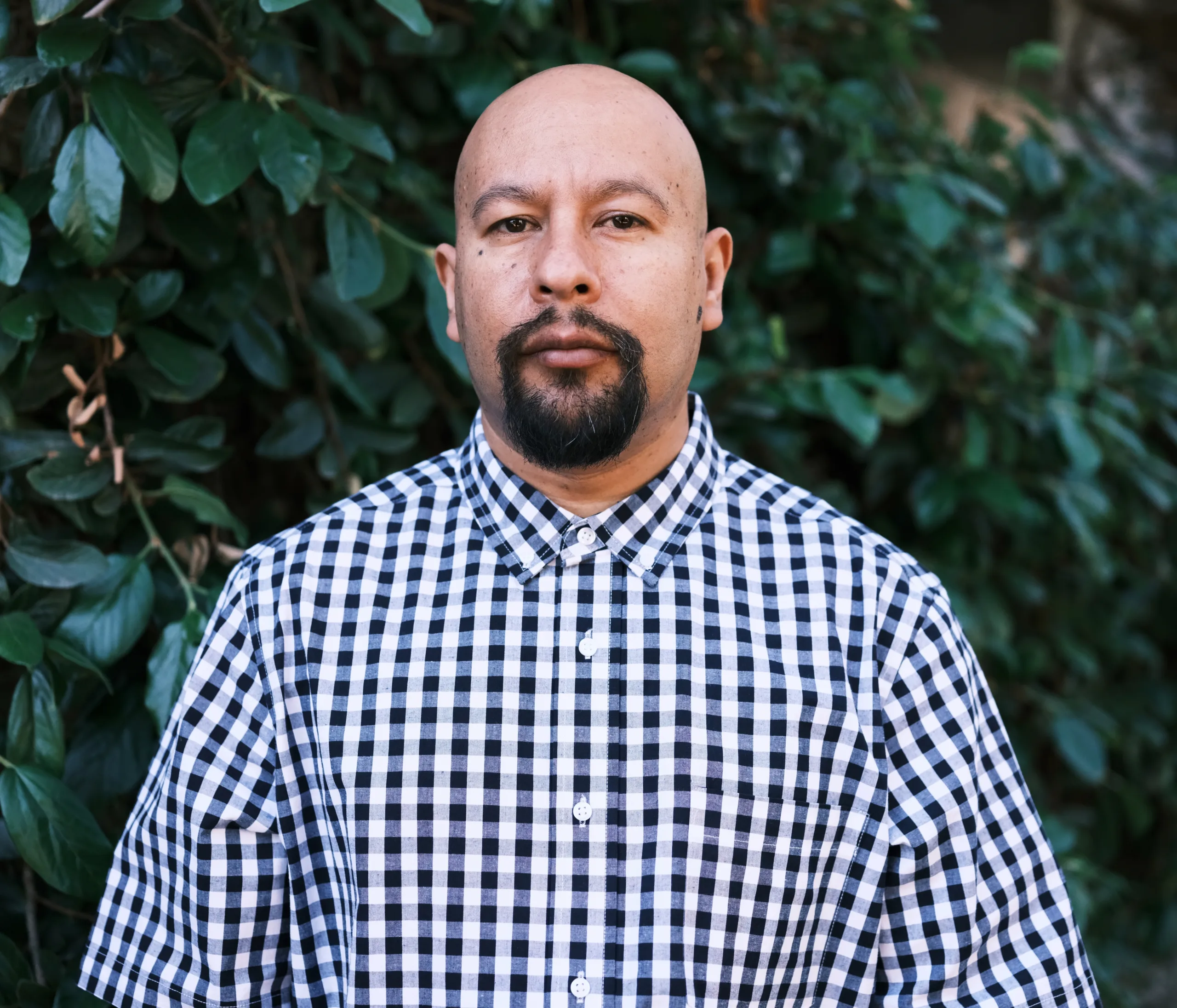
Featured Speaker
Angel Gonzalez
In 2015, Angel Gonzalez was exonerated after serving over 20 years in prison for a rape that he did not commit in Illinois. He is a member of the Innocence Project's Exoneree Advisory Council.
Angel Gonzalez
topics:
Coerced pleas, Eyewitness misidentification
state:
Illinois
Time Wrongfully Served:
20 years
My Story
On March 10, 2015, Angel Gonzalez was exonerated after serving over 20 years in prison for a rape that he did not commit.
In 1994, Mr. Gonzalez was misidentified as the attacker when police used a highly unreliable and suggestive identification procedure. After he was arrested, he was misled by police into signing a false confession. Despite having four alibi witnesses testify in his defense in court, Mr. Gonzalez was wrongly convicted of aggravated sexual assault and aggravated kidnapping and was sentenced to 40 years in prison.
Although Mr. Gonzalez maintained his innocence from the beginning, it wasn’t until 2013 that he was finally able to prove his innocence through DNA testing. Today, he is a member of the Innocence Project’s Exoneree Advisory Council.
“I like to share my story because I was in hell, and the Innocence Project saved me from that hell. Unfortunately, others still are going through that hell, and they need help — together, we can get them out of that nightmare.”
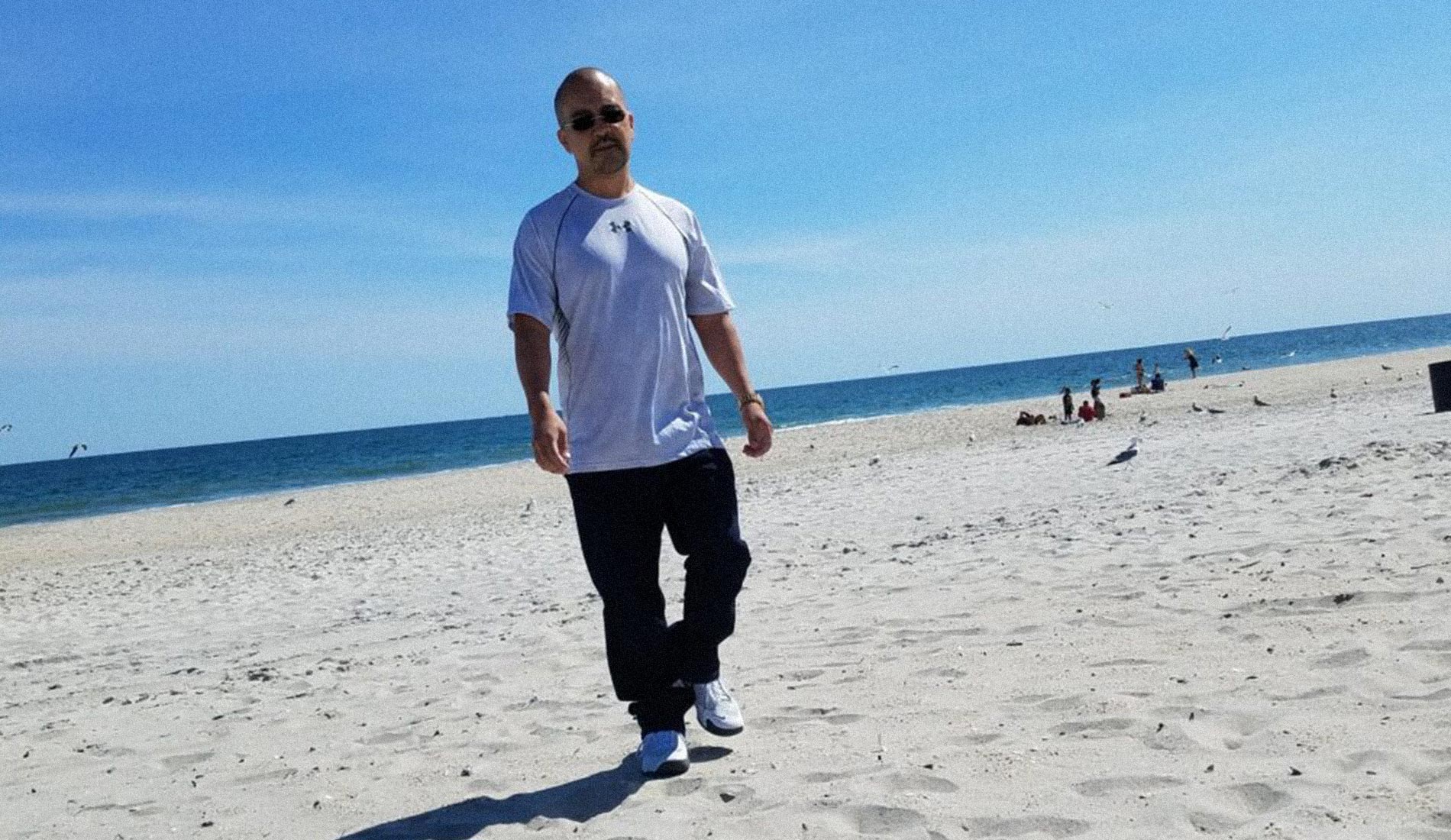
Featured Speaker
Carlos Sanchez
In 2017, Carlos Sanchez was released after spending nearly 25 years — more than half of his life — in prison for a murder he maintains he did not commit in New York.
Carlos Sanchez
topics:
Coerced pleas
state:
New York
Time Wrongfully Served:
25 years
In May 2017, Carlos Sanchez was released after spending nearly 25 years — more than half of his life — in prison for a murder he maintains he did not commit.
Mr. Sanchez was only 17, when, after an eight-hour interrogation by police without a lawyer or guardian present, he signed a confession taking responsibility for the 1992 murder of his girlfriend. The confession was the only evidence linking him to the crime, and it was obtained under conditions now known to be associated with false confessions. The statement was also at odds with physical evidence collected in the case.
In January 2017, Mr. Sanchez was granted parole. He is still fighting to prove his innocence.
“Unpacking our experiences through hardship and trauma is part of healing. I share my story out loud and in public in order to do this unpacking on a continuous basis. In doing so, I can also be an example to others not to fear doing such self-reflections.”
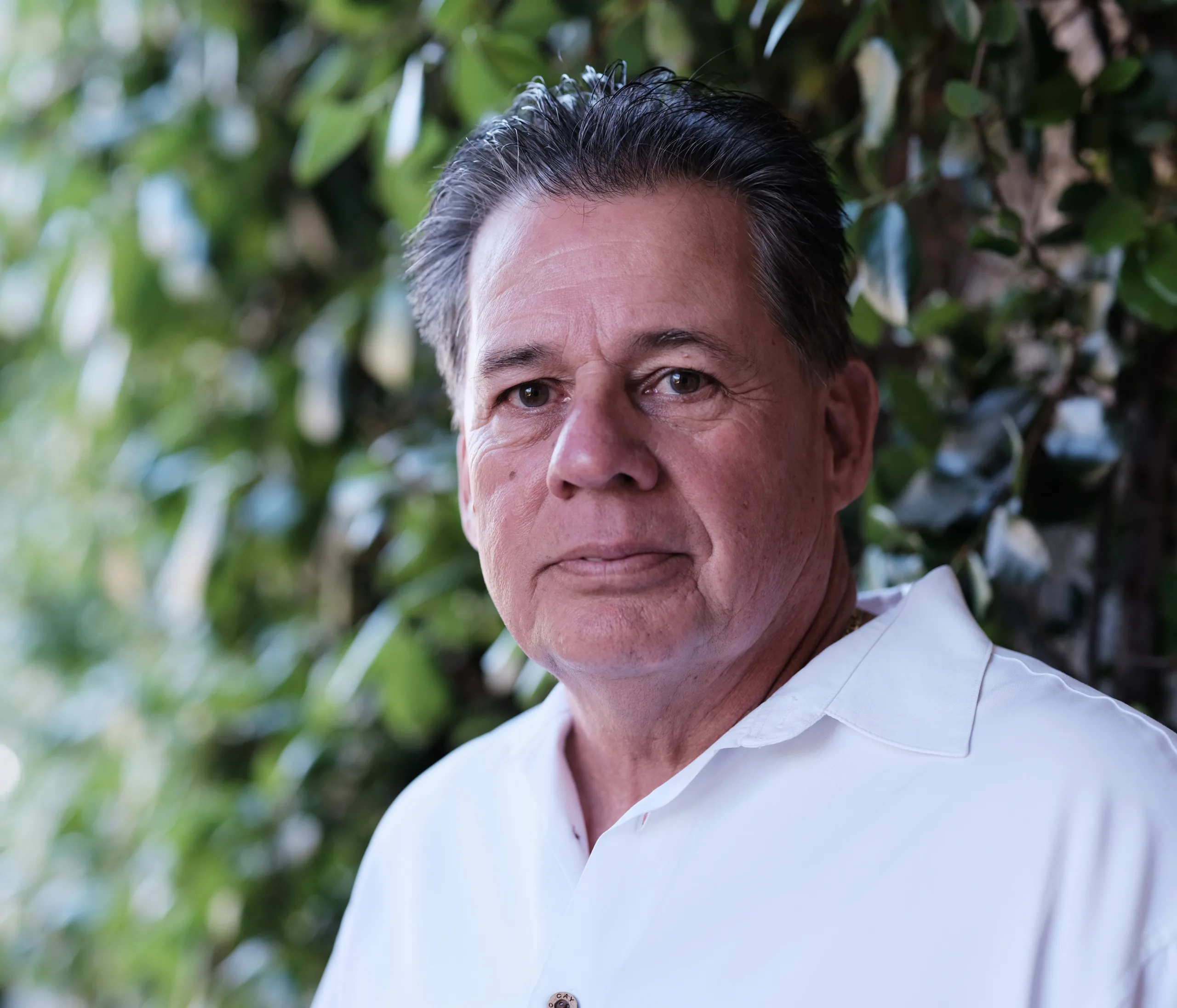
Featured Speaker
Eddie Lowery
In 2003, Eddie Lowery had his conviction vacated and his case dismissed after spending nine years in prison for a rape he did not commit in California.
Eddie Lowery
topics:
Coerced pleas, DNA
state:
California
Time Wrongfully Served:
9 years
On April 3, 2003, Eddie Lowery had his conviction vacated and his case dismissed after spending nine years in prison for a rape he did not commit.
In July 1981, a 74-year-old woman was attacked while sleeping in her home in Ogden, Kansas. Mr. Lowery was brought in for questioning and was interrogated all day without food so that police could procure a confession. Although he later recanted the statements, he was wrongly convicted in 1982 based on the confession and the misapplication of forensic science.
In 2002, Mr. Lowery was able to procure DNA testing on the biological evidence, and in September of that year, DNA test results confirmed his claim of innocence.
“After being wrongfully convicted. I feel it is my responsibility to inform the public about wrongful convictions. The injustice of wrongful convictions still surprises the public on how this could happen to an innocent person.”
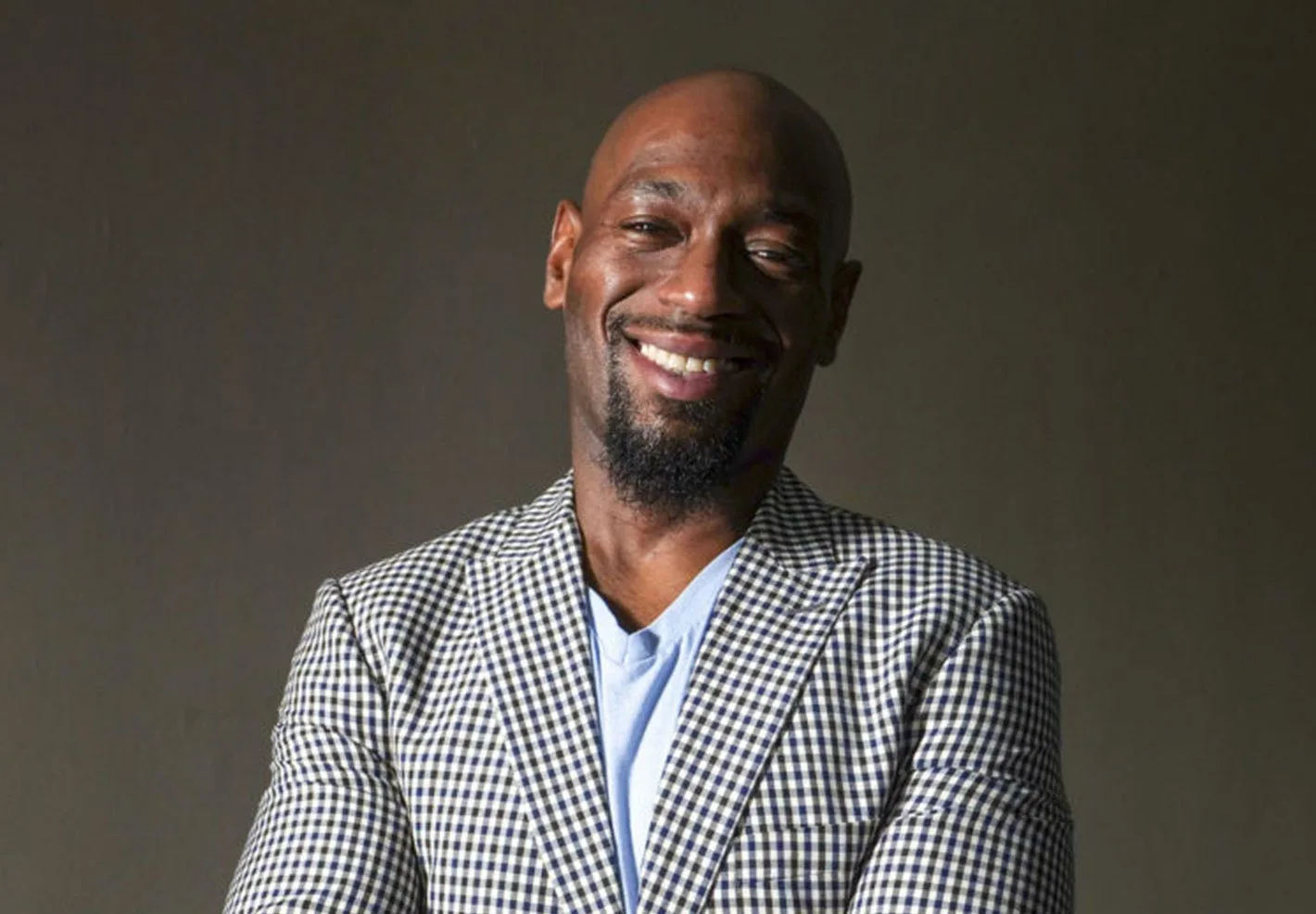
Featured Speaker
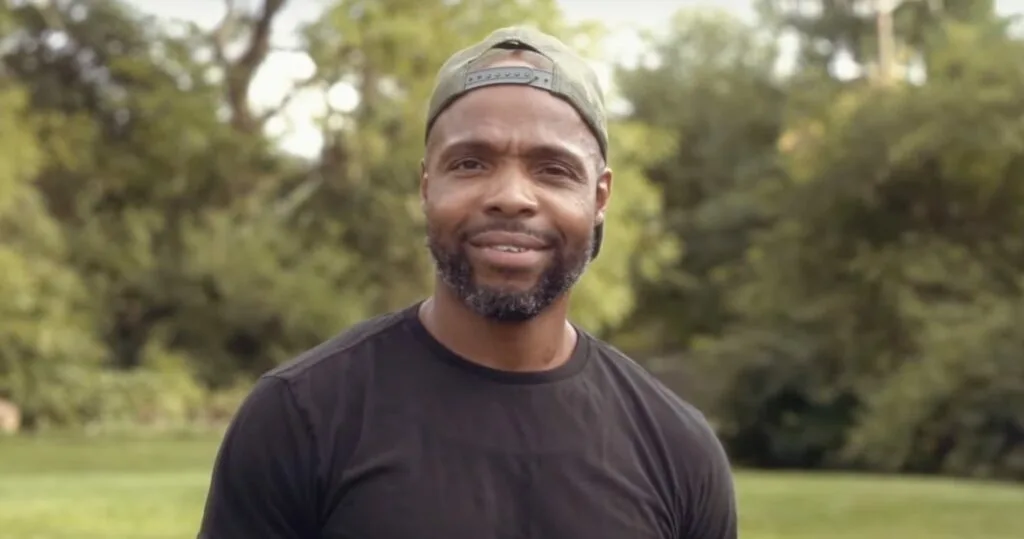
Huwe Burton
Huwe Burton was exonerated in 2019 of a murder he did not commit in New York.
Huwe Burton
topics:
Coerced pleas, Race
state:
North Carolina
Time Wrongfully Served:
19 years
On Jan. 24, 2019, Huwe Burton, who spent 19 years in prison for a murder he did not commit, was exonerated.
At 16 years old, Mr. Burton was convicted of the 1989 murder of his mother, who had been found stabbed to death in their New York City home. His conviction was largely based on a false confession that had been coerced by detectives.
A joint reinvestigation between the Innocence Project and the Bronx District Attorney’s Conviction Integrity Unit uncovered that detectives from New York’s 47th precinct had coerced Mr. Burton into falsely confessing. Furthermore, additional new evidence surfaced about an alternate person who committed the crime. Ultimately, Mr. Burton carried his wrongful conviction for nearly 28 years before he was exonerated.
“After being falsely arrested and convicted, I realized my strongest weapon is my voice. I would like to use it to enlighten, inspire, and ultimately change our fractured criminal justice system.”
Featured Speaker
Termaine Hicks
Termaine Hicks was exonerated in 2020 of a rape he did not commit in Pennsylvania. He is a member of the Innocence Project's Exoneree Advisory Council.
Termaine Hicks
topics:
DNA, Eyewitness misidentification, False Confessions
state:
Pennsylvania
Time Wrongfully Served:
19 years
My Story
On Dec. 16, 2020, Termaine Hicks was freed from a Pennsylvania prison after his wrongful conviction for a 2001 rape was vacated.
In 2001, Mr. Hicks was walking home when he heard a woman screaming. He found her badly beaten and attempted to call 911 when the police arrived and mistook him for the attacker. Officers shot him three times in the back before they realized their mistake. They then conspired to cover it up and falsely testified that Mr. Hicks had lunged at them with a gun. Based on this testimony, Mr. Hicks was convicted in 2002 of rape, aggravated assault, possessing an instrument of crime, and terroristic threats.
In 2015, Mr. Hicks filed a petition for post-conviction DNA testing on the evidence. Separately, in 2018, his attorneys filed a petition for post-conviction relief, stating that pathology reports and other evidence revealed that he had been shot from behind three times. Two years later, the district attorney’s conviction integrity unit asked a court to vacate Mr. Hicks’ conviction.
Mr. Hicks, an aspiring playwright, is now a member of the Innocence Project’s Exoneree Advisory Council.
“After being falsely imprisoned, I want to share my story of how I maintained through it all, to inspire others to keep going and highlight the need for justice reform and the importance of donating funds, resources, and one's time.”
Scenes From Our Speaking Engagements
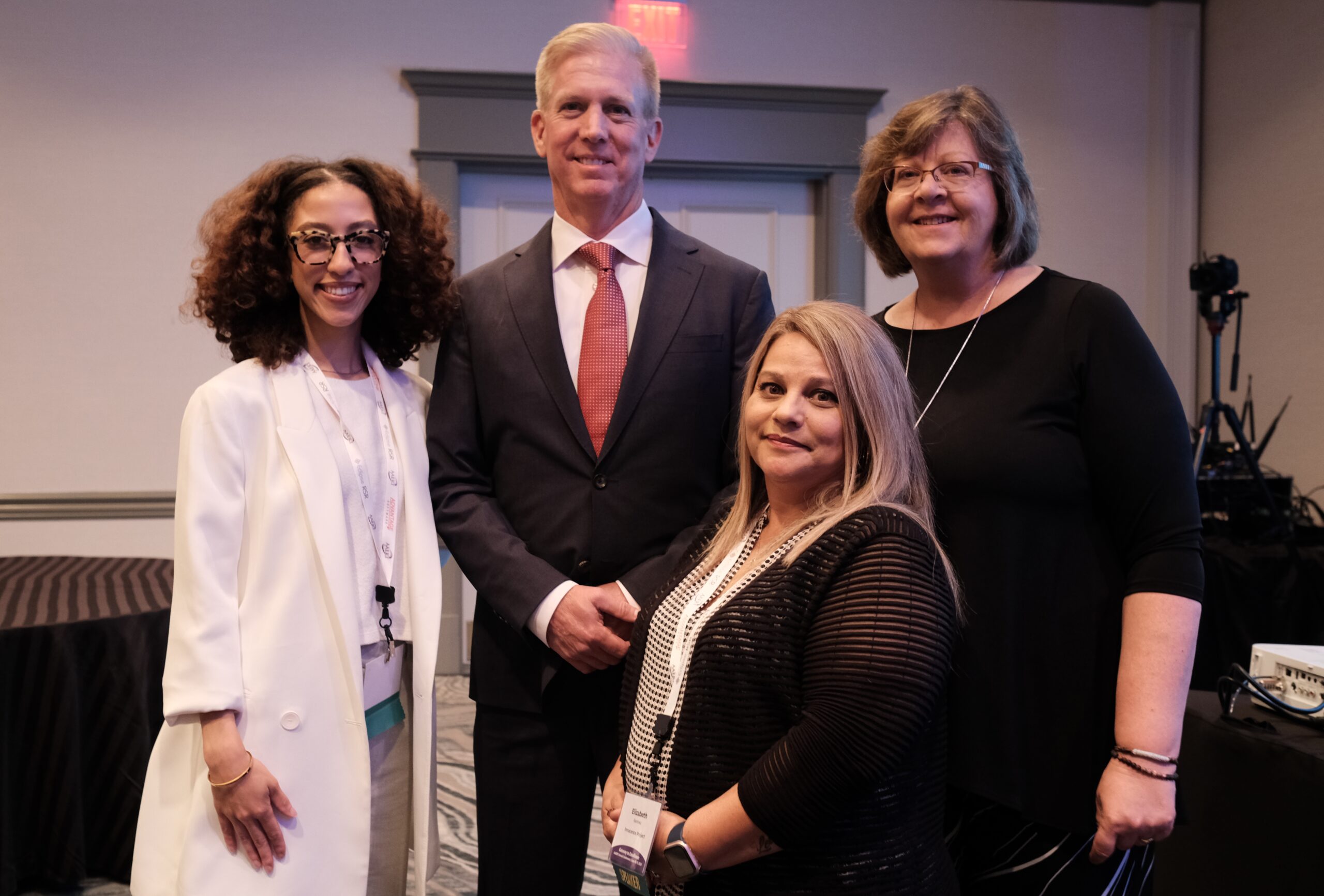
(Image: Kenny Karpov/Innocence Project)
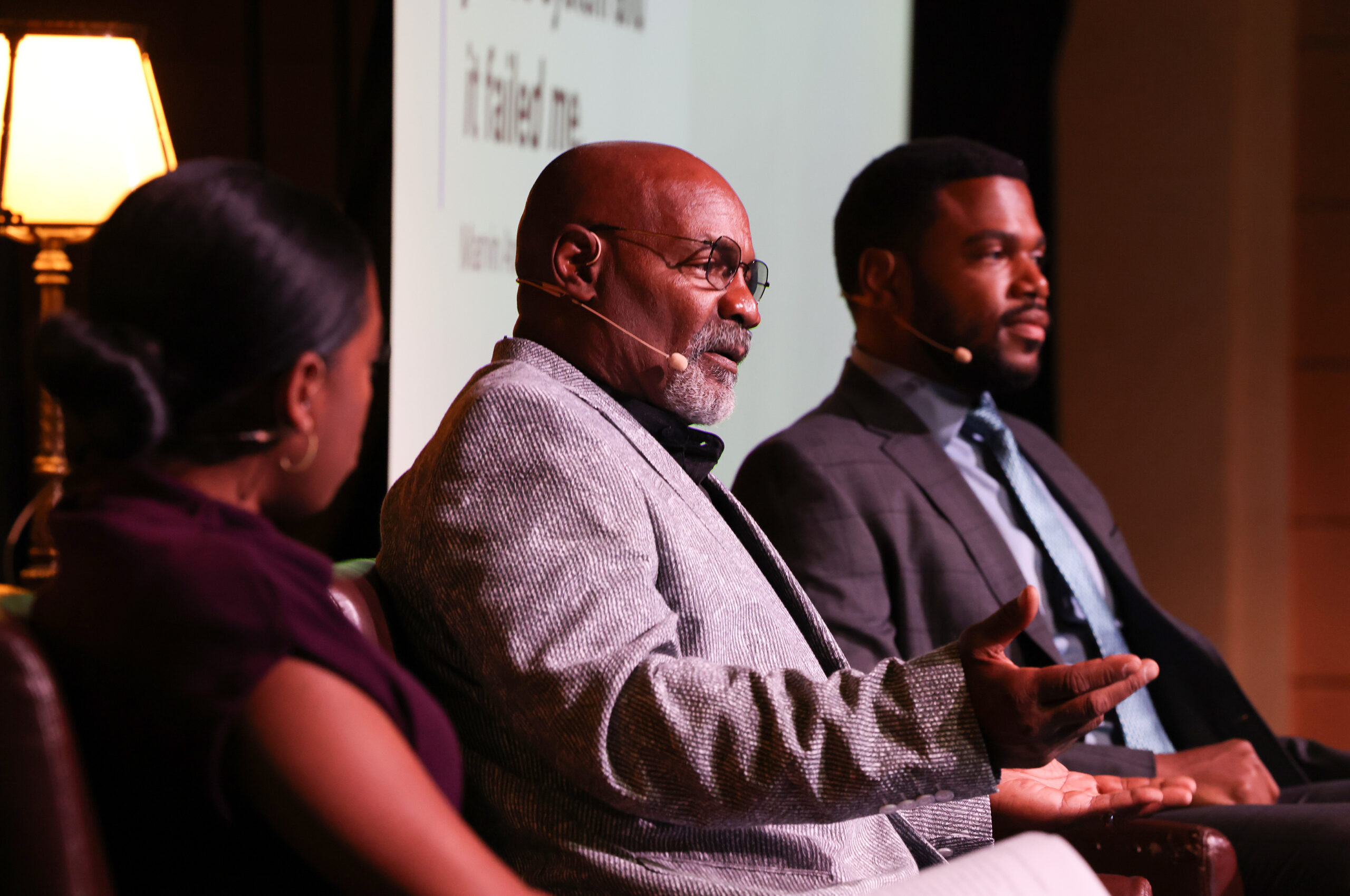
(Image: Courtesy of The Mob Museum)

(image: Courtesy of FileVine)
Angel Gonzalez
topics:
Coerced pleas, Eyewitness misidentification
state:
Illinois
Time Wrongfully Served:
20 years
Angel Gonzalez
My Story
On March 10, 2015, Angel Gonzalez was exonerated after serving over 20 years in prison for a rape that he did not commit.
In 1994, Mr. Gonzalez was misidentified as the attacker when police used a highly unreliable and suggestive identification procedure. After he was arrested, he was misled by police into signing a false confession. Despite having four alibi witnesses testify in his defense in court, Mr. Gonzalez was wrongly convicted of aggravated sexual assault and aggravated kidnapping and was sentenced to 40 years in prison.
Although Mr. Gonzalez maintained his innocence from the beginning, it wasn’t until 2013 that he was finally able to prove his innocence through DNA testing. Today, he is a member of the Innocence Project’s Exoneree Advisory Council.
“I like to share my story because I was in hell, and the Innocence Project saved me from that hell. Unfortunately, others still are going through that hell, and they need help — together, we can get them out of that nightmare.”
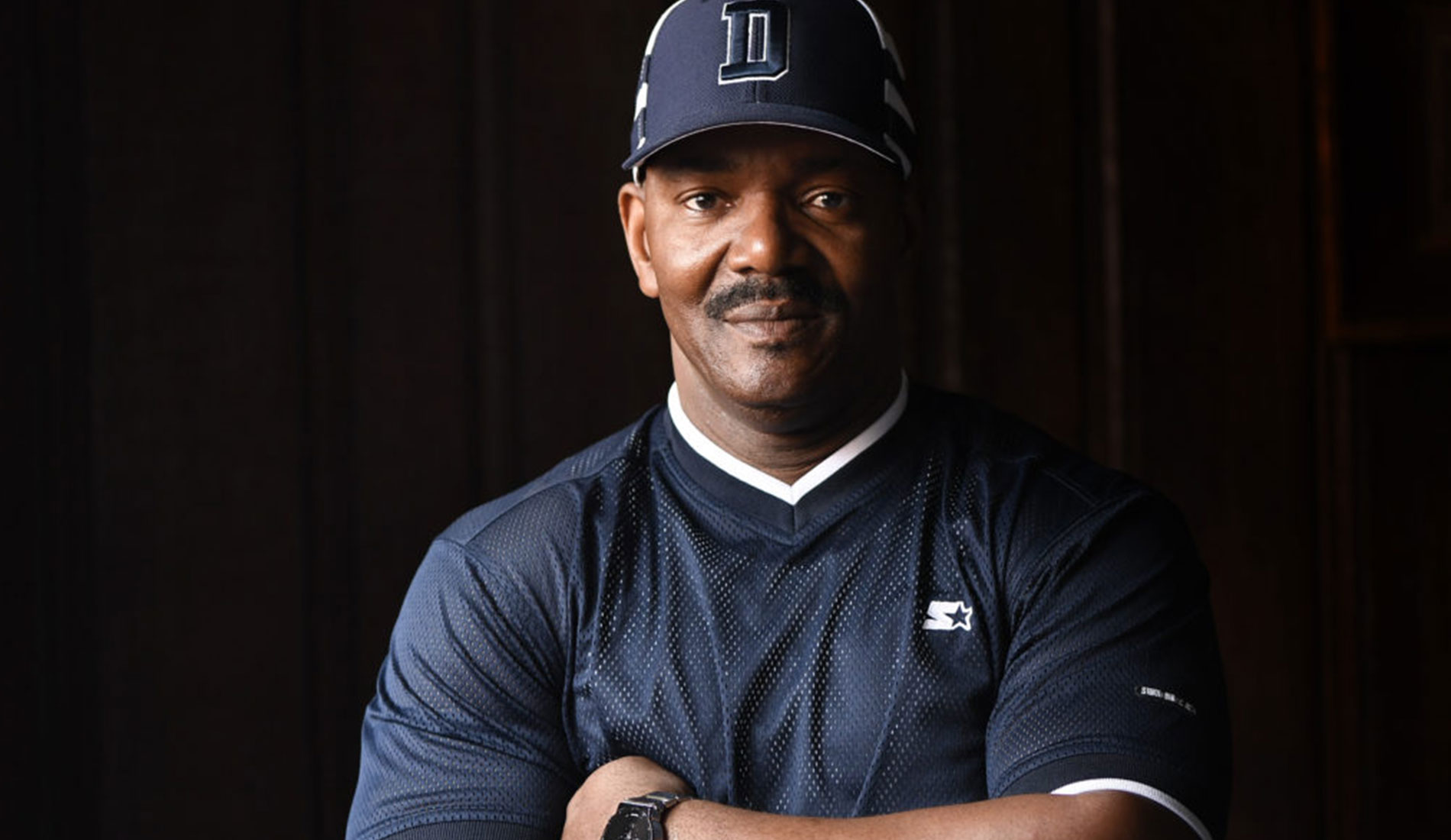
Cornelius Dupree
topics:
DNA, Eyewitness misidentification, Race
state:
Texas
Time Wrongfully Served:
31 years
Cornelius Dupree
On April 4, 2011, Cornelius Dupree was exonerated after spending more than 30 years in prison for a 1979 rape and robbery he didn’t commit.
One week after the attack, Mr. Dupree, alongside Anthony Massingill, was stopped by police who claimed both men fit the general description of two other Black men who were suspected in a separate sexual assault case. After their photos were submitted for an identification lineup, Mr. Dupree and Mr. Massingill were misidentified as the attackers in the rape and robbery case. They were convicted in 1980, and Mr. Dupree was subsequently sentenced to 75 years in prison.
In 2010, DNA testing conclusively excluded both men as possible sources of DNA found on the survivor. The district attorney’s office agreed that the DNA evidence established Mr. Dupree’s evidence, and he was granted habeas corpus relief by the Texas Court of Criminal Appeals.
“After spending 30 years in prison for a crime I did not commit, I will always advocate for those behind prison walls.”
Fernando Bermudez
topics:
Eyewitness misidentification, Official misconduct, Race
state:
North Carolina
Time Wrongfully Served:
18 years
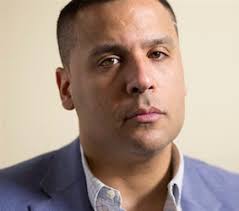
Fernando Bermudez
In 2009, Fernando Bermudez had his conviction overturned after spending 18 years in prison for a murder he did not commit.
In 1991, Mr. Bermudez became a suspect in the murder of a teenager outside of a nightclub in New York City after an eyewitness picked him out in a police photo lineup. Despite four alibi witnesses and no physical or forensic evidence linking him to the crime, he was convicted of second-degree murder and sentenced to 23 years to life in prison. The following year, all witnesses recanted their testimony.
It was not until 2009 that a judge overturned Mr. Bermudez’s conviction on “actual innocence” grounds based on police and prosecutorial misconduct. Now a passionate advocate for criminal legal reform, Mr. Bermudez shares his experience and inspiring words with audiences around the world. He is also working on a book about his ordeal.
“I share my 18-year survival story not only to prevent what happened to me from happening to others but also to inspire audiences to leave better after my talks.”

M. Chris Fabricant
Topics: Coerced pleasEyewitness misidentificationMisapplication of forensic science
M. Chris Fabricant
topics:
Coerced pleas, Eyewitness misidentification, Misapplication of forensic science
M. Chris Fabricant
Chris Fabricant is the director of strategic litigation (Joseph Flom Special Counsel) at the Innocence Project. In this role, he leads the Innocence Project’s strategic litigation department, whose attorneys develop and execute national litigation and public policy strategies to address the leading causes of wrongful conviction.
Chris is one of the United States’s leading experts on forensic sciences and scientific litigation. Prior to joining the Innocence Project, he was a longtime public defender and law professor. He frequently serves as a public speaker on law reform issues, and is widely published in both legal scholarship and in mainstream media. In his new book, Junk Science and the American Criminal Justice System, Chris examines the role that faulty scientific evidence has in continuing and strengthening an unjust and racial biased criminal legal system.
Malcolm Alexander
topics:
Eyewitness misidentification, Inadequate defense
state:
Louisiana
Time Wrongfully Served:
18 years
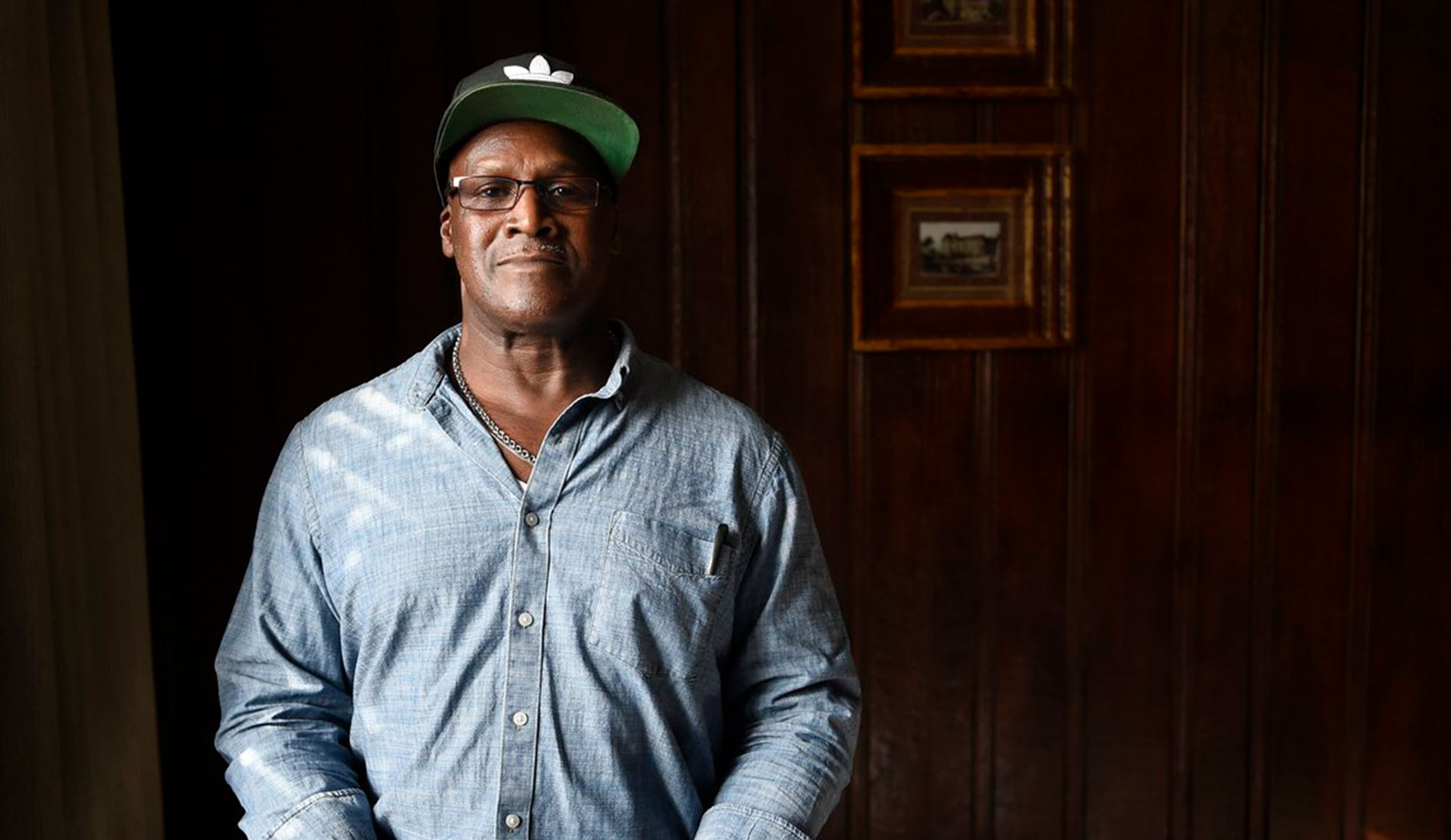
Malcolm Alexander
On January 30, 2018, Malcolm Alexander was exonerated in Louisiana of a 1979 rape he did not commit. A reinvestigation by the Jefferson Parish District Attorney’s Office, the Innocence Project, and the Innocence Project New Orleans led to DNA testing of hair evidence that proved his innocence.
Mr. Alexander was wrongly convicted in 1980 and sentenced to life without parole largely based on eyewitness misidentification and an inadequate defense. He subsequently served 38 years in prison before he was released.
“I support the IP because of their big hearts — they believe there are innocent people incarcerated, and they believe in me. That is why I will take every opportunity I get to educate those unfamiliar with the IP.”
Marvin Anderson
topics:
DNA, Eyewitness misidentification, Race
state:
Virginia
Time Wrongfully Served:
20 years
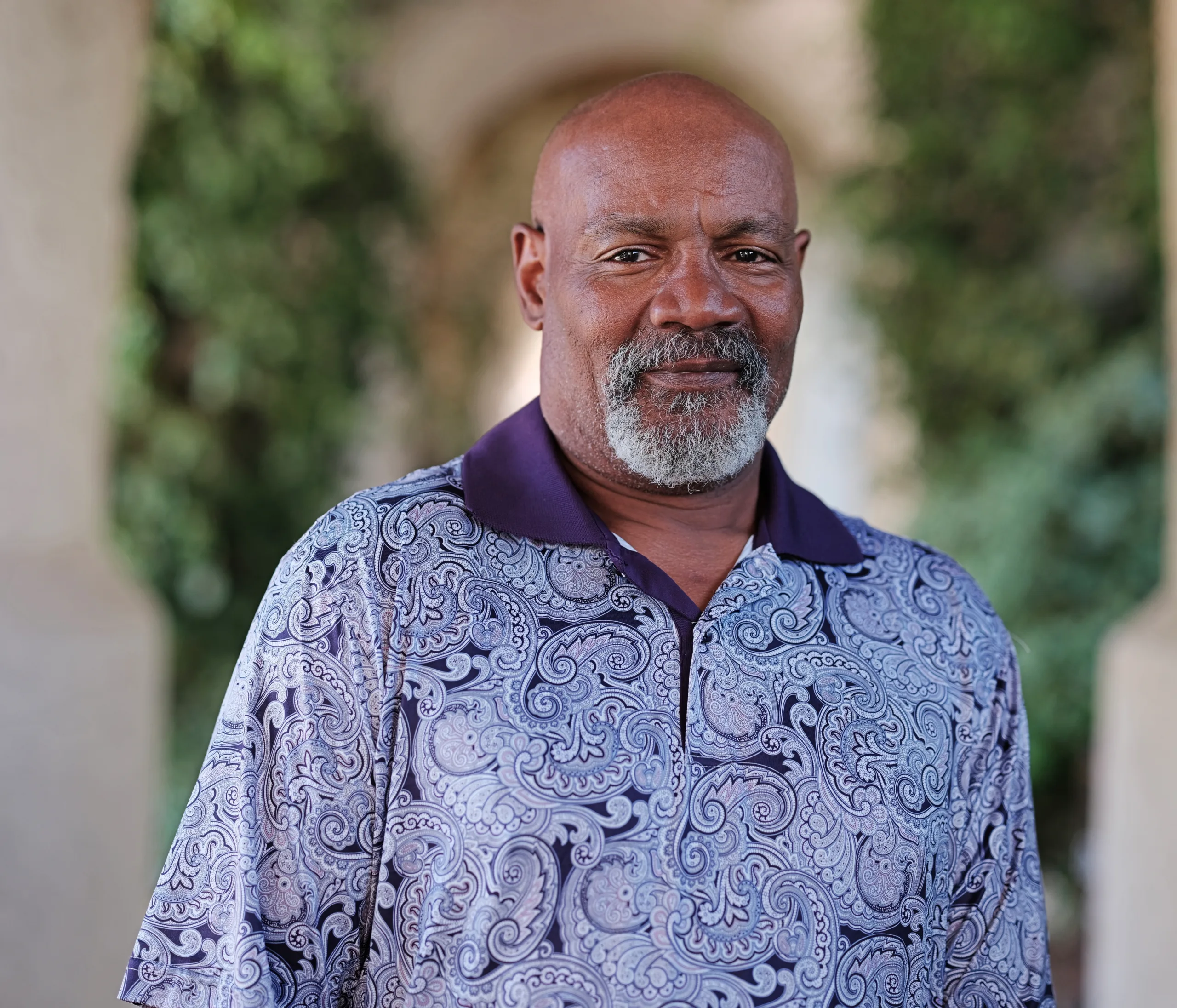
Marvin Anderson
On Aug. 21, 2002, Marvin Lamont Anderson became the 99th person in the U.S. to be exonerated as a result of post-conviction DNA testing. Mr. Anderson was only 18 years old when he was convicted in 1982 of robbery, sodomy, abduction, and rape in Virginia. His conviction largely rested on eyewitness misidentification, and he was sentenced to 210 years in prison.
In 2001, the Innocence Project, in partnership with the Mid-Atlantic Innocence Project, won access to DNA testing, the results of which excluded Mr. Anderson as the attacker and instead matched two other individuals. In 2002, Virginia Gov. Mark Warner granted Mr. Anderson, who had spent 20 years in prison, a full pardon.
Following his exoneration, Mr. Anderson served as chief of the Hanover, Virginia Fire Department, where he oversaw a team of 30 people. He is currently on the Innocence Project’s board of directors.
“I am Marvin L. Anderson. I am the 99th person to be exonerated post-conviction through DNA testing and the first in Virginia. I am part of the Speakers Bureau because it allows me to tell my story about my life and the case when I was not able to tell my story during my trial in 1982. I show others what happens to me can happen to anyone on any given day. It allows me to tell my story and how our justice system is broken.”
Termaine Hicks
topics:
DNA, Eyewitness misidentification, False Confessions
state:
Pennsylvania
Time Wrongfully Served:
19 years
Termaine Hicks
My Story
On Dec. 16, 2020, Termaine Hicks was freed from a Pennsylvania prison after his wrongful conviction for a 2001 rape was vacated.
In 2001, Mr. Hicks was walking home when he heard a woman screaming. He found her badly beaten and attempted to call 911 when the police arrived and mistook him for the attacker. Officers shot him three times in the back before they realized their mistake. They then conspired to cover it up and falsely testified that Mr. Hicks had lunged at them with a gun. Based on this testimony, Mr. Hicks was convicted in 2002 of rape, aggravated assault, possessing an instrument of crime, and terroristic threats.
In 2015, Mr. Hicks filed a petition for post-conviction DNA testing on the evidence. Separately, in 2018, his attorneys filed a petition for post-conviction relief, stating that pathology reports and other evidence revealed that he had been shot from behind three times. Two years later, the district attorney’s conviction integrity unit asked a court to vacate Mr. Hicks’ conviction.
Mr. Hicks, an aspiring playwright, is now a member of the Innocence Project’s Exoneree Advisory Council.
“After being falsely imprisoned, I want to share my story of how I maintained through it all, to inspire others to keep going and highlight the need for justice reform and the importance of donating funds, resources, and one's time.”

Interested in booking a speaker?
Book a speaker online, or call 212.364.5384 for more information.