- “We hold these truths to be self-evident,
- that all men are created equal,
- that they are endowed by their Creator
- with certain unalienable rights,
- that among these are
- life,
- liberty,
- and the pursuit of happiness.”
Life, Liberty, and the Pursuit of Happiness
Portraits of a Promise Broken and Restored
Special Feature 07.08.26 By Daniele Selby with contributed reporting by Alyxaundria Sanford, Mrinali Dhembla, and Ishikaa Kothari
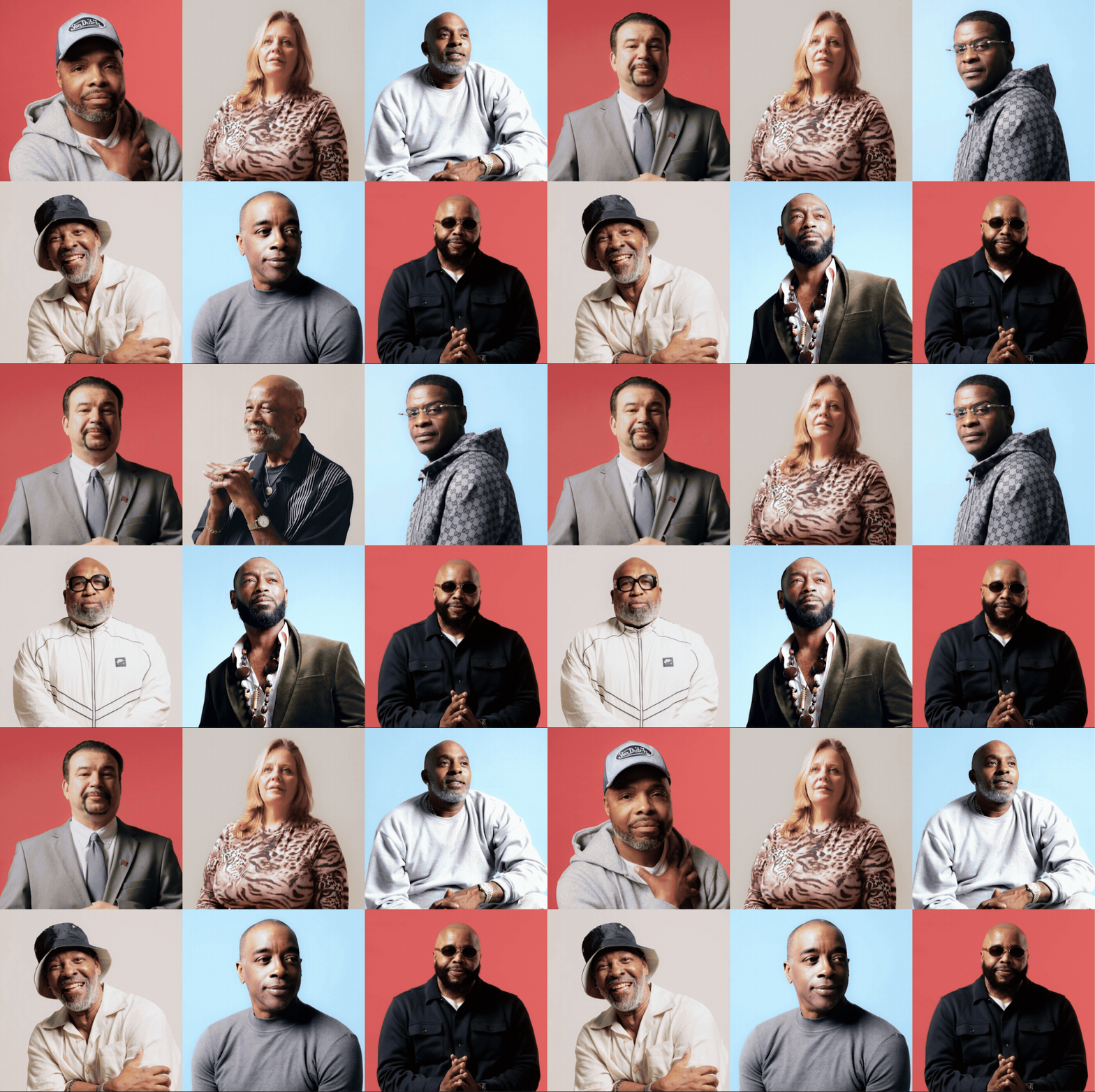
(Images: Mary Kang for the Innocence Project)
This is the promise laid out in the Declaration of Independence — the founding document of the United States of America, that turns 250 years old this month. The official act, adopted on July 4, 1776, declared the 13 American colonies a new nation independent from British rule and seeded the core principles of freedom and equality that define this nation and what it stands for.
These are bold, idealistic promises. But our record delivering on them is, at best, patchy.
Which leads us to ask: What do these words mean to the men and women who have had their freedom stolen by wrongful conviction and incarceration for crimes they didn’t commit? And when freedom is finally restored, when a promise is finally delivered on, often many decades later, is belief in those core principles restored too?
The Innocence Project has helped free and exonerate more than 250 innocent people since 1992. Cumulatively, that is 6,835 years of freedom denied — 27 times longer than the very existence of this country. Below 16 of them reflect on the answer to these questions.
PART I: Portraits of a Promise Broken
A young mother of two. A high school student with a passion for music. An aspiring firefighter. A Navy veteran.
Each of the people featured in this story believed in the American promise. Each had hopes and dreams they were chasing when they became ensnared by the criminal legal system for crimes they didn’t commit. And when that happened, each of them continued to hold to America’s promise of “justice for all,” to the foundational principle of “innocent until proven guilty.” And, at this point, our legal system failed them. Coerced false confessions, withheld evidence, and flawed forensics, are just some of the factors that lead to their wrongful convictions.
But they never stopped fighting for their freedom. Some fought from behind prison bars, right up until the moment they were declared innocent in court and walked out as free men and women. Others served the entirety of a sentence that was never theirs to bear, released to continue their fight for justice on the outside — a kind of liberty without true freedom.
In their own words, the 16 people below describe the raw reality of liberty wrongfully taken.
Editor’s note: The following are accounts as told to the Innocence Project. They have been lightly edited for clarity and brevity.
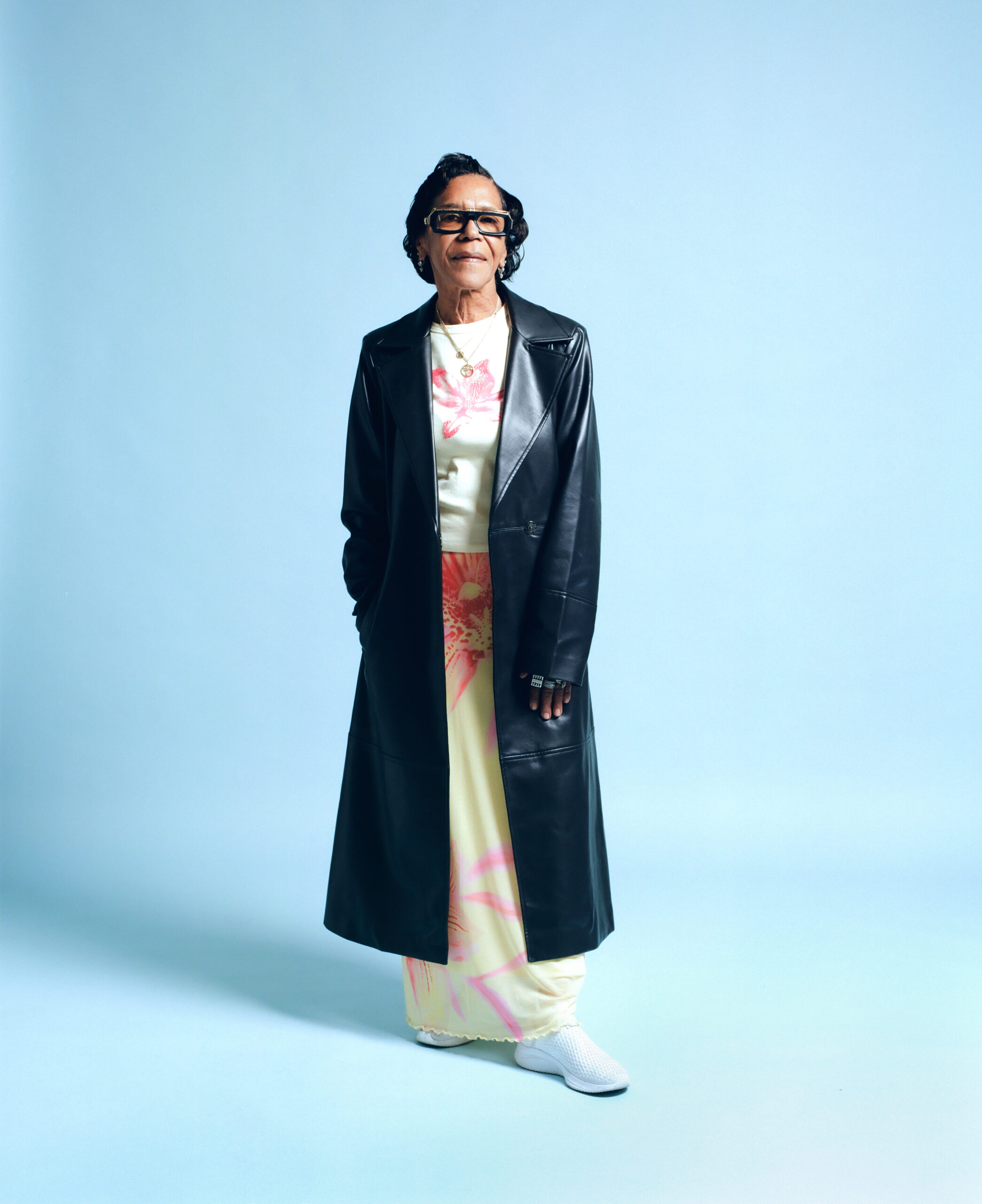
(Image: Mary Kang for the Innocence Project)
Renay Lynch
26 YEARS OF WRONGFUL CONVICTION
My wrongful conviction took me from my family and my family from me. It stole those special moments with my children — them graduating from high school, college, my son’s marriage, him going off to the military, my daughter giving birth to my grandchildren. A couple of my siblings passed away while I was in prison and even though they did allow me to go back to pay respects to them, in the penitentiary there’s really no such thing as grieving. Business just goes on as usual, so that was very, very difficult for me.
It was so heartbreaking — at one point during my journey of my wrongful conviction I was thinking about suicide. But by the grace of God, I found the strength and faith to continue going.
I thought about my children and I knew I had to be strong and endure. I had to fight to get out of that place and that’s exactly what I did.
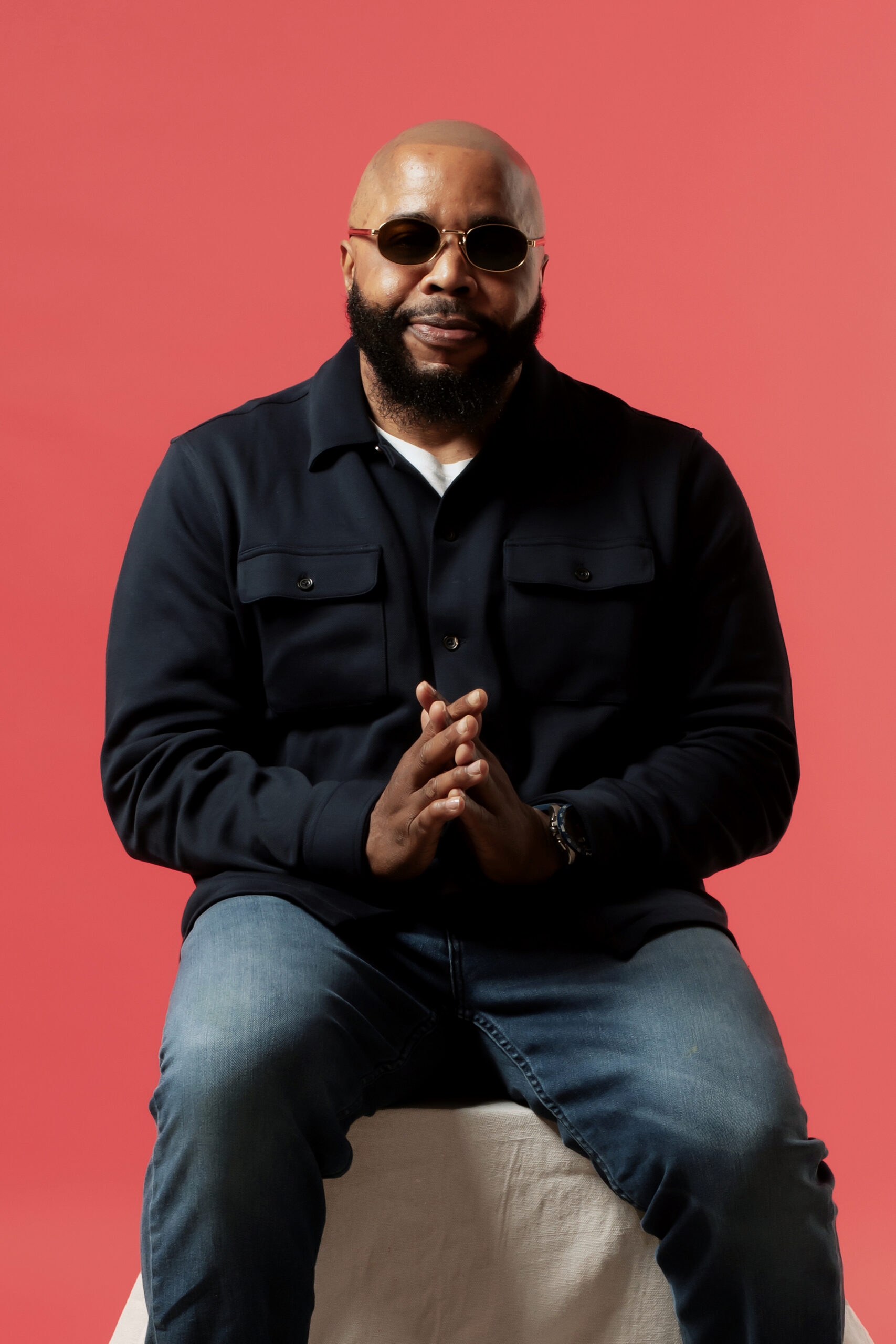
(Image: Mary Kang for the Innocence Project)
Norberto Peets
26 YEARS OF WRONGFUL CONVICTION
I went through a lot of tough times in prison. A lot of tears. Desperation. That’s over 20 years of my life that I am never gonna get back. When I got arrested my son and my daughter were 2 and a half and 4 and a half. And I didn’t get the chance to see them grow up. My grandmother passed away in April 2022. I came out in September 2022. She didn’t get to see me exonerated in May 2023.
Me and my father had a beautiful relationship. And when I was wrongly arrested, my father was still a young guy. And when I came home my father was gone. He had died. He was taken away from me, and that can never be repaired. I’m never going to see my father again. And I still feel some kind of way about that today, because my father died from complications of diabetes. And I wanted to take care of him and maybe he could still be here today.
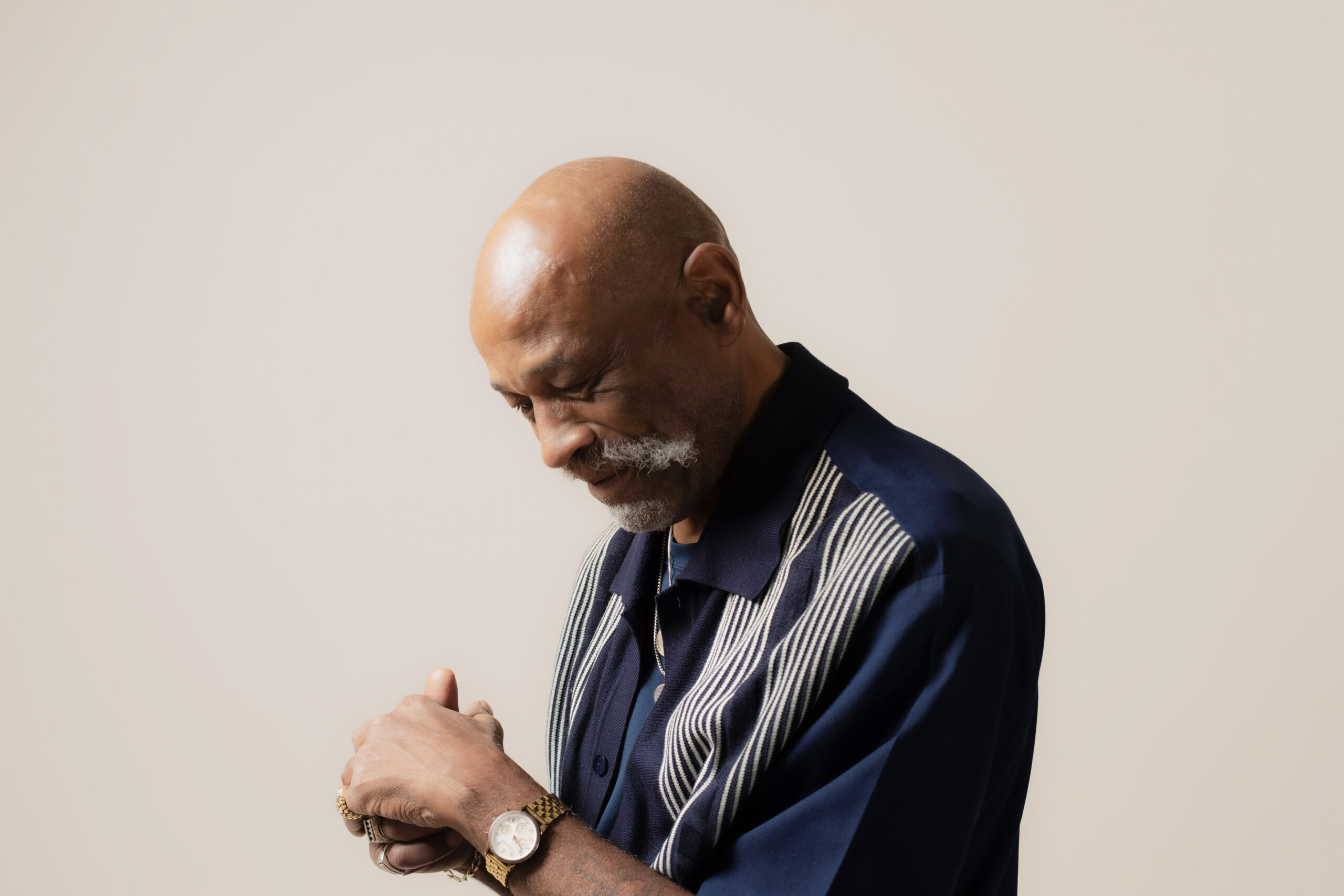
(Image: Mary Kang for the Innocence Project)
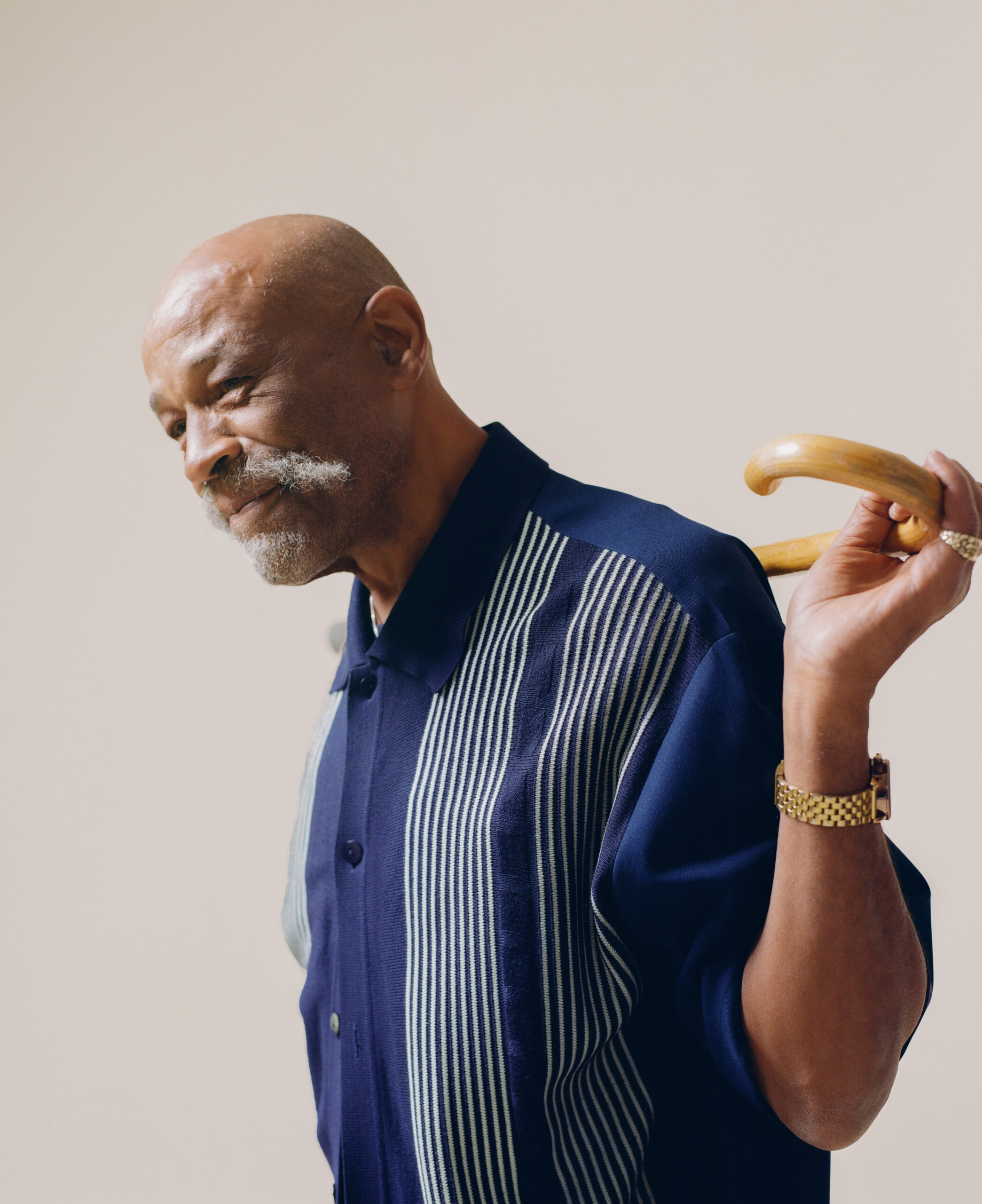
Perry Lott
30 YEARS OF WRONGFUL CONVICTION
What freedoms did they not take from me? The only freedoms that I had, I had to create. Say like handcuffs. Mr. T, the old TV star, said he used to wear all those gold chains and bracelets to honor the captivity and slavery that our people have gone through since America’s been America, and that stuck with me. When I was arrested and put in cuffs and all of that, I had to fall in love with those cuffs like jewelry because I knew that I can’t break them, I knew that I was innocent, but I was the only person that knew I was innocent. And it felt like a conspiracy, the more I cry innocent, the more look guilty. So my freedom of speech was taken, the freedom to protest, all of that. Writing for me was a way to stay sane, was a way for me to have an outlet, because I couldn’t let out anything, I couldn’t let out a cry, I couldn’t let out a song.
When I was released in 2018 based on forensics, they put me on probation, which was pretty much like being in a cage — still prison, but just a whole lot bigger. I still had to be held accountable for things I didn’t do. I was so intimidated by my past, I was questioning myself all the time. I didn’t know who the hell I was. I had to regenerate my entire personality.
When I went in I was 24 years old, I came out 57 and crippled. I’ll never be able to know what went on behind my back while I was incarcerated — how my children grew up, what I could have, should have, would have been. I don’t even know what kind of dad I would have been.
(Image: Mary Kang for the Innocence Project)
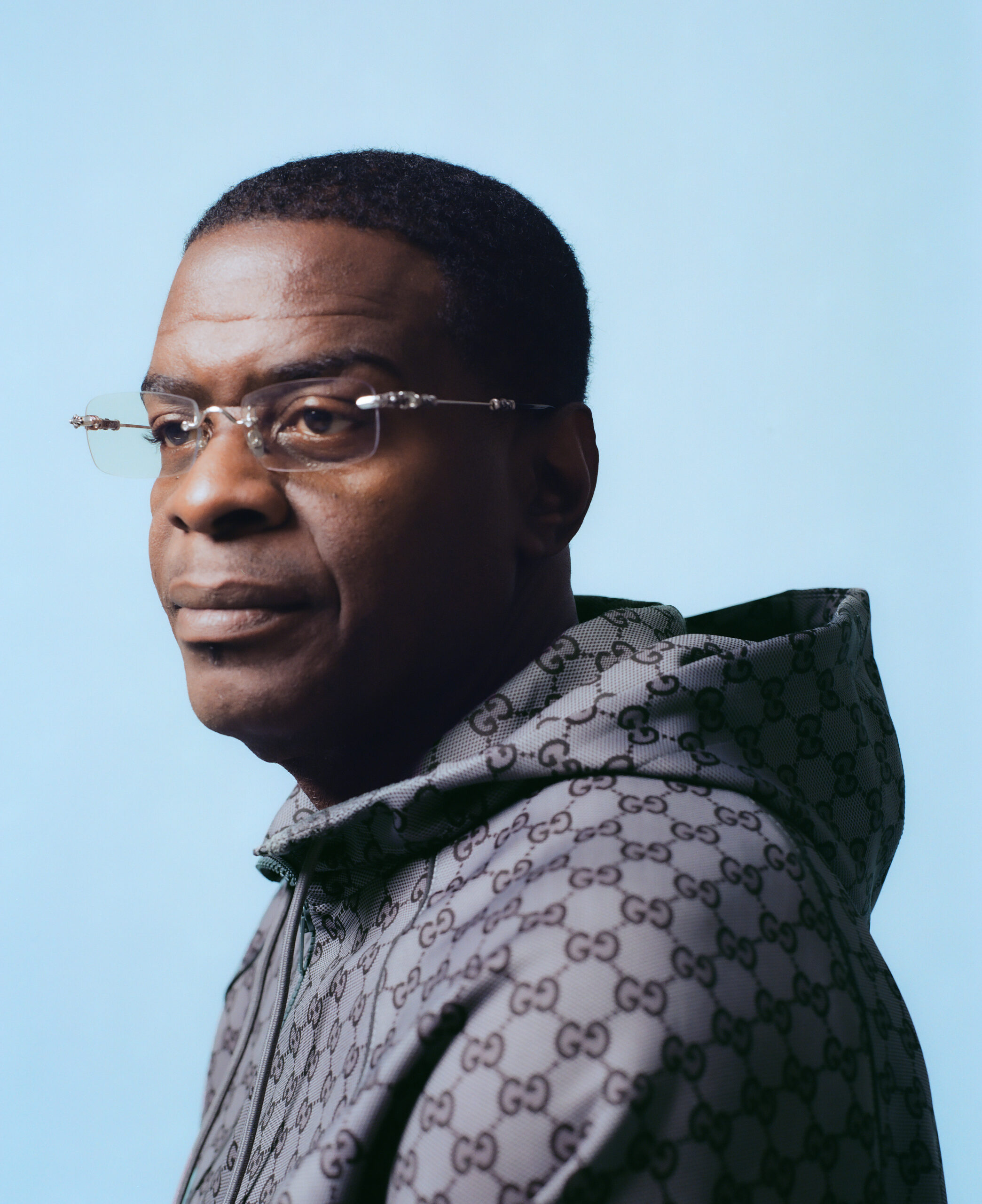
Mark Denny
28 YEARS OF WRONGFUL CONVICTION
Wrongful conviction really took the freedom to become something important in life. I was aspiring to become a boxer and I used to sing when I was young. I wanted to become a singer, but being wrongfully incarcerated took my drive away entirely. It just snuffed out that moment in time where I was really capable of doing these things, and coming out I’m not interested in those things anymore.
(Image: Mary Kang for the Innocence Project)
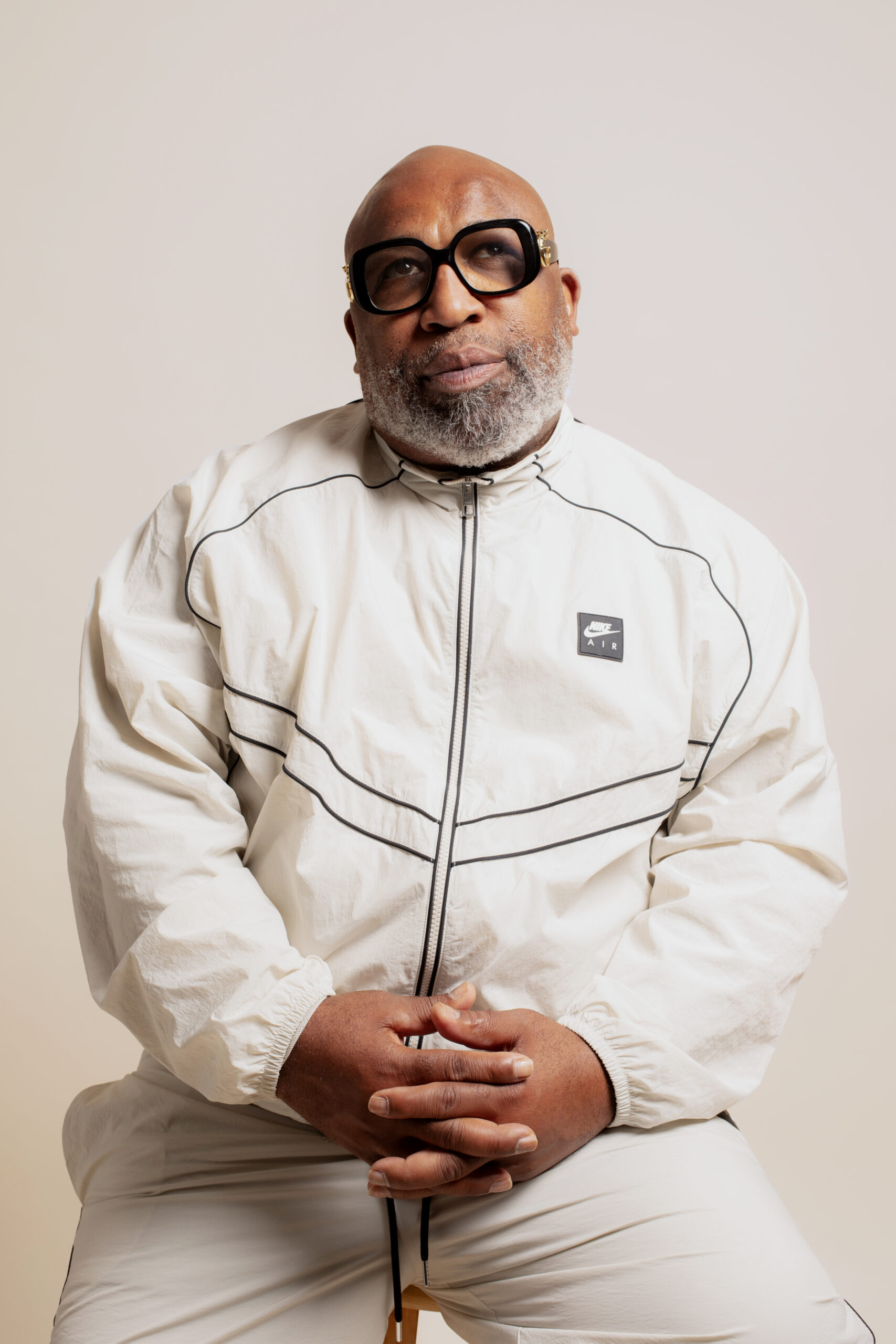
Tony Wright
25 YEARS OF WRONGFUL CONVICTION
I served 25 years — that’s 9,074 days — for something I didn’t do. I missed my son’s whole life. He was 4 years old when I was wrongly convicted. He’s now 39.
It was trauma, man. So traumatic. Trauma for me and trauma for my whole family.My mother was everything, man. And I’m just like her. I mean, everyone just loved her. Even the guys on the inside called her “ma.” Me and my son were the two most important things in her life. We could do no wrong in her eyes. But I lost my mother in 1998. She passed away at 44 years old. I was 44 when I was finally exonerated and cleared of all charges.
(Image: Mary Kang for the Innocence Project)
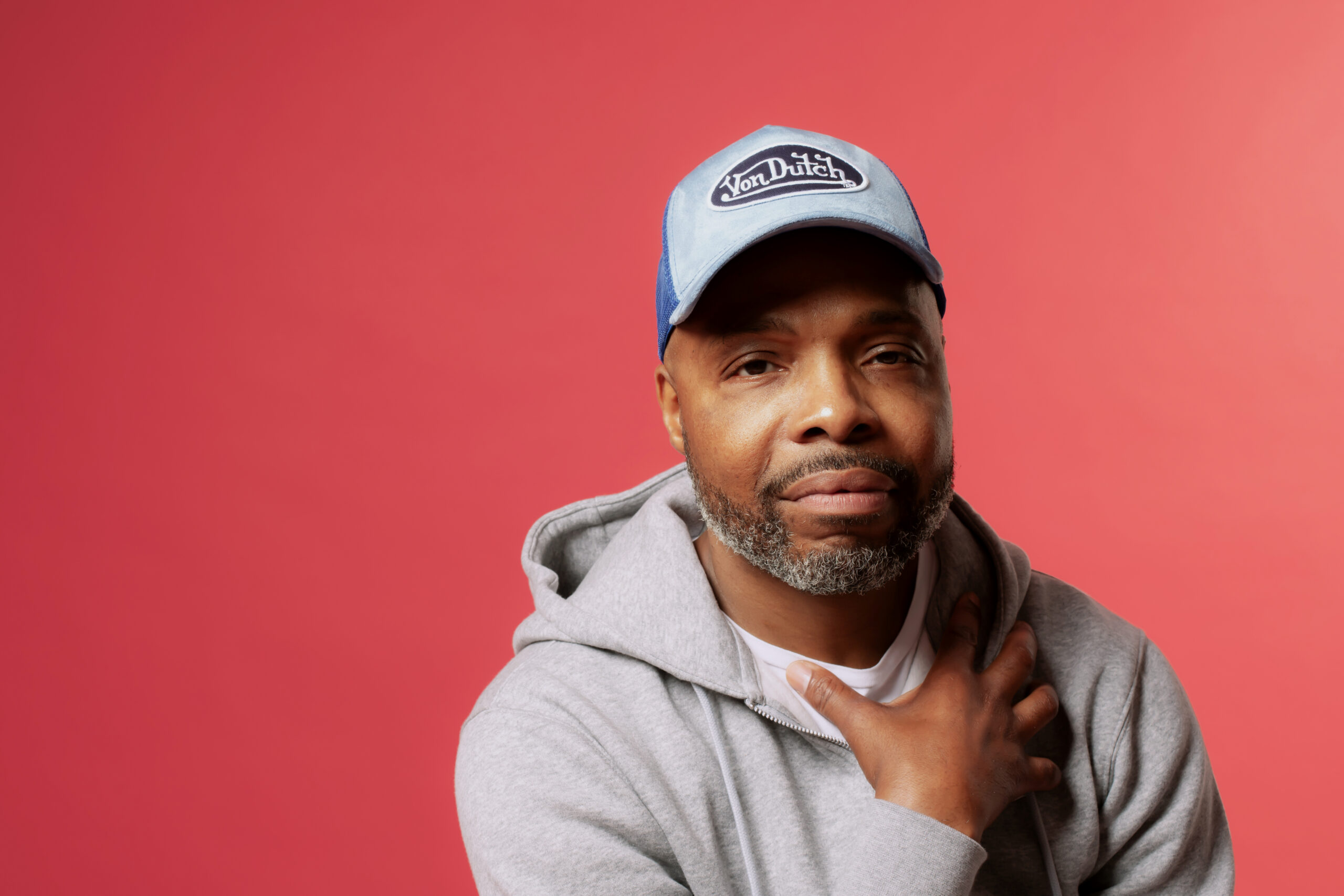
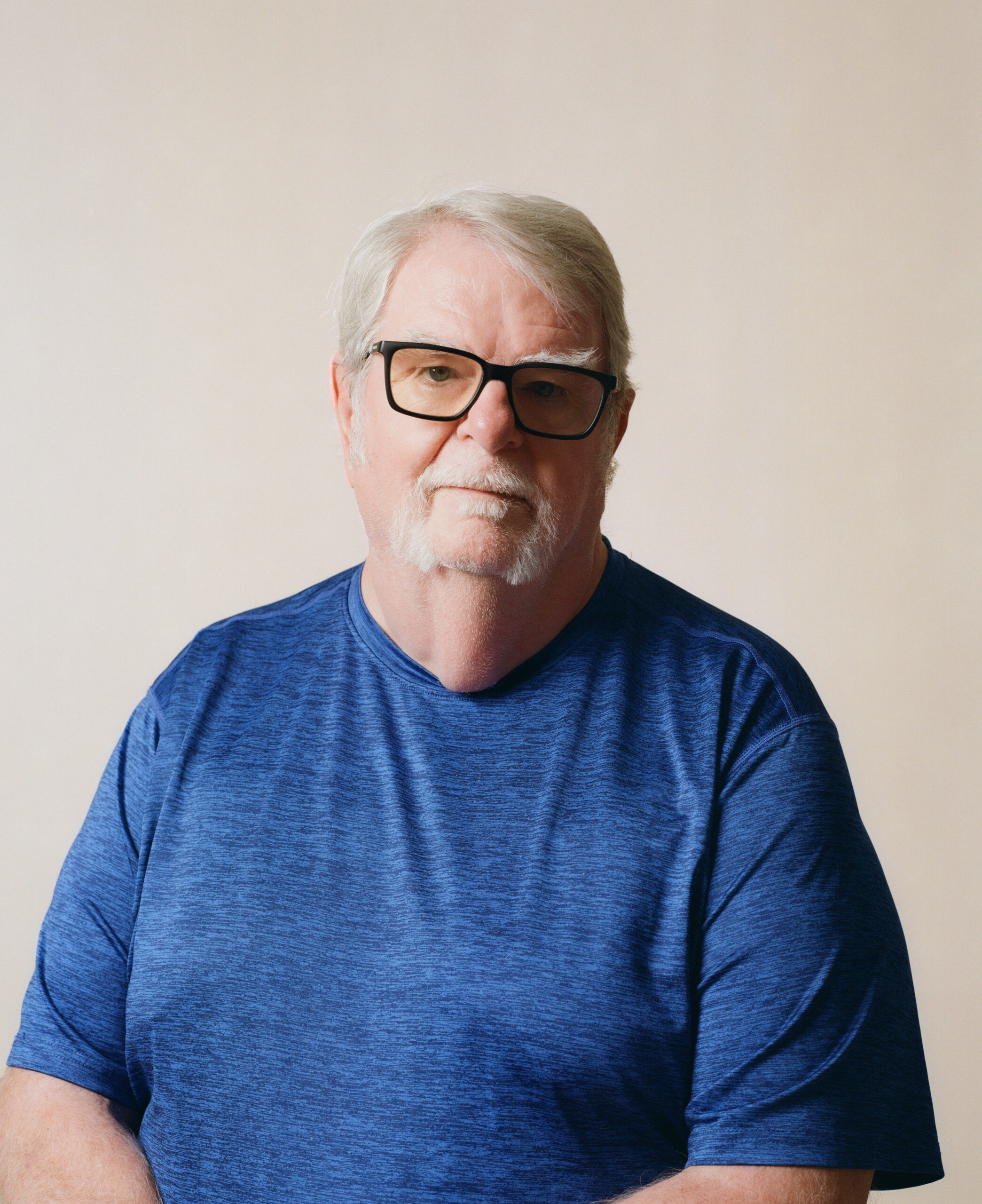
Termaine Hicks
19 YEARS OF WRONGFUL CONVICTION
They took the most precious commodity from me, which was my time and opportunity. Lord knows who I could have become if two decades of time was not taken from relationships with my family, meeting new people, significant others. They took my voice and my agency, and of course, peace of mind.
(Image: Mary Kang for the Innocence Project)
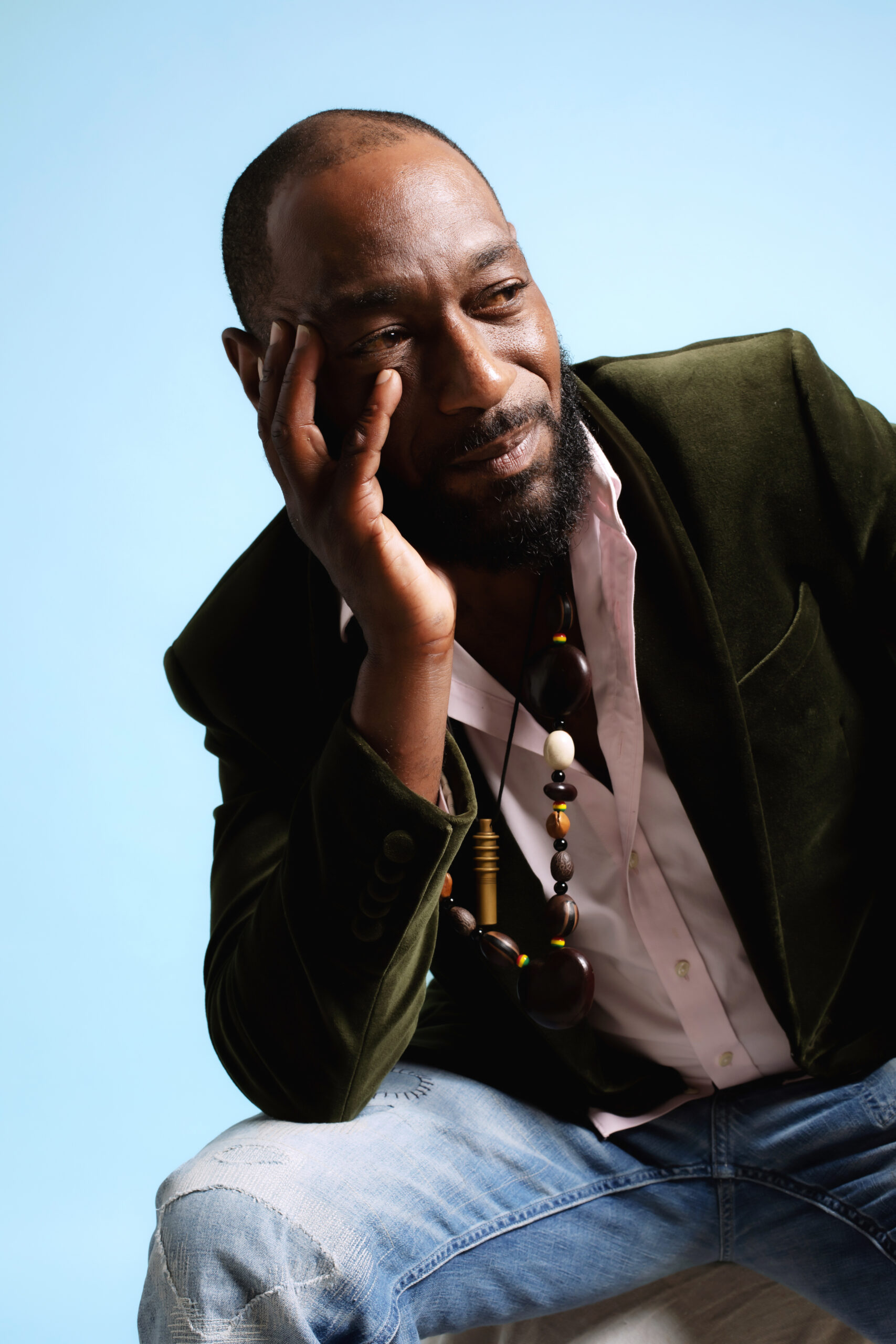
Marvin Grimm, Jr.
45 YEARS OF WRONGFUL CONVICTION
I was 20-years-old, married, had served in the Navy, my son was just born — I had my whole life ahead of me. In prison, I couldn’t do anything. I couldn’t go where I wanted, couldn’t spend any holidays with my family. My wife divorced me, I lost my son. I missed all my nieces’ and nephews’ weddings. My mom, sister, and dad passed — and I couldn’t even go to their funerals. All I could do was sit around in a cell. And I just focused on proving my innocence.
(Image: Mary Kang for the Innocence Project)
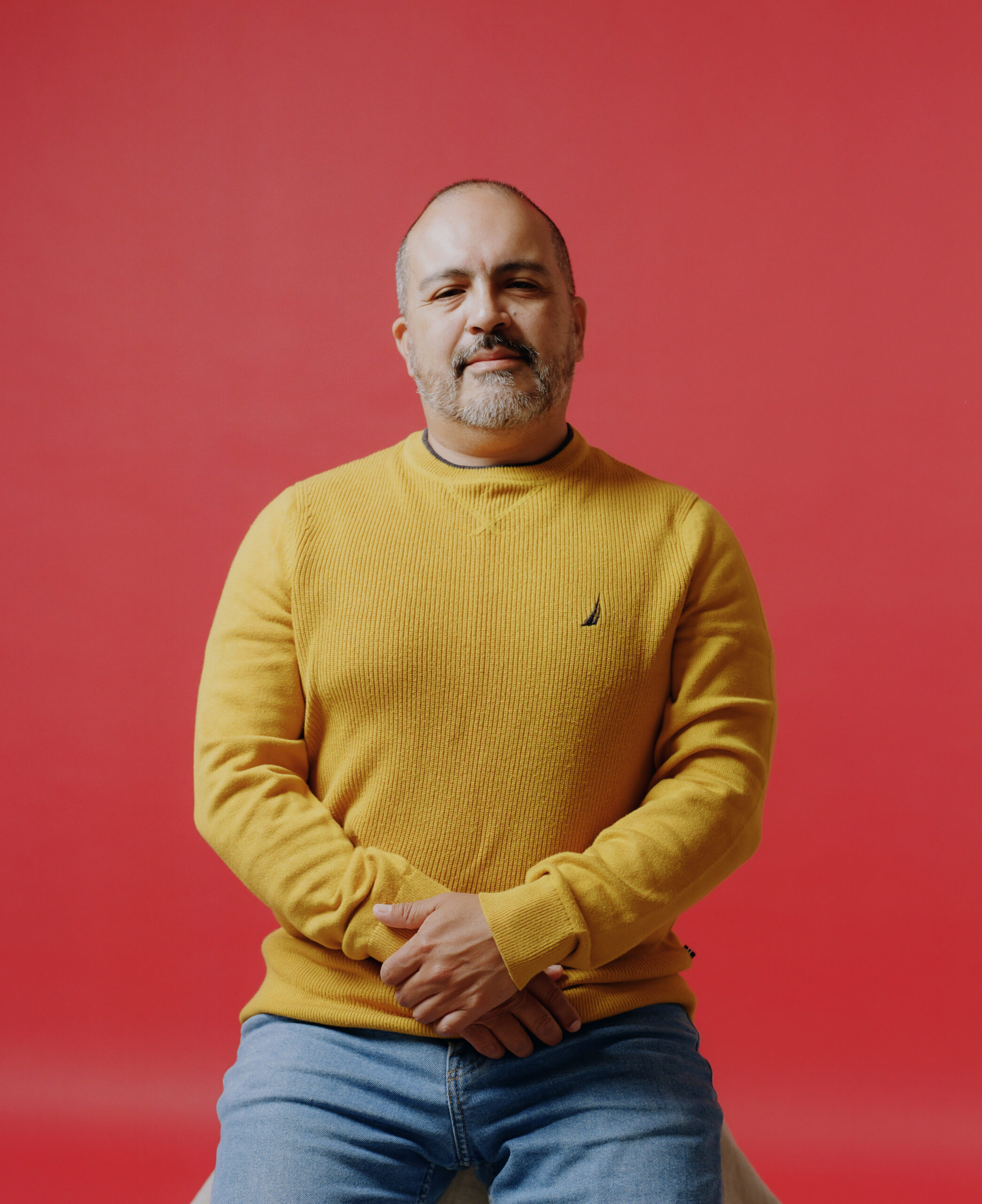
Huwe Burton
29 YEARS OF WRONGFUL CONVICTION
In 1989, I came home and discovered my mom had been murdered. I called the authorities and three days later, I became the prime suspect. I was 16, I was a kid. Wrongful conviction robbed me of the rest of my education and just the development of a teenager going into young adulthood. Those are such pivotal times, and to spend those years in prison wrongfully convicted … It takes a lot from you. You spend so much time after that trying to put the pieces back together.
(Image: Mary Kang for the Innocence Project)
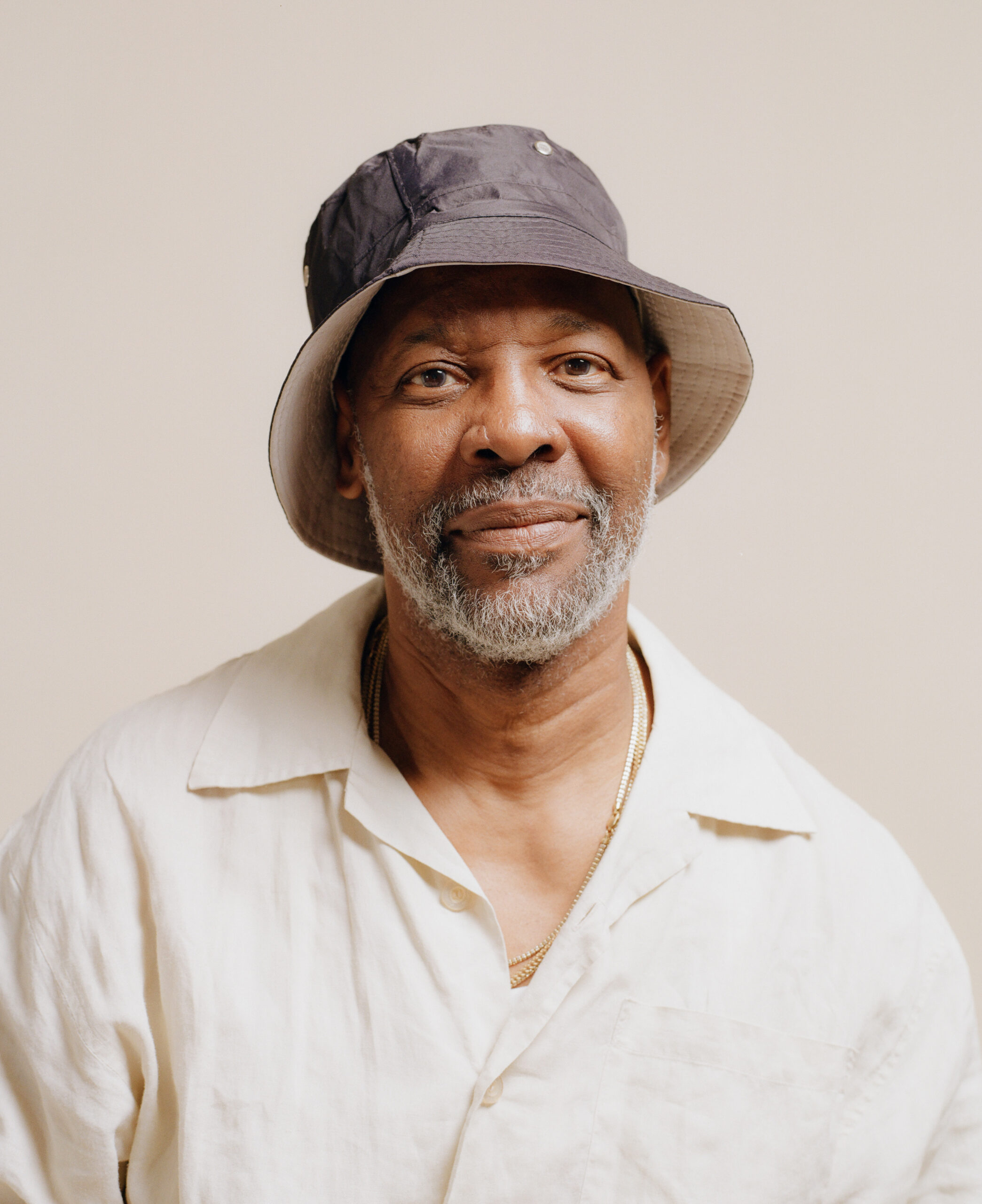
Carlos Sanchez
25 YEARS OF WRONGFUL CONVICTION (AND COUNTING)
I lost the freedom of youth. I lost that time in my 20s, where maybe I would have done some reckless stuff that I would maybe regret, but I also would have had those memories now. For example, I saw a beautiful motorcycle for sale the other day — but I’m 50 now. If I was 20, maybe I would buy it, and have those experiences, and not worry as much that if I get hurt I’m not just going to recover.
(Image: Mary Kang for the Innocence Project)
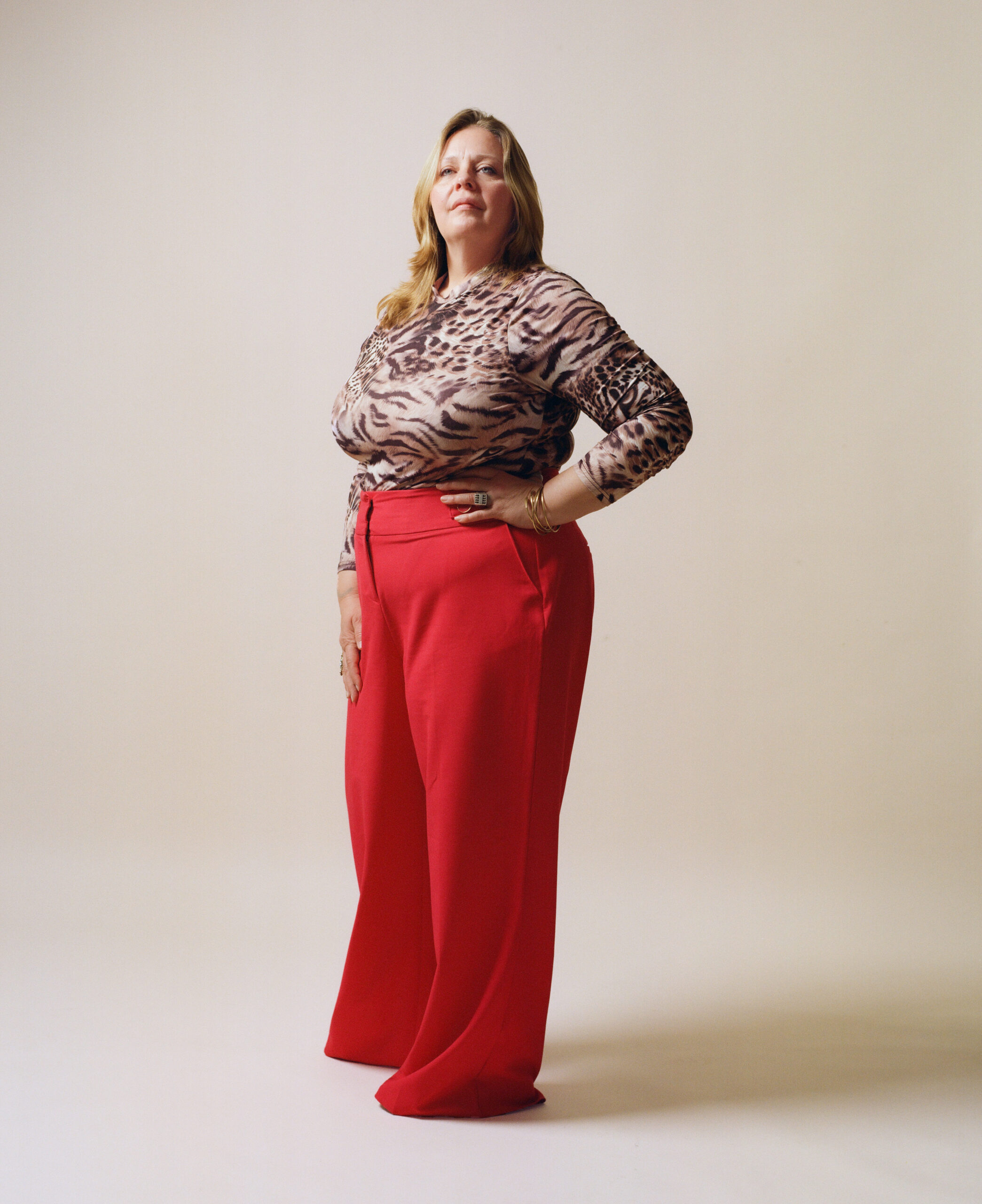
Eric Kelley
22 YEARS OF WRONGFUL CONVICTION
I lost everything. I missed being out on being around my daughters, my family. I can never get back the time I lost, and that hits you after a while. At one time, my brother didn’t even think I was going to make it out of this situation. A lot of people didn’t, but I proved a lot of people wrong. I fought.
(Image: Mary Kang for the Innocence Project)
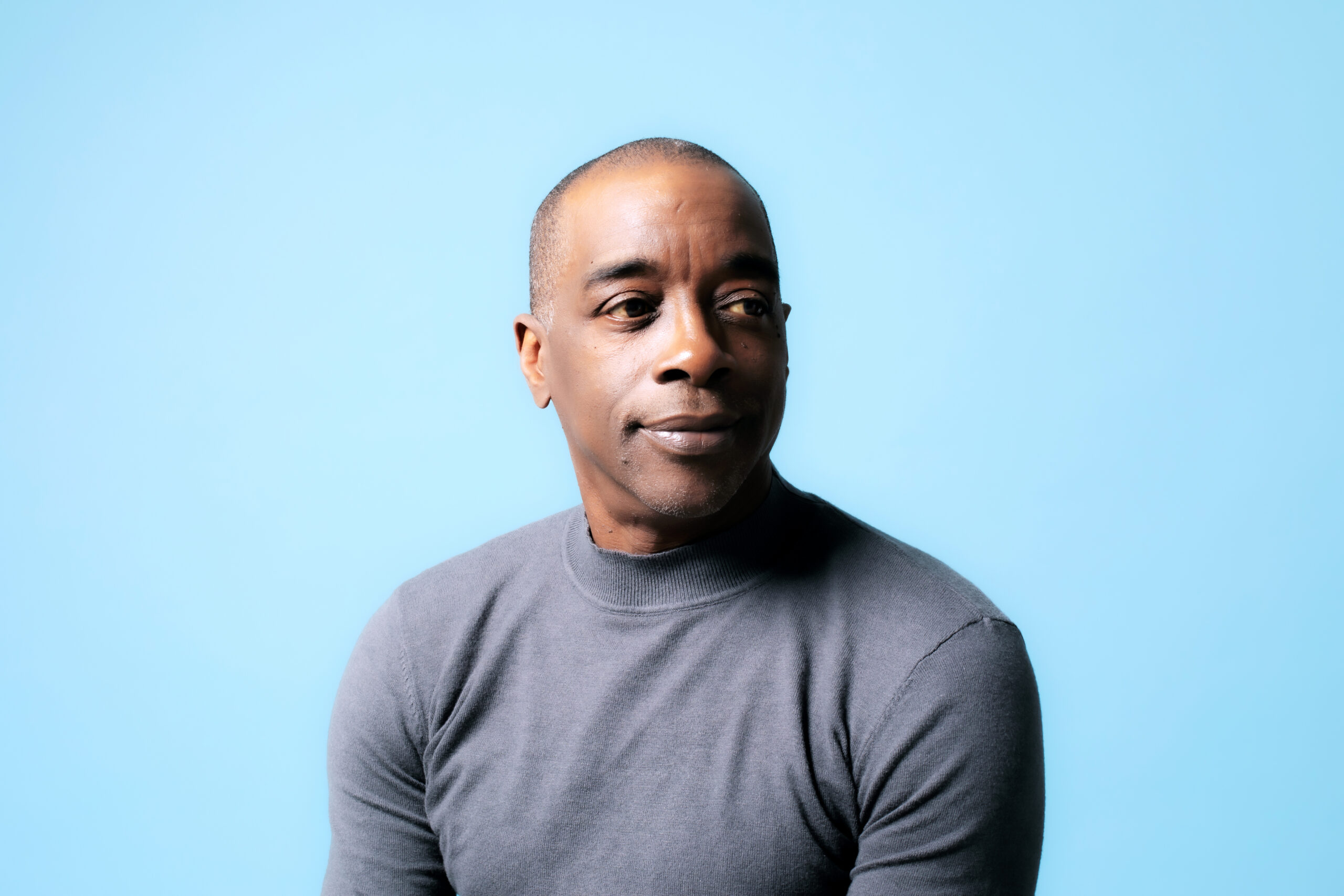
Michelle Murphy
20 YEARS OF WRONGFUL CONVICTION
In what ways did it not steal my freedom? It didn’t just take my freedom, it took the opportunity to see my daughter grow up, the opportunities to further educate myself, to work in this world and just be free. I wanted to start my own business. I had dreams of sharing my traumas from my childhood to help other kids, but it all stopped at 17 when my son was brutally murdered and I was wrongly convicted. In prison, I got my GED and I was able to get horticulture skills and such, but I wasn’t able to go further than that.
(Image: Mary Kang for the Innocence Project)
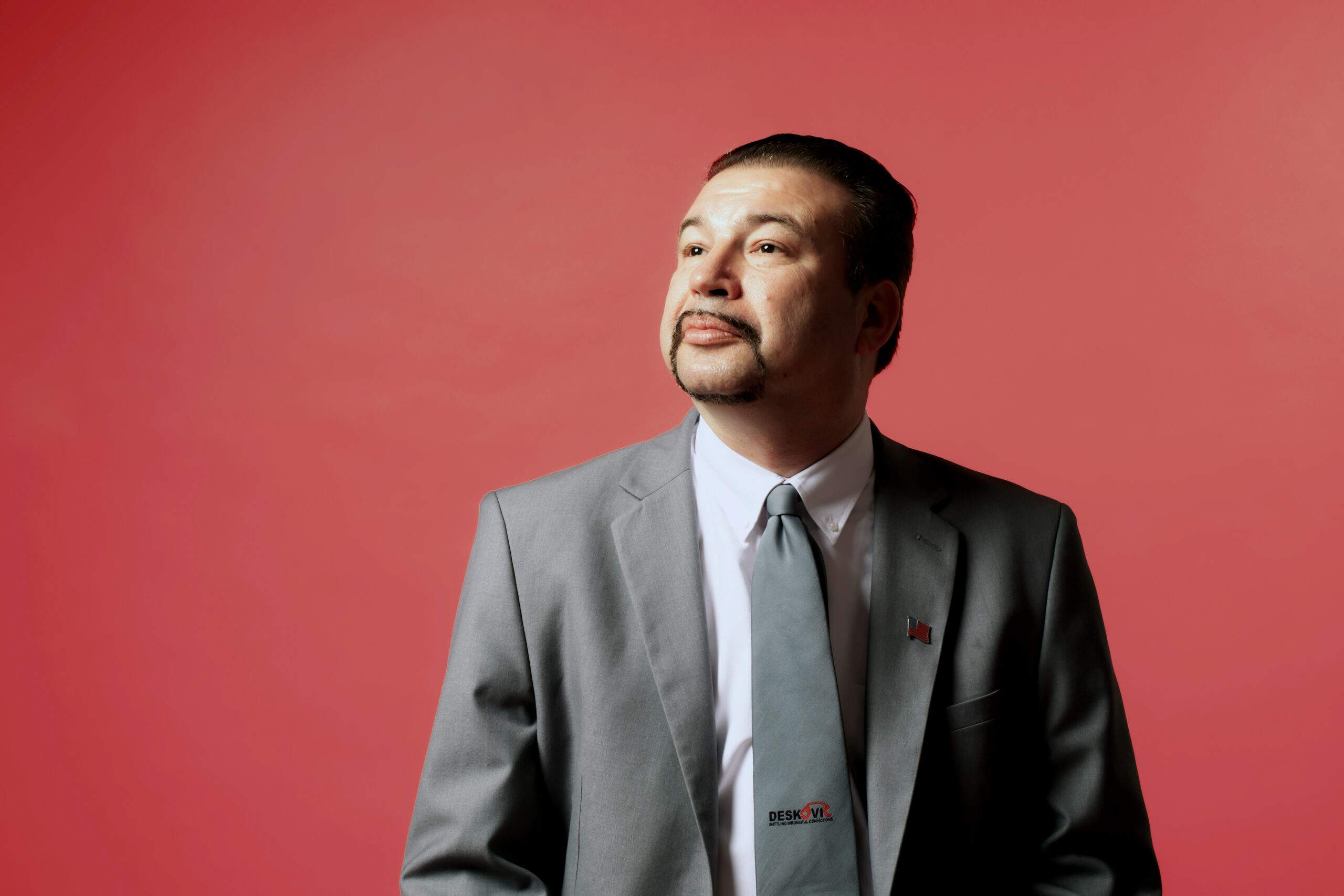
Alan Newton
21 YEARS OF WRONGFUL CONVICTION
It’s those little types of things that I missed out on. Other people were able to live their life, have their jobs, retire, live an ordinary life, whereas mine was interrupted. All of my friends is grandparents. I had my first child at 50 years old after my wrongful conviction. So I’m still waiting to become a grandparent.
But I think about if I was in a lot of other countries, I might have never made it home, and I thank God that the American justice system that wrongfully convicted me was also able to exonerate me.
(Image: Mary Kang for the Innocence Project)
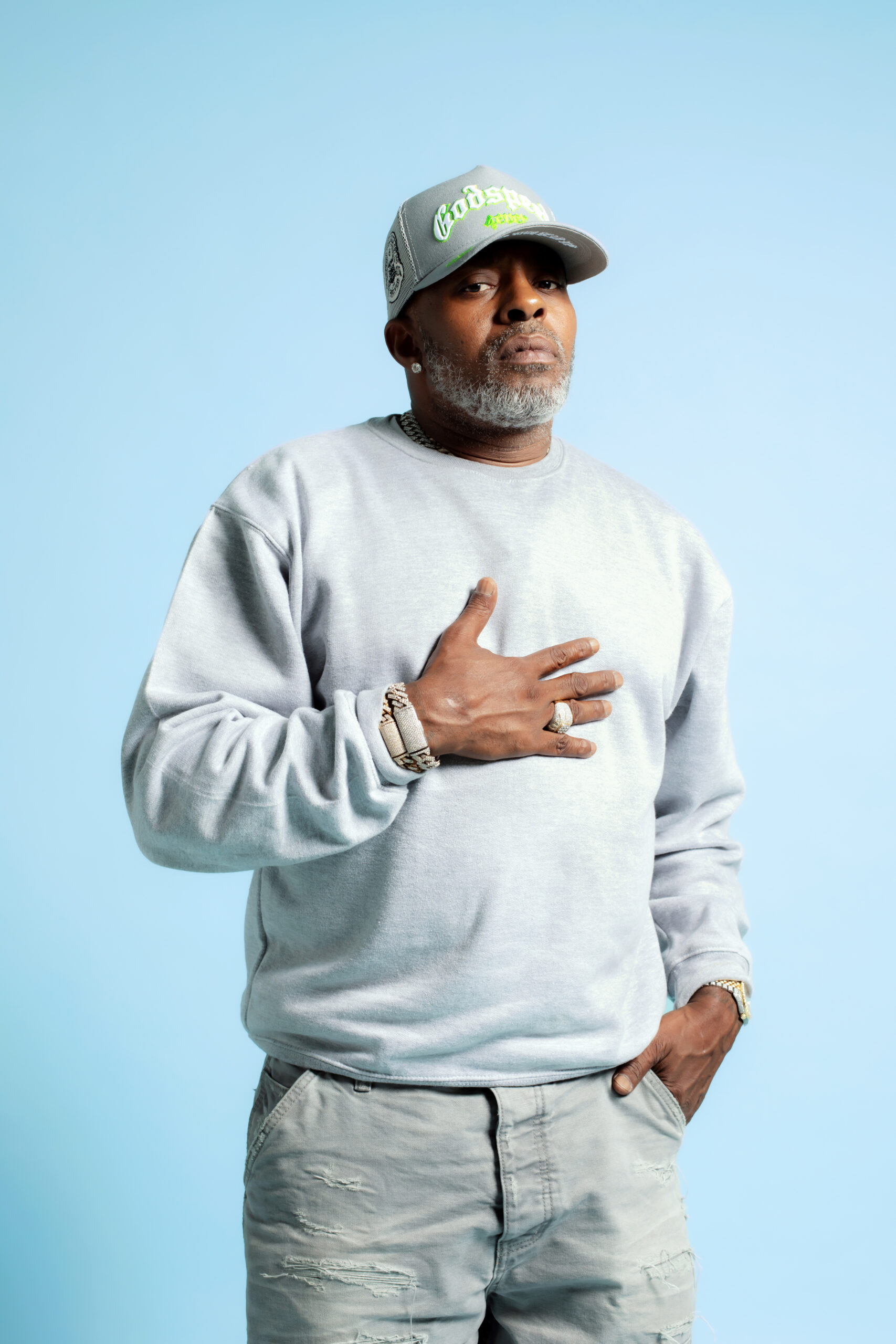
Jeff Deskovic
16 YEARS OF WRONGFUL CONVICTION
I was in prison from age 17 to 32, so I missed out on so many things during those developmental years. I missed births, deaths, weddings, various rites of passage. I didn’t graduate high school, didn’t go to prom.
And what I missed out on became so clear when I was exonerated and released at 32 and I had never lived on my own before or had a driver’s license. I’d never gone shopping, never wrote a check, never balanced a budget.
(Image: Mary Kang for the Innocence Project)
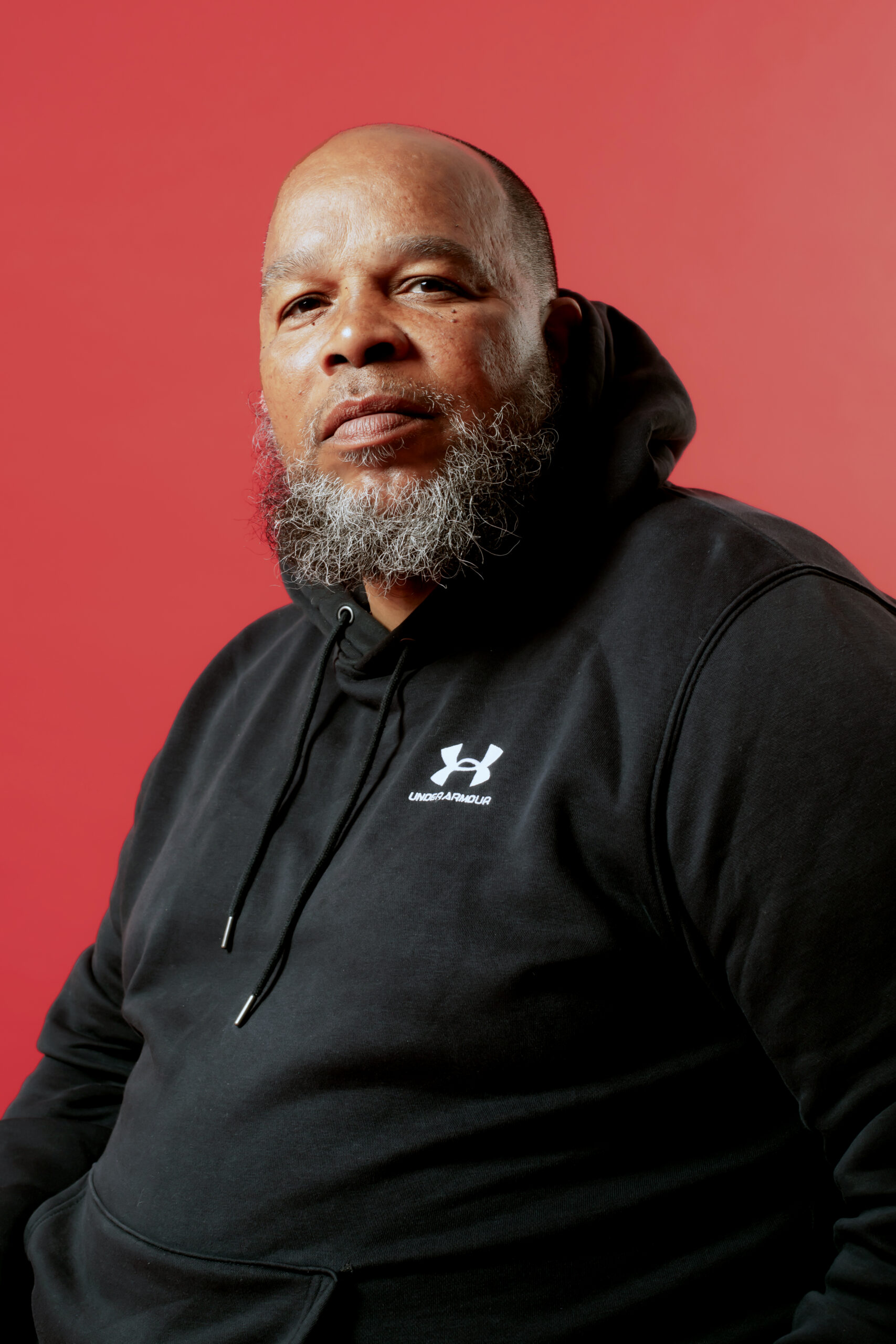
Jabar Walker
25 YEARS OF WRONGFUL CONVICTION
I grew up in the community of the “Dirty 30” precinct where police weren’t kind to us. They had a reputation at that time for framing and extorting people, things like that. So when I got charged, I just felt like it was a lost cause — I was just another part of what had been going on.
My daughter was born just before I got locked up. I’d always wanted kids, and wrongful conviction took the freedom to raise my kids. It took the freedom to be human. It’s hard to be humanized in that very toxic environment.
I feel like I was deprived of that and the freedom to just reach my highest potential.
(Image: Mary Kang for the Innocence Project)
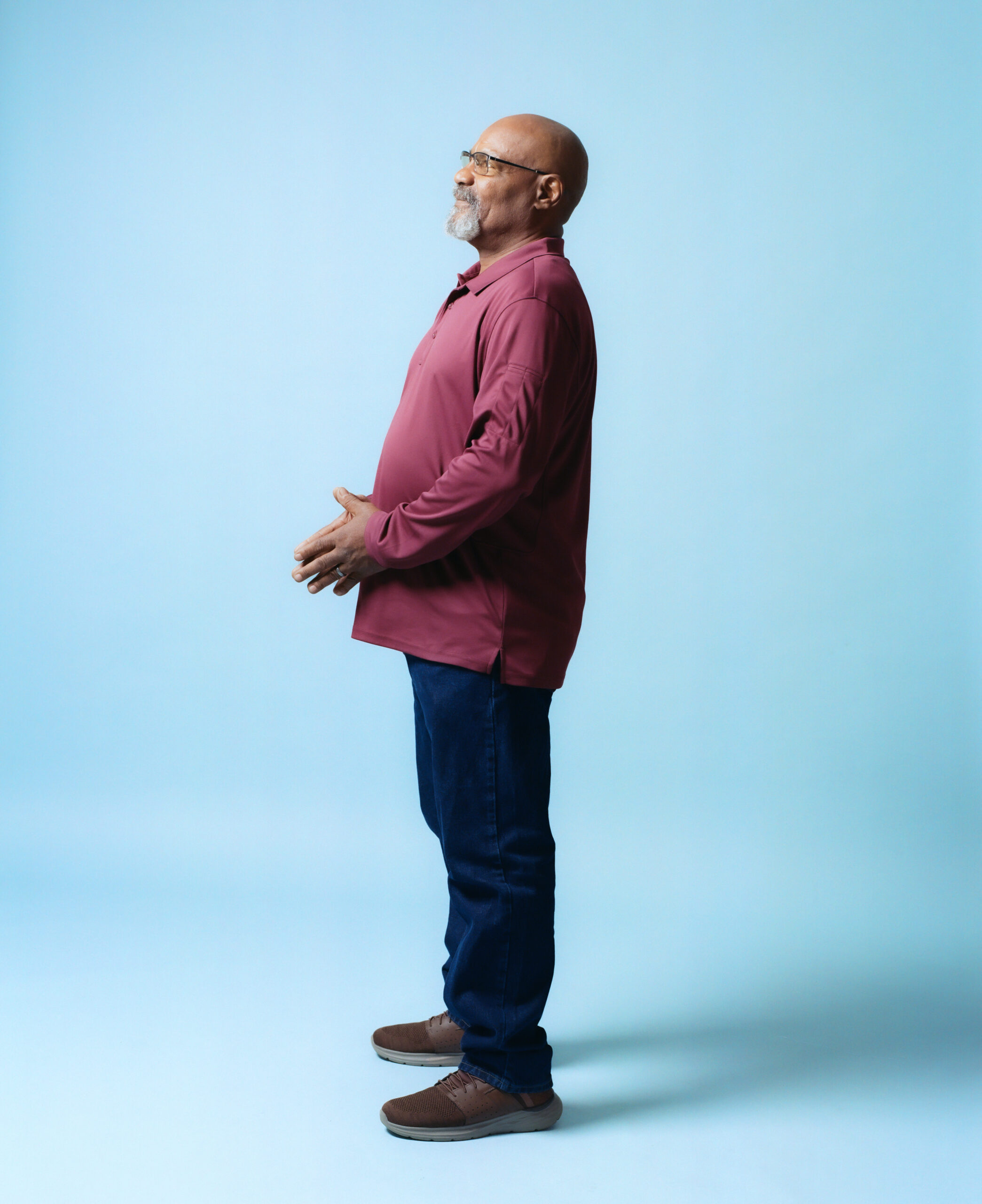
Gerard Richardson
19 YEARS OF WRONGFUL CONVICTION
It’s hard sometimes. We might come home and look alright on the outside, but we’re still damaged in the inside from going through the stuff that we went through. When I got wrongfully incarcerated I had six kids — three girls, three boys. My oldest then was 11. So I ain’t get a chance to see them grow up, I missed the important years of their life and being able to help raise them. They needed their father in their life and I couldn’t help them and be that figure, some of my boys ended up getting in trouble and getting locked up. I didn’t get the chance to see some of my grandkids when they was born and when I came home they were teenagers.
When I first went to prison, my mother asked me: How much time do you have to do? I told her 30 years. She said: By the time you do 30 years, I’ll be dead. I said, no, you won’t. You’ll get to see me come home. And when I was exonerated, my whole family was there in the courtroom, including my mother. She passed away this Easter Sunday, and I’ve been home 13 years, so I had some time with her, but I wish I had more. I miss her just about every day.
(Image: Mary Kang for the Innocence Project)
Marvin Anderson
20 YEARS OF WRONGFUL CONVICTION
Wrongful conviction took my freedom to have a family at a decent age and to live a normal life. I was just 18 when all this happened and when I got out I was 34, so I didn’t live a proper becoming-a-man life. And it took the right to basically get a job. When all this happened I had just applied for the fire academy, and when all this happened I couldn’t do that. I was on parole four years before I was exonerated. So I still had this conviction and every job application asked if you had been convicted of a felony and if you put “yes,” you wouldn’t get hired.
Eventually, I was able to accomplish some of the things that I wanted when I was growing up. I had a late family — I have three kids and five grandkids — and I did go through the fire academy, graduate, and went back to the fire station that I was in before this all happened. Eventually I became the chief.
- “Freedom
- is not
- a state;
- it is
- an act.
- It is not
- some enchanted garden perched high on a distant plateau
- where we can
- finally
- sit down
- and
- rest.”
PART II: A Promise Restored
As the late civil rights leader and congressman John Lewis said, “Freedom is not a state; it is an act. It is not some enchanted garden perched high on a distant plateau where we can finally sit down and rest.”
This is profoundly true for people reclaiming their freedom after years of wrongful conviction. It is a testament to the extraordinary resilience of so many exonerated people, that they have rebuilt their lives in a world that had vastly changed after so much time behind bars. Yet, it is in everyday acts of hope, joy, and love — in spite of unimaginable injustice — that they carry out the “act” of freedom.
They are today a retired fire chief. A poet and writer. A doting grandmother. A local business owner.
In their own words, they share what it means to reclaim their right to life, liberty, and the pursuit of happiness in America today.
(Image: Mary Kang for the Innocence Project)
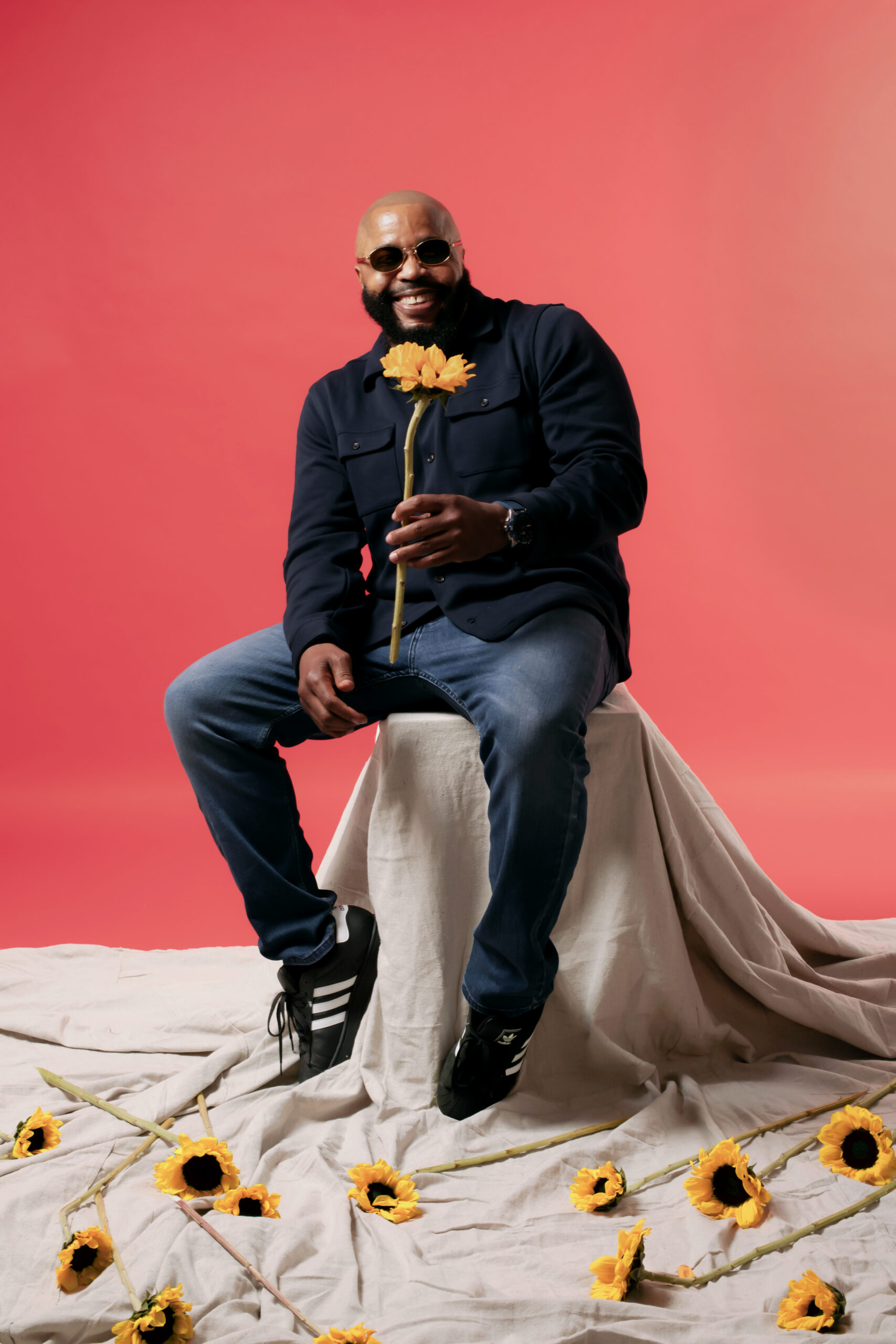
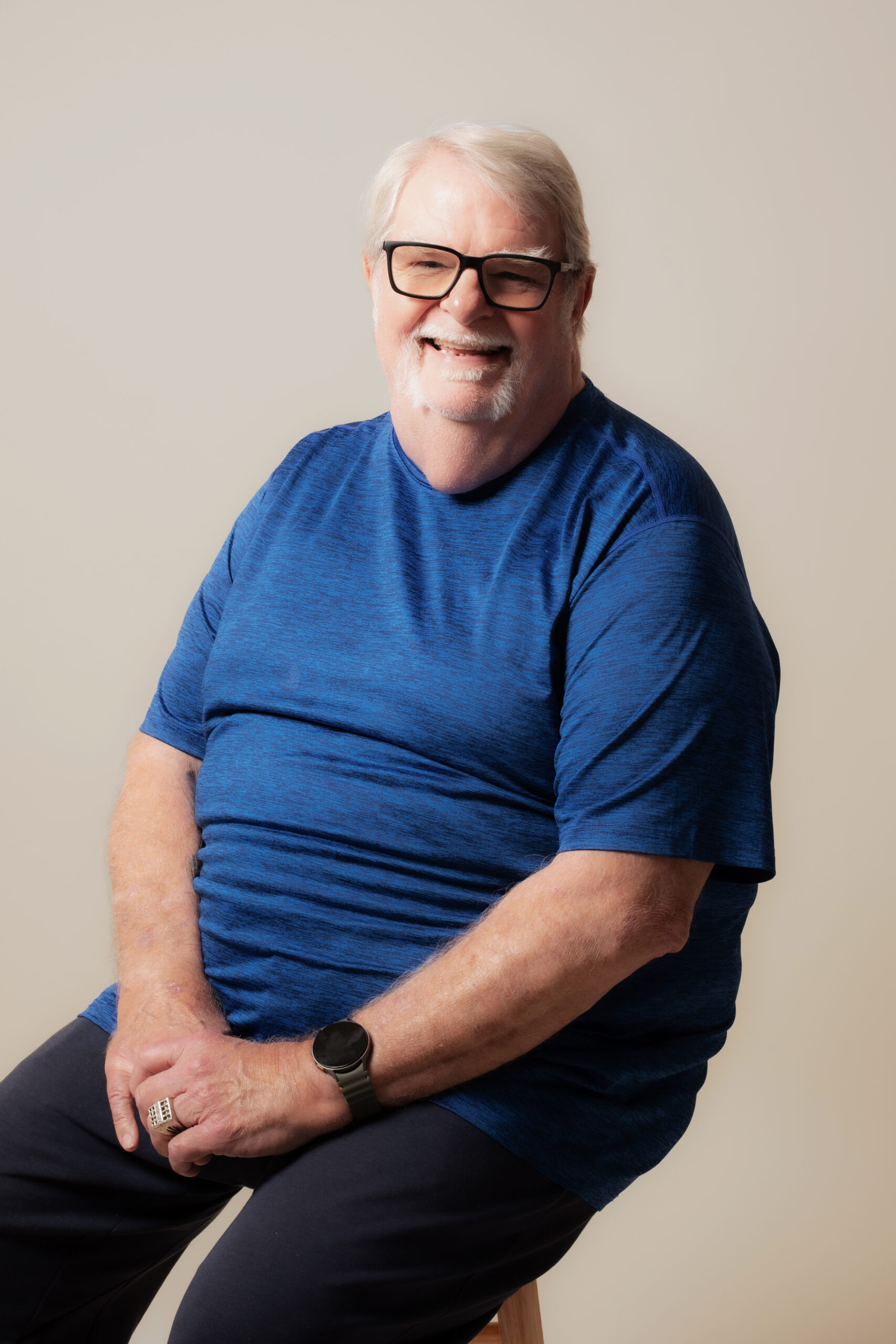
Norberto Peets
3 YEARS OF FREEDOM
Being able to go to the refrigerator, get out of my bed, sit and watch TV, do what I want in my house — those are the things that make me feel like, yo, I’m free. Like being able to drive a car and go places. Not having to wear a uniform or wait for an officer to tell you to get up. All that kind of stuff that we take for granted.
People don’t know the value of freedom until they lose it — especially when you lose it and you’re innocent. So every little thing reminds me that freedom is a very important thing.
(Image: Mary Kang for the Innocence Project)
Marvin Grimm, Jr.
2 YEARS OF FREEDOM
When my attorney called to tell me I’d been exonerated, I felt disbelief. After nearly 50 years, the fight’s over with — now what do I do? It was almost like I didn’t have a goal in life anymore.
I remember I was in the car when she told me I was no longer on probation and they were taking me off the sex offender registry. And I went straight to Hardee’s and got a meal with my sister. Then that night, I went out to a nice restaurant with some friends and I had my first sip of alcohol in almost 50 years.
I am finally coming to the realization that I no longer have those restrictions. One way I’ve felt the freedom to express myself is being able to buy what I want — not just the cheapest thing — and being able to make donations to church and nonprofits.
Some people may think that’s not freedom, but it is when you haven’t been able to do it for 50 years.
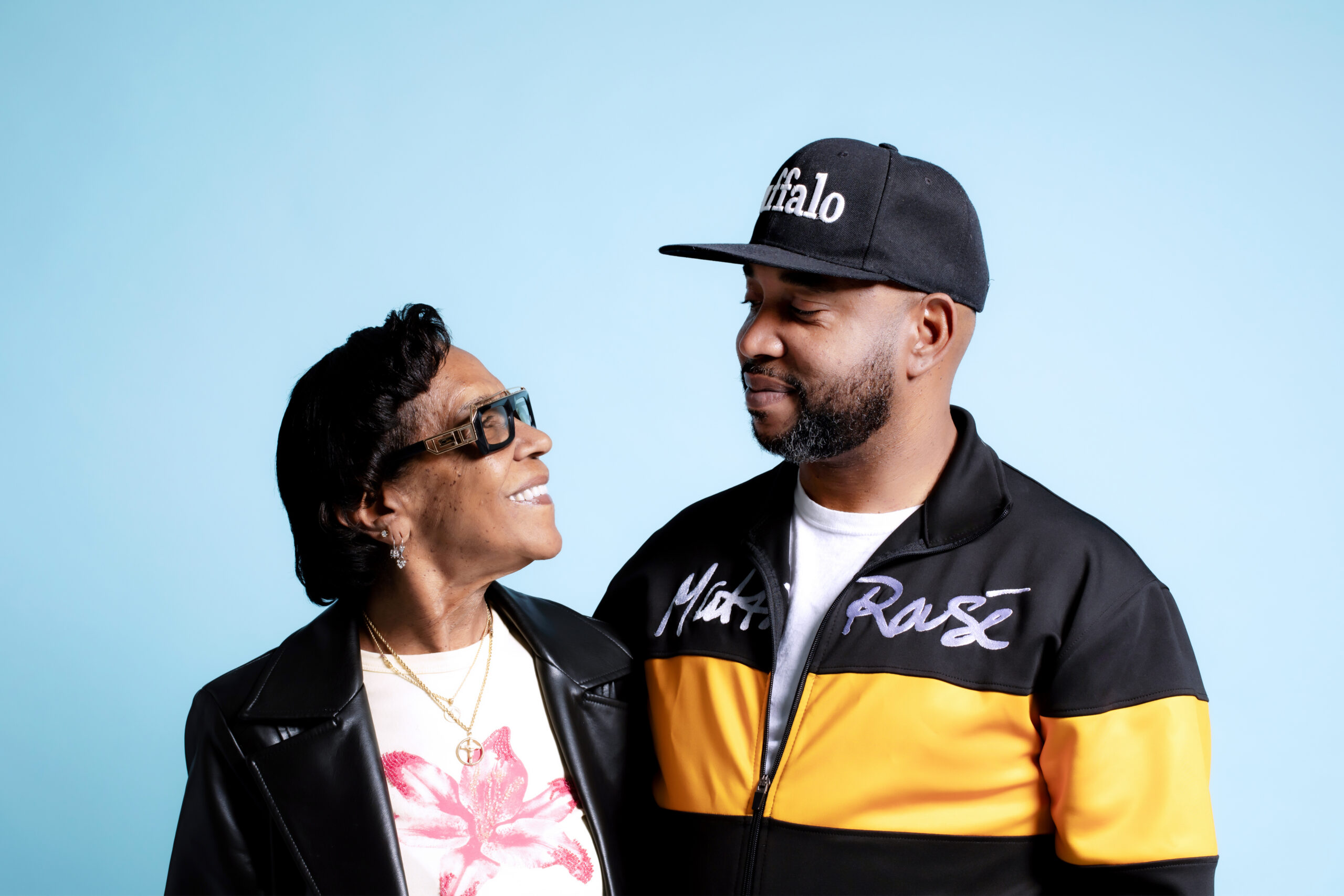
Renay Lynch and her son, Rinaldo Ray Moss. (Image: Mary Kang for the Innocence Project)
(Image: Mary Kang for the Innocence Project)
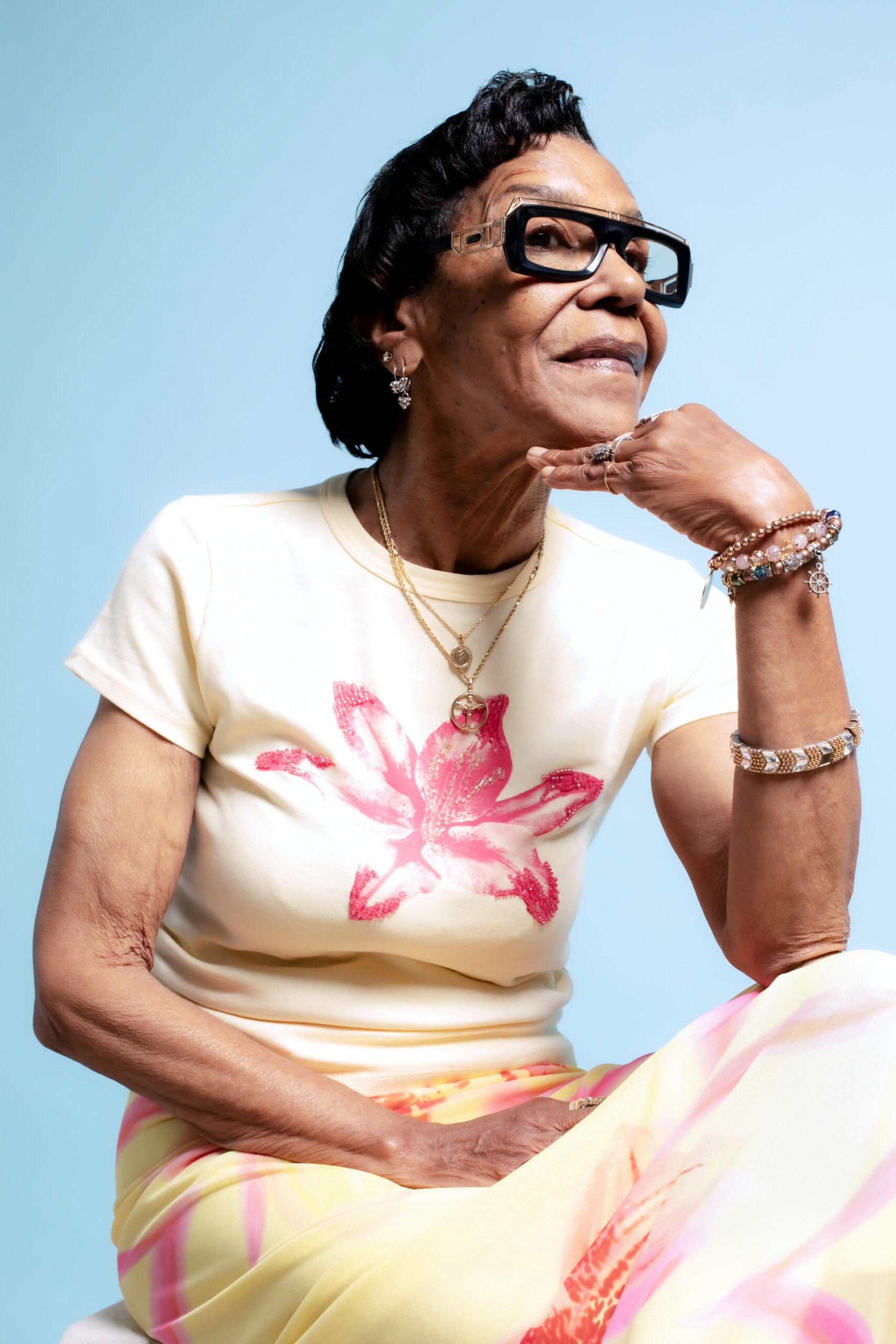
Renay Lynch
2 YEARS OF FREEDOM
Walking out of those prison gates was surreal. It didn’t register in my mind: Renay, you’re free. I was so accustomed to being ordered and told what to do, asking for permission. I was very paranoid — even to this day, I’m still a little paranoid. I had been used to this very structured environment
At first I had a lot of anxiety and panic attacks and what helped me to get through it was talking to psychologists and psychiatrists, and to this day I still do. I still haven’t quite adjusted to re-entering society — I don’t like being around crowds of people, but I just try and take it one day at a time, sometimes one second at a time.
Being with my children and my grandchildren really helps me to feel free and happy. Especially my youngest grandson — that little guy gives me a run for my money, oh my goodness, but being able to be with him, sing to him, that makes my heart so happy.
(Image: Mary Kang for the Innocence Project)j
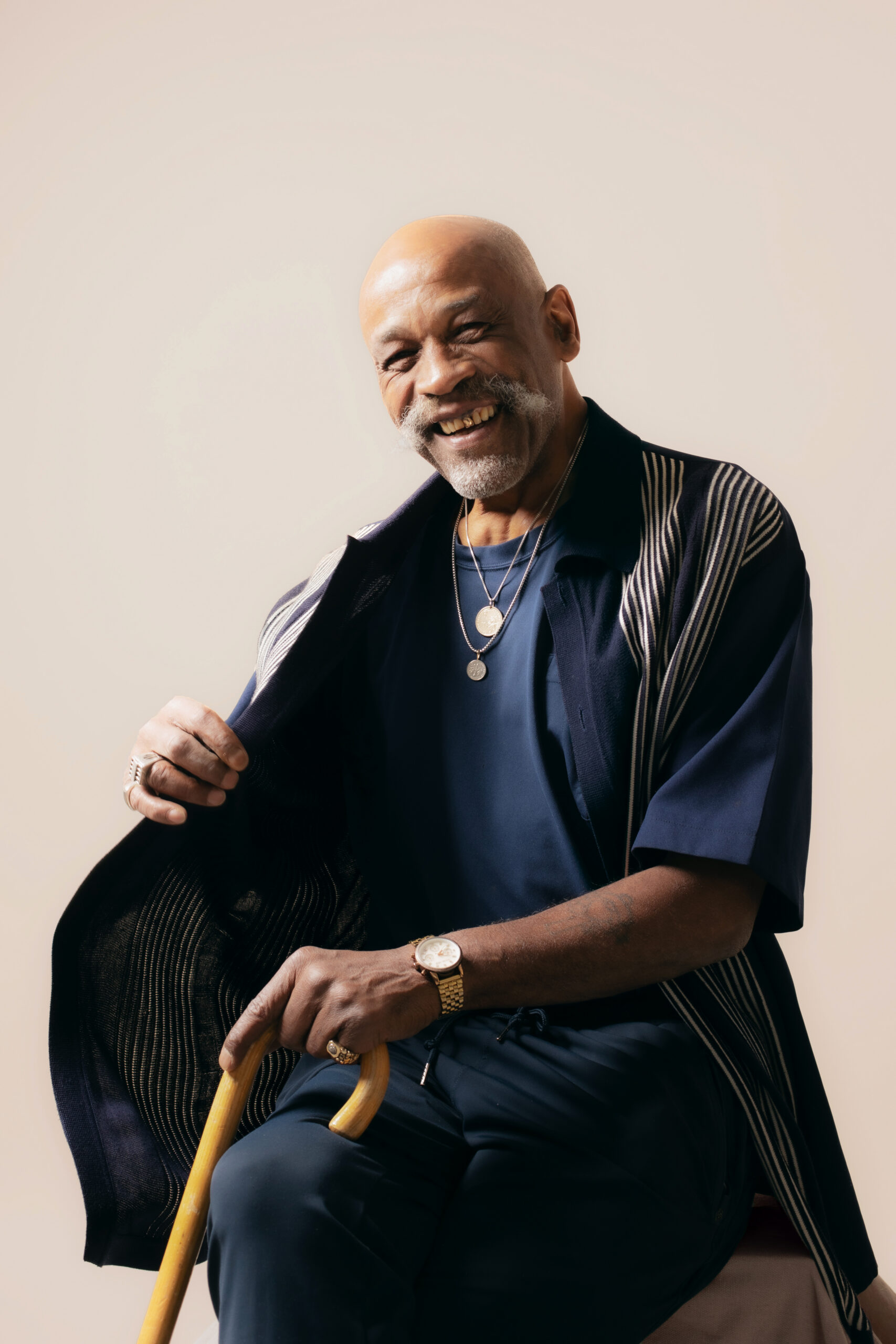
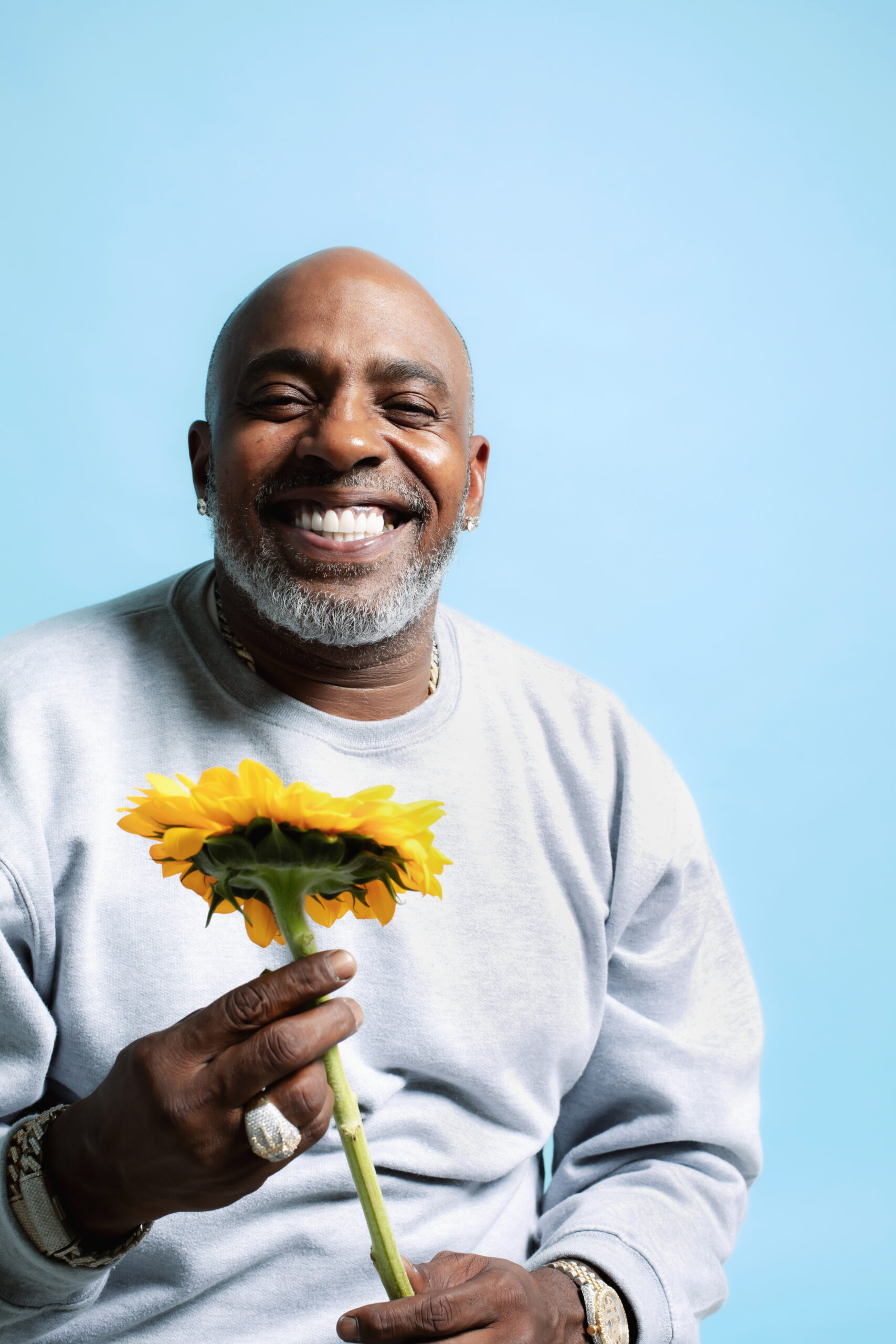
Perry Lott
3 YEARS OF FREEDOM
You know that laboratory test? You put a fruit fly in a glass and keep them there so long they don’t want to fly no more. That’s who you’re talking to. I don’t know what inspires me anymore, after all of that struggle, all that being misunderstood, being never heard. I think what would really fill my cup is to find a way to make a living doing the things I like doing like my poetry, my writing, having fun.
When I really let go is when I’m in a congregation at the church that I attend. It’s very boisterous and loud, but it’s a joy that I don’t get anywhere else. Just being in a crowd, being among people who I know are there for the reasons that I’m there for. And being at Innocence Project gatherings. Those are the only times I feel like I don’t have to watch my back. Once you’ve been accused and incarcerated and put in prison for this many years, you never trust anything again.
I want to travel — but you don’t want to do that solo. You have to find someone that you can actually share and care and walk with and agree with, somebody you can bounce off of. As far as what I want to do — I want some land, I want a home. I want to purchase or build something that I can say: This is my legacy.
(Image: Mary Kang for the Innocence Project)
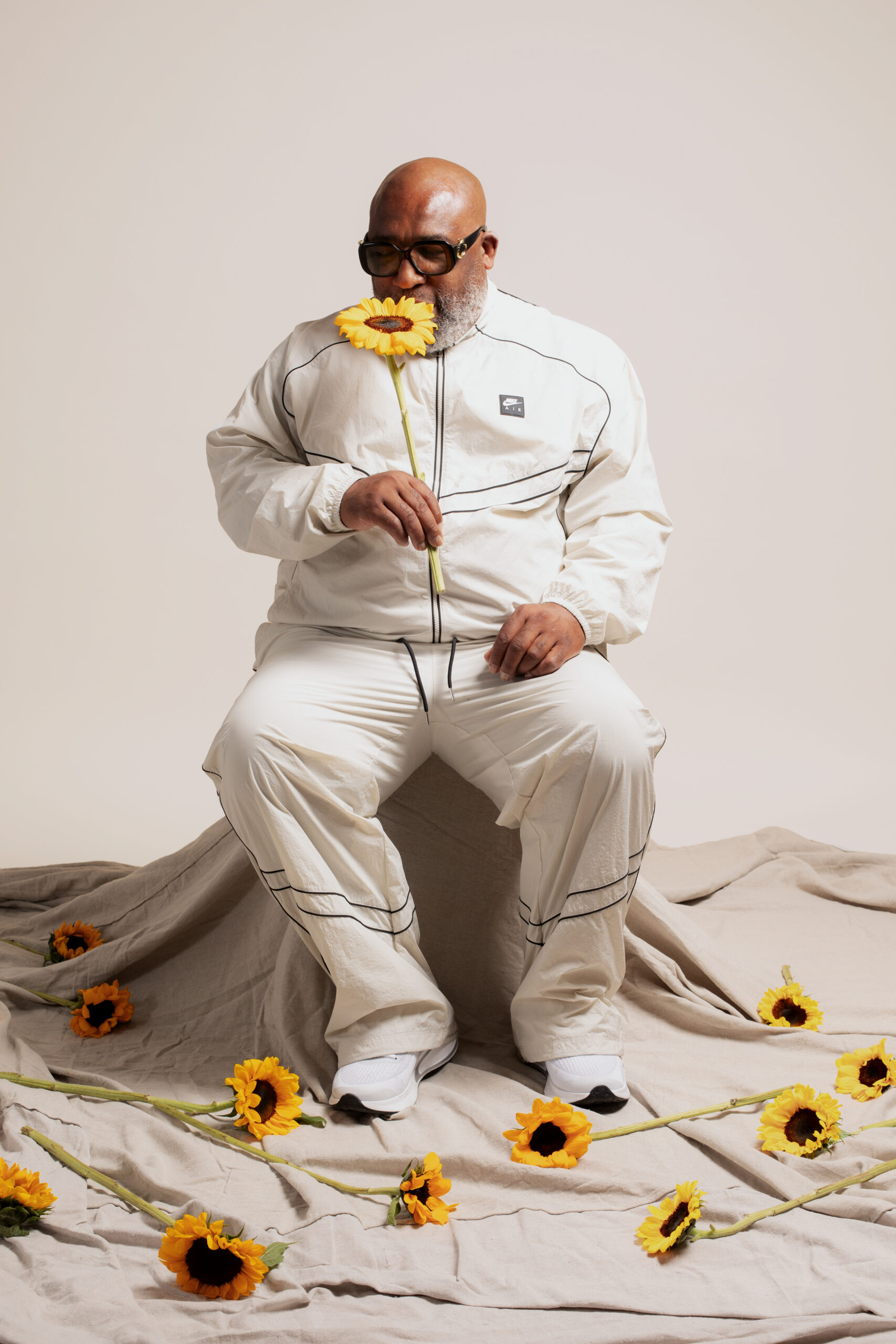
Jabar Walker
3 YEARS OF FREEDOM
I prayed on being free and imagined it for so many years that when that first moment of freedom happened it felt like another dream that I was afraid of waking up from. It did not feel real.
I came home to not having much, but I did eventually get compensated. And in one sense, I felt relieved, but a little upset at the same time because it didn’t come with an apology. It didn’t come with anybody taking accountability for stealing all of those years, for robbing me of watching my kids grow, and being with my mom. No amount of money makes up for what happened to me. But it enabled me to do something I’ve always wanted to do — open a business in my community.
(Image: Mary Kang for the Innocence Project)
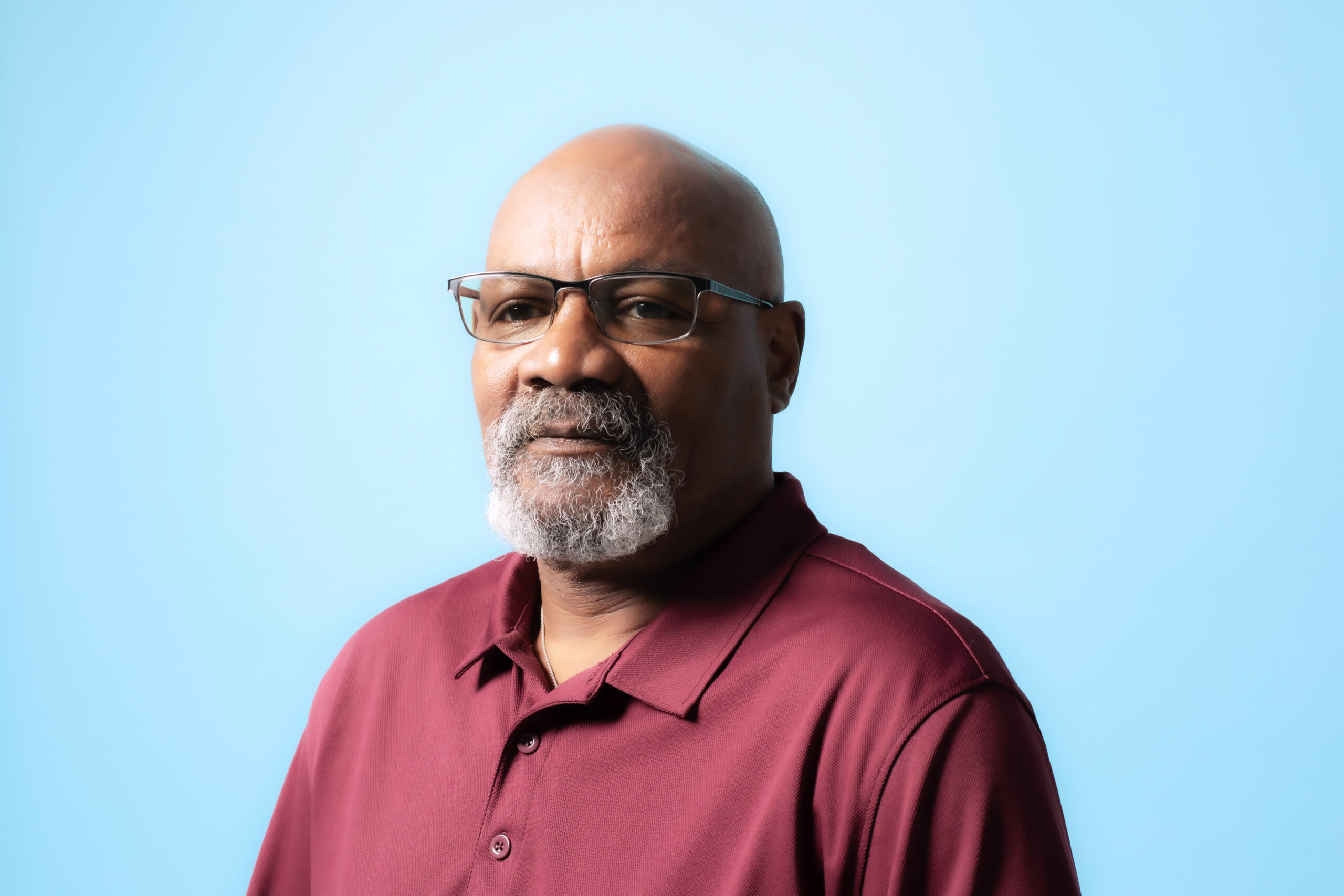
Tony Wright
10 YEARS OF FREEDOM
The moment they said "not guilty,” I felt my knees buckle. Crying. It's over, I am free. When I walked out of prison, just to breathe that different air on the other side of the fence and my family was all there. It was amazing. Even now, I am just laying on my bed. I'm not in some cell.
I don’t let that 25 years of wrongful conviction consume my life for one second, one minute, or one hour of any day now that that’s behind me. I’m moving forward. My family is what really makes me feel free. I got a big family. I just took my grandkids to the pool and I am going to take them to the waterpark tomorrow. They make me feel free, just to be able to wake up every day and spend this time with them
(Image: Mary Kang for the Innocence Project)
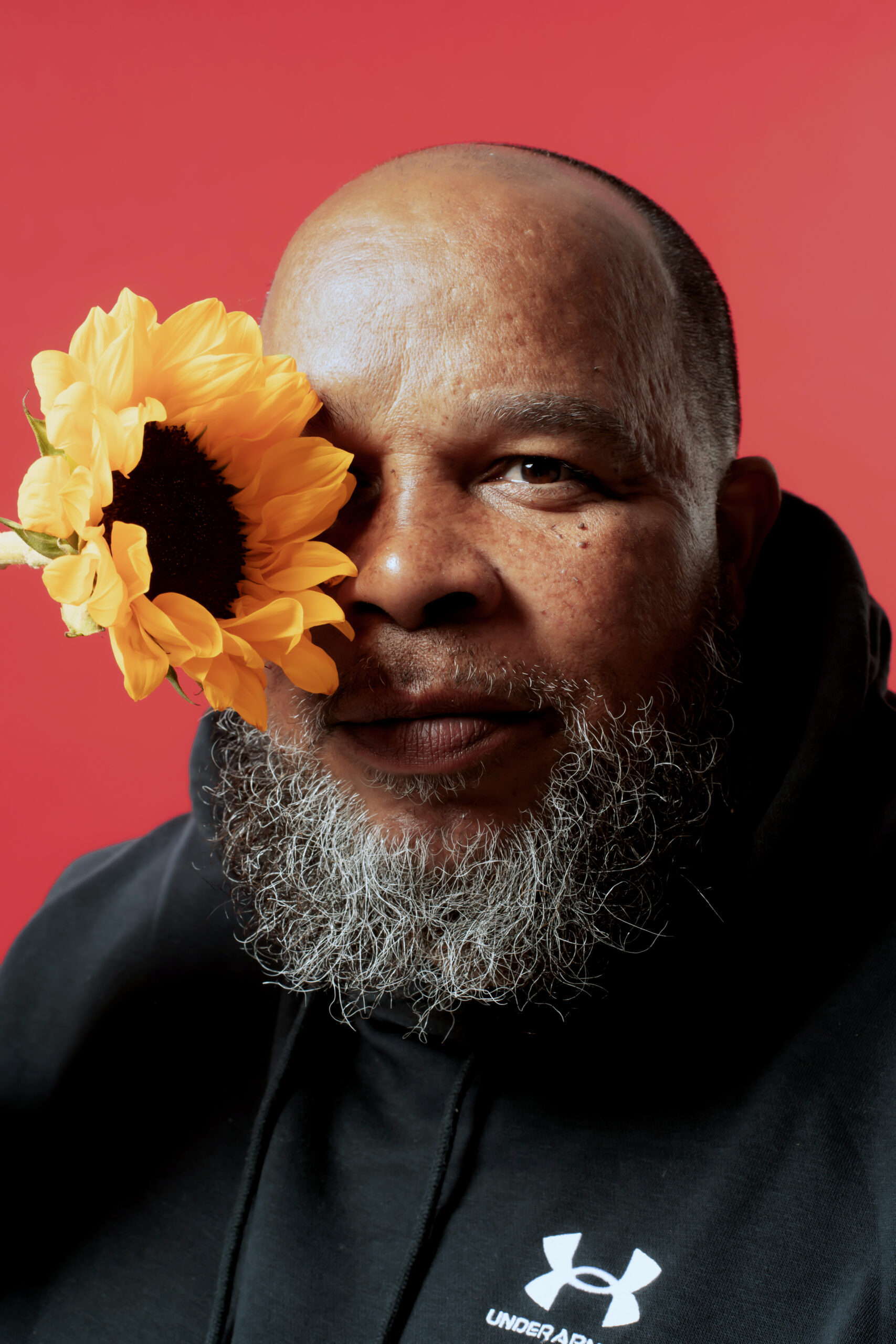
Marvin Anderson
24 YEARS OF FREEDOM
The day I was at the state capitol and they handed me that piece of paper and it was all over the news — that’s when I actually felt I was free. Like, hey, I’ve been telling you all this from day one, but now it’s nationally known that I didn’t do it.
Having that gave me a sense that I could move around more freely. But I really don’t consider myself truly free — granted I have been exonerated, all charges have been dropped or removed from my record, but just the fact that what happened to me during that time can still happen today because our criminal justice system is broken and there’s a lot of pushback when we try to fix it. I’m still trying to live a normal life as best as I can, but I’m more aware of how our justice system is broken
(Image: Mary Kang for the Innocence Project)
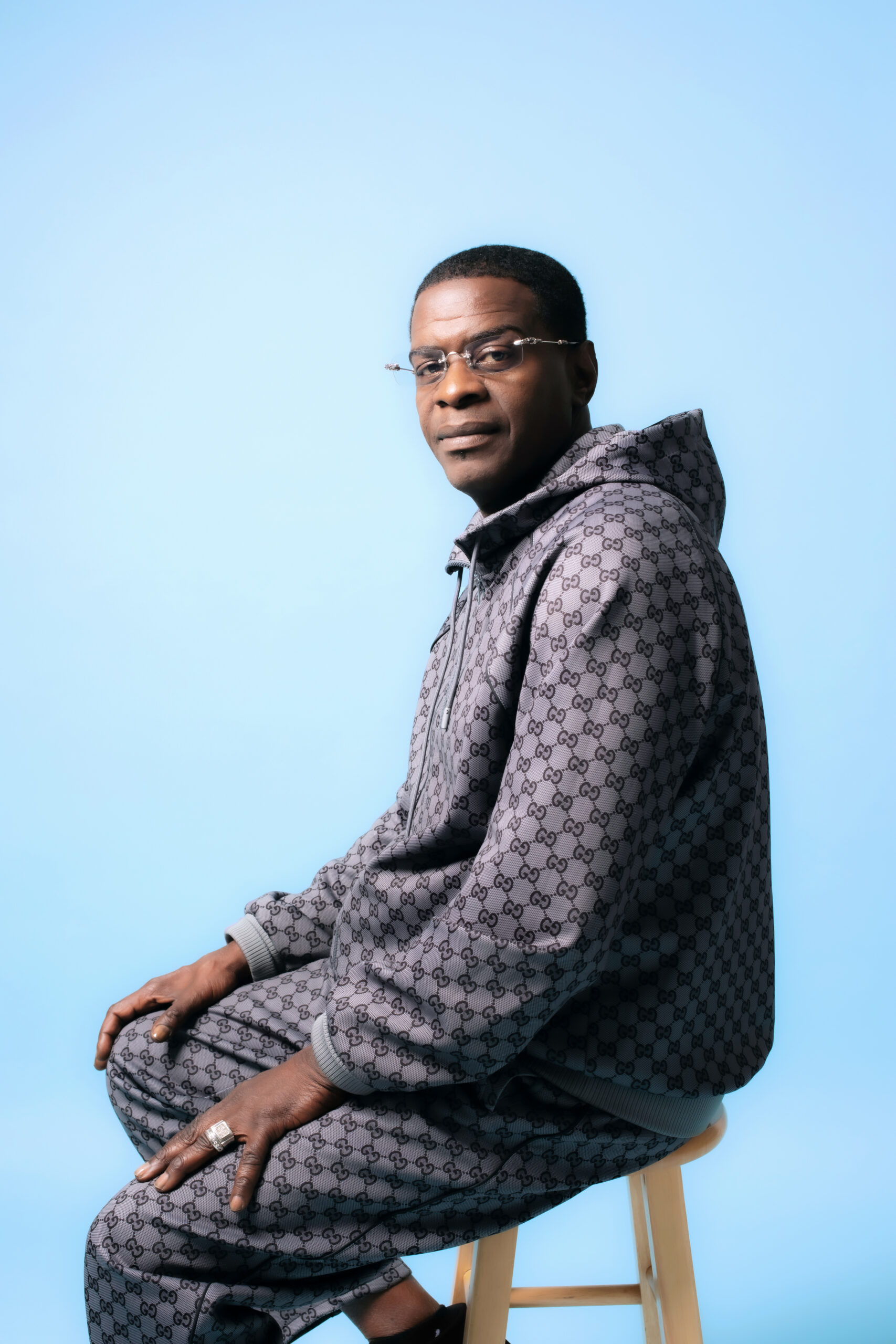
Gerard Richardson
13 YEARS OF FREEDOM
I came home to like 13 grandkids and now I have like 25 grandkids and two great grandkids. I be with them as much as possible and they love Poppa. We went on a vacation with all the grandkids to Disney World and rented a whole house with a pool and everything.
I didn’t see none of my kids go to the prom, be in plays, or graduate because they took my freedom from me. So I try to go to things like that for my grandkids. My grandson just graduated from Pre-K to Kindergarten and I went to his graduation — he think he a big boy!
(Image: Mary Kang for the Innocence Project)
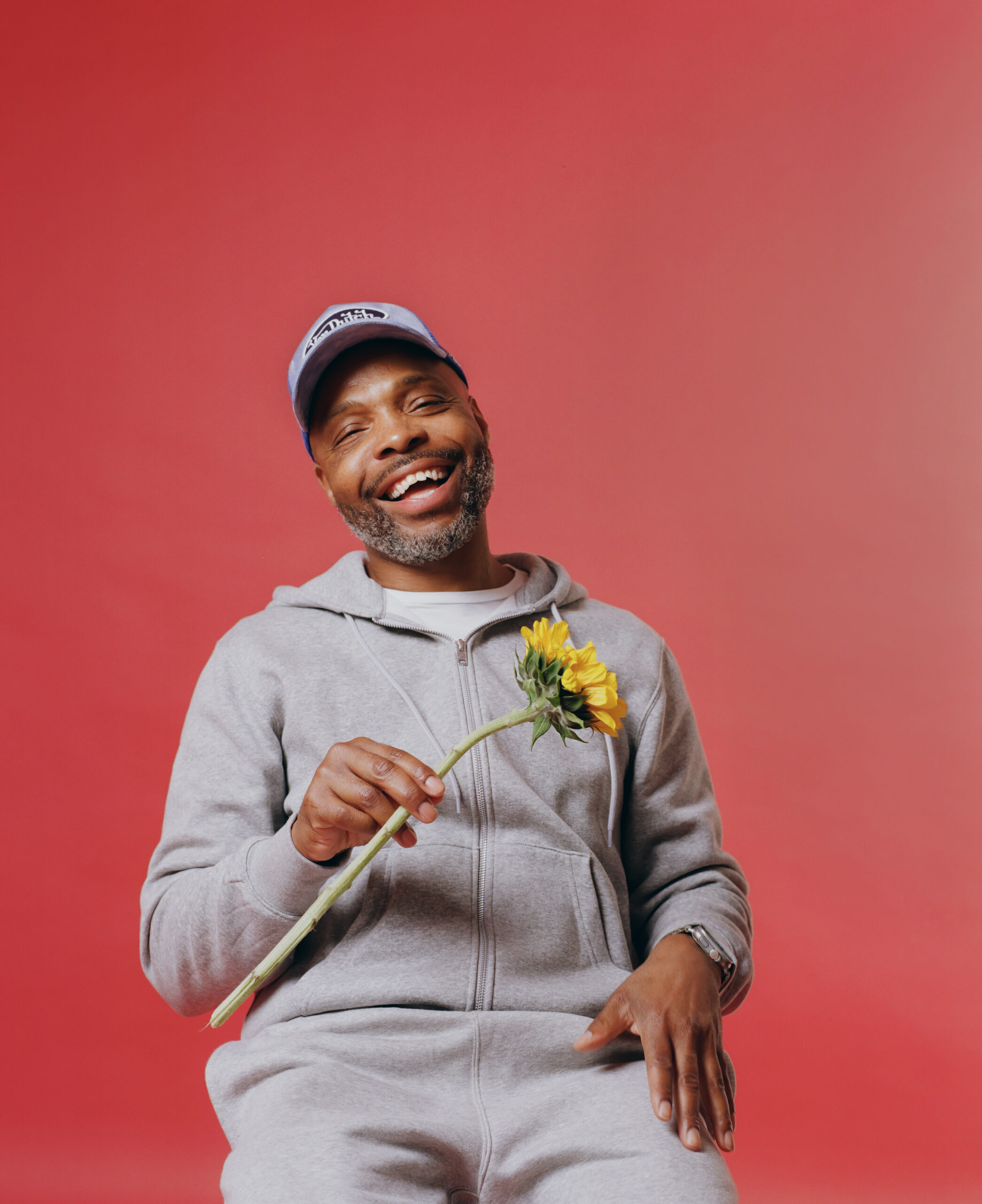
Mark Denny
9 YEARS OF FREEDOM
My first moment of freedom happened so fast. I mean, the whole fight took so long, but then when it happened, it happened so fast that I was kind of in shock. I was really blank. I didn’t know what to expect. I was just open to whatever was next — come what may. If it wasn’t for the Innocence Project I definitely would have been lost, but they kept me grounded and put me in a position where life wasn’t as hard for me coming out of prison.
And since then, I’ve moved a lot, traveled a lot. That’s one of the biggest things for me is being able to go where I want willingly or choose not to go. Being able to eat what I want to eat and spending time with my family and friends.
(Image: Mary Kang for the Innocence Project
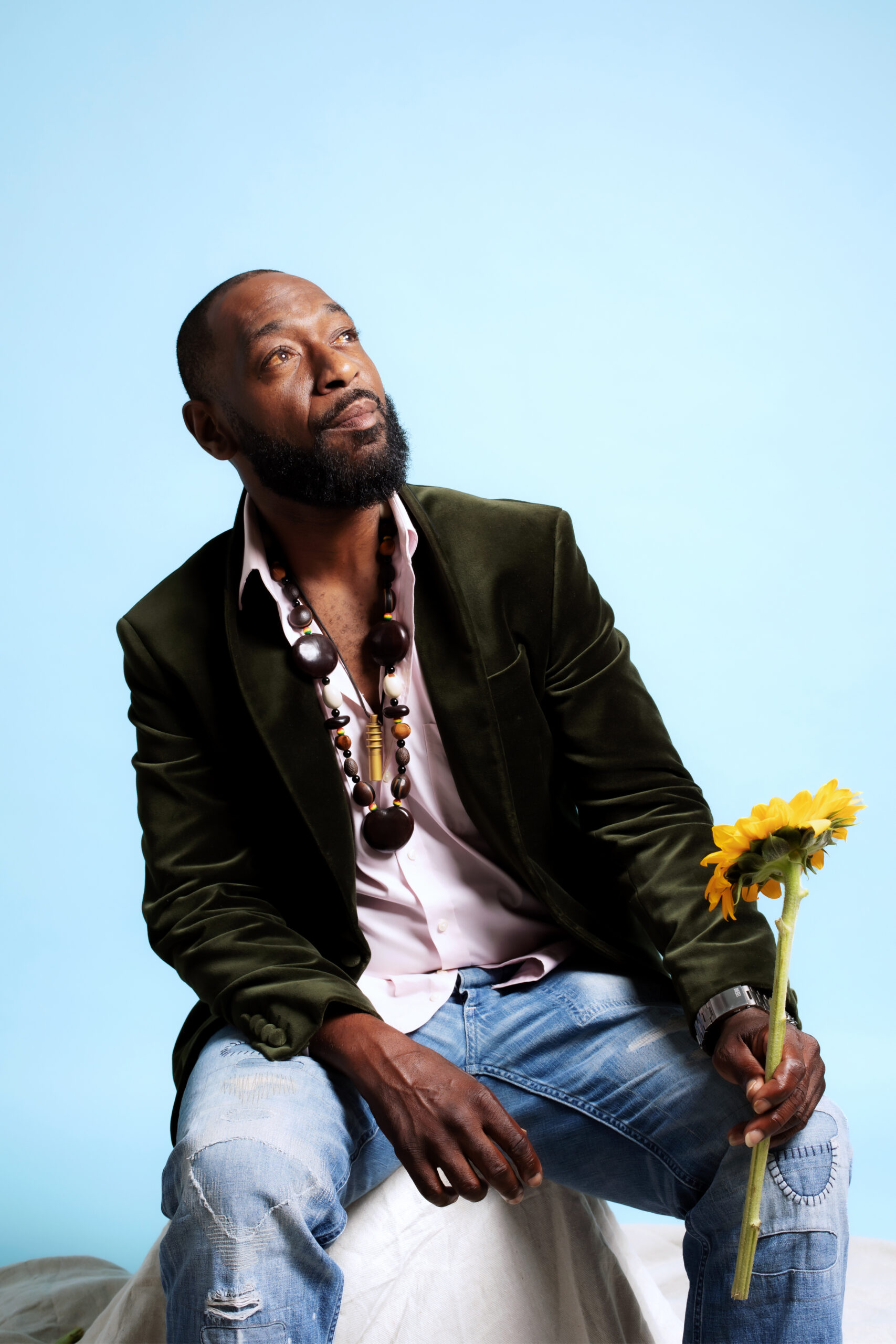
Termaine Hicks
6 YEARS OF FREEDOM
When I walked out of the penitentiary and my two brothers were standing there and it was snowing — it was right there, it was that moment that it hit me that I was free. It was surreal, intoxicating. I was dizzy, it was everything.
Spending time with loved ones, creating art, traveling, and just being … those are acts of freedom. Some days, it’s just doing nothing and sitting in the quiet. What makes me feel most free now is telling my story. When I tell my story publicly and advocate for justice, it’s me reclaiming who I am or finding who I am now.
(Image: Mary Kang for the Innocence Project)
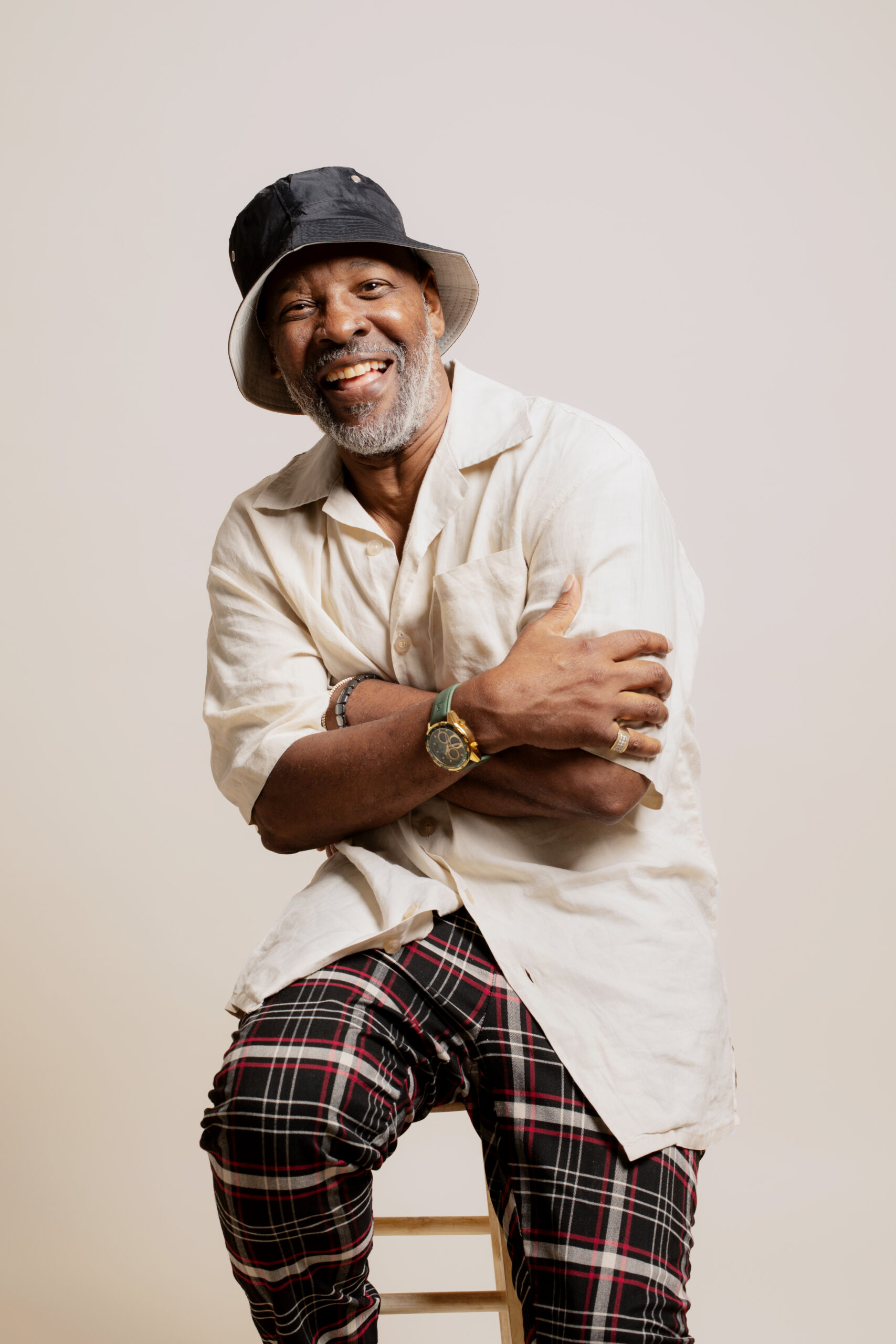
Huwe Burton
7 YEARS OF FREEDOM
My first taste of freedom was 10 years before I was exonerated. I came home on parole and it was great to be out after all those years. But for me, the job wasn’t done — I still had to prove my innocence. So I never rested well with that, until I was fully exonerated.
But one of the few things that has always made me feel free is the ability to create music. It’s something that served me while I was inside. It gave me peace of mind and made the time seem like it was moving a little bit faster. And it’s still what I love to do. That and talking to people and making people aware of what has happened to me, what is happening to others, and what we can do about it. Those are the things that give me a bit of pleasure in life.
(Image: Mary Kang for the Innocence Project)
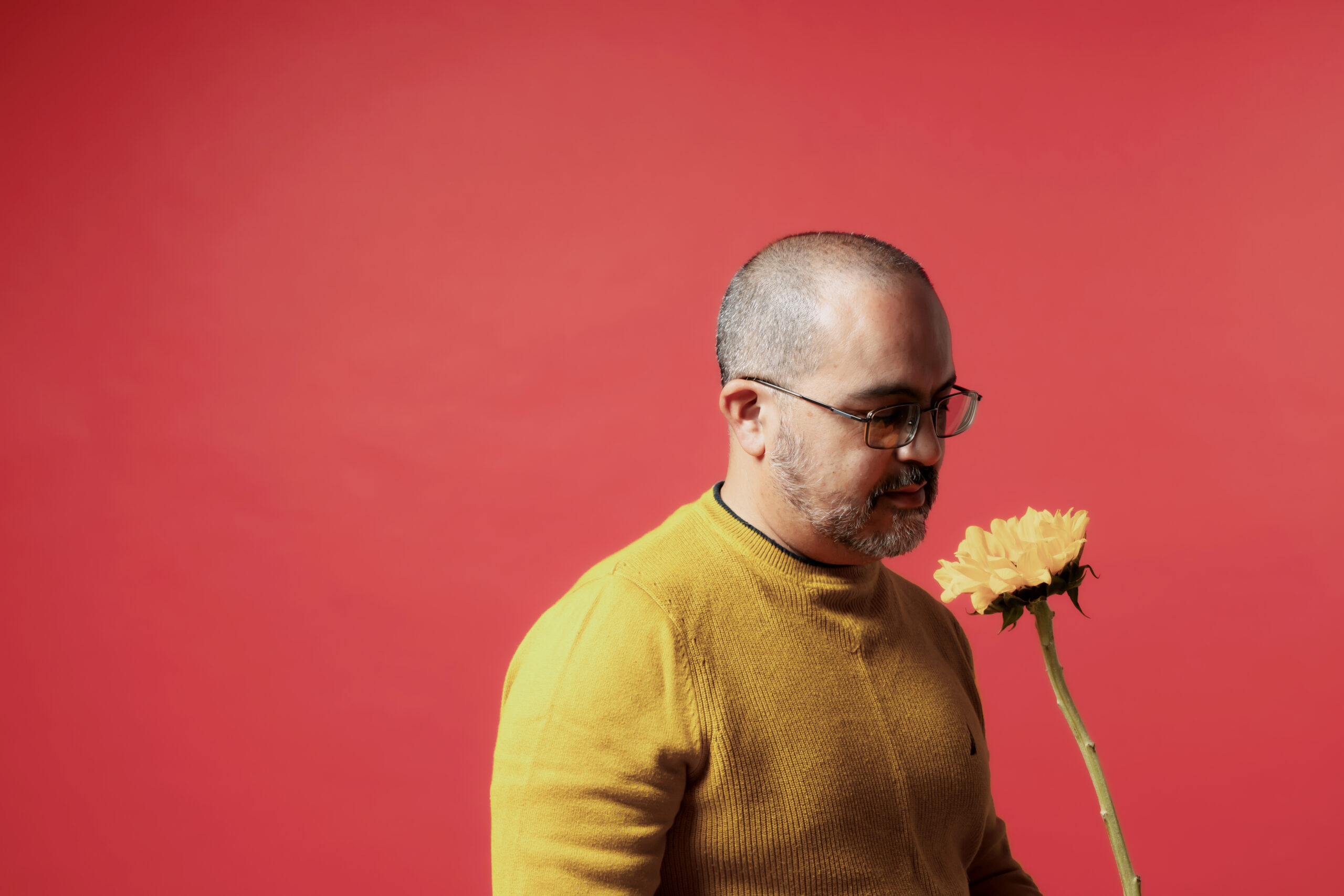
Eric Kelley
8 YEARS OF FREEDOM
When the whole thing was over I came home to a brave new world — that was a hell of a blow. I lost my father, lost my mom — these are people I expected to see when I got out. But I take things one day at a time, one thing at a time. There are some hardships sometimes. I get in my head about somethings, about the memories, people I met on the way — good or bad — but I didn’t let them break me.
I am here, 61 years old, and I beat this stuff and I beat prostate cancer. At first, the diagnosis had me a little scared, but I knew I had to do something about it because I need to live my life. I’ve been through a hell of a lot and I need to be around my seven grandkids, my three daughters, my brother.
And today, I’m a free Black man, in health, I’m home. I kiss the ground and I’m so thankful, I’m so grateful just for the small things in this life.
(Image: Mary Kang for the Innocence Project)
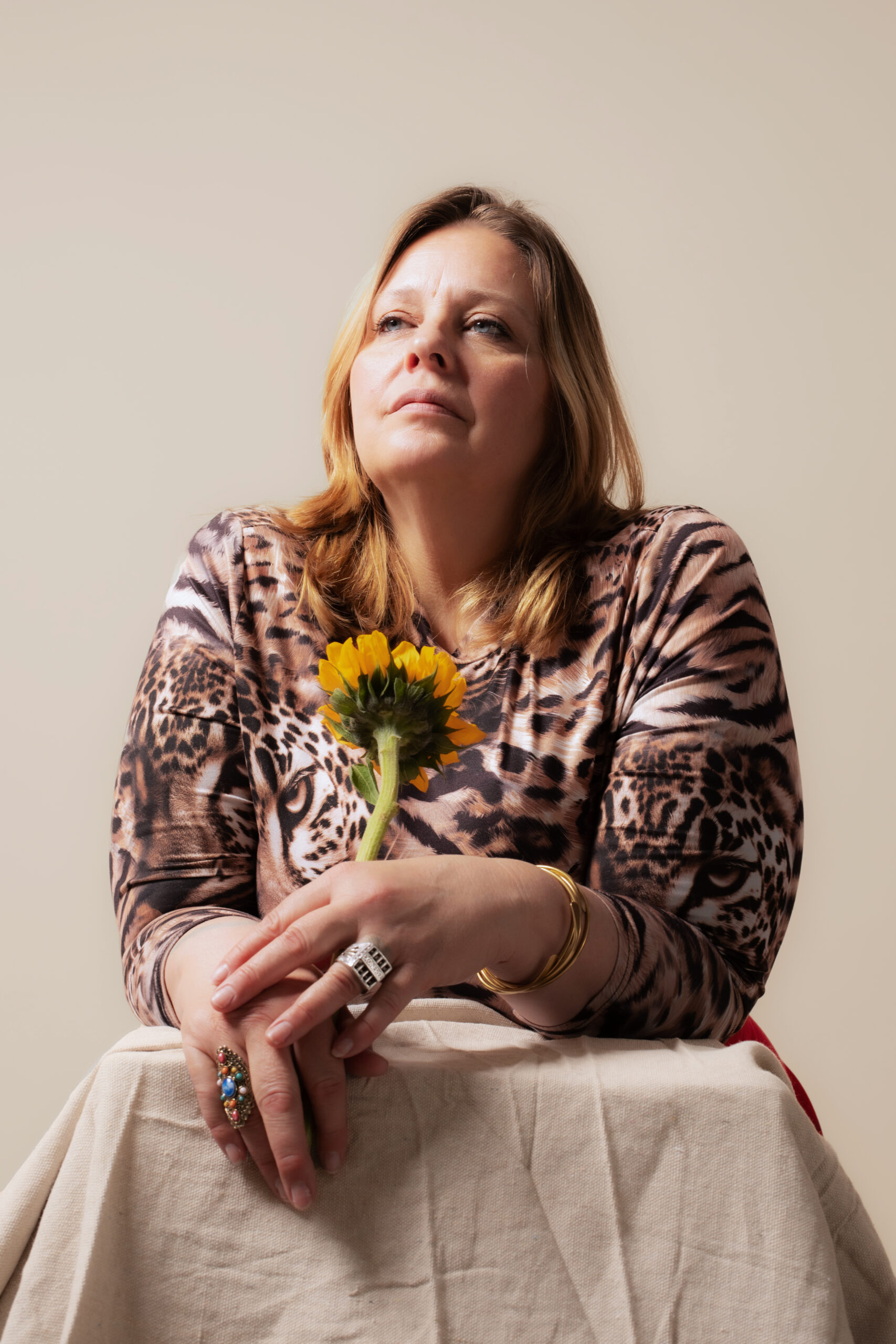
Carlos Sanchez
9 YEARS FIGHTING FOR FREEDOM ON THE OUTSIDE
I came home on parole for three years. And that first moment of “freedom” was frustrating, the correctional officers were going to take me to the bus station. I told them my family and Innocence Project lawyers were waiting for me, but it became a whole big thing.
But the minute that I walked out the door, my family and the Innocence Project rushed to me and got me out of there. It was only when we got to the parking lot of a McDonald’s that it all hit me that I was free and this was a new beginning — but it was difficult.
Because I was on parole, I couldn’t move the way that I wanted to move, I had curfew, I had to find a job. Even now that I’m off parole, there’s a lot of ground to catch up on that I missed out on while I was wrongfully incarcerated. Like I don’t have a retirement or any kind of social security for all that time. But as soon as I have the security, I would love to go travel the country and see the world.
Right now, I’m most at peace when I’m with my dog, Max, walking him, kicking a ball for him, just spending time with him. He’s so attuned to how I feel, and sometimes when he realizes that I feel anxious, he’ll come up and lay on my lap, give me comfort, with no judgement, without needing something from you. We’re almost inseparable.
(Image: Mary Kang for the Innocence Project)
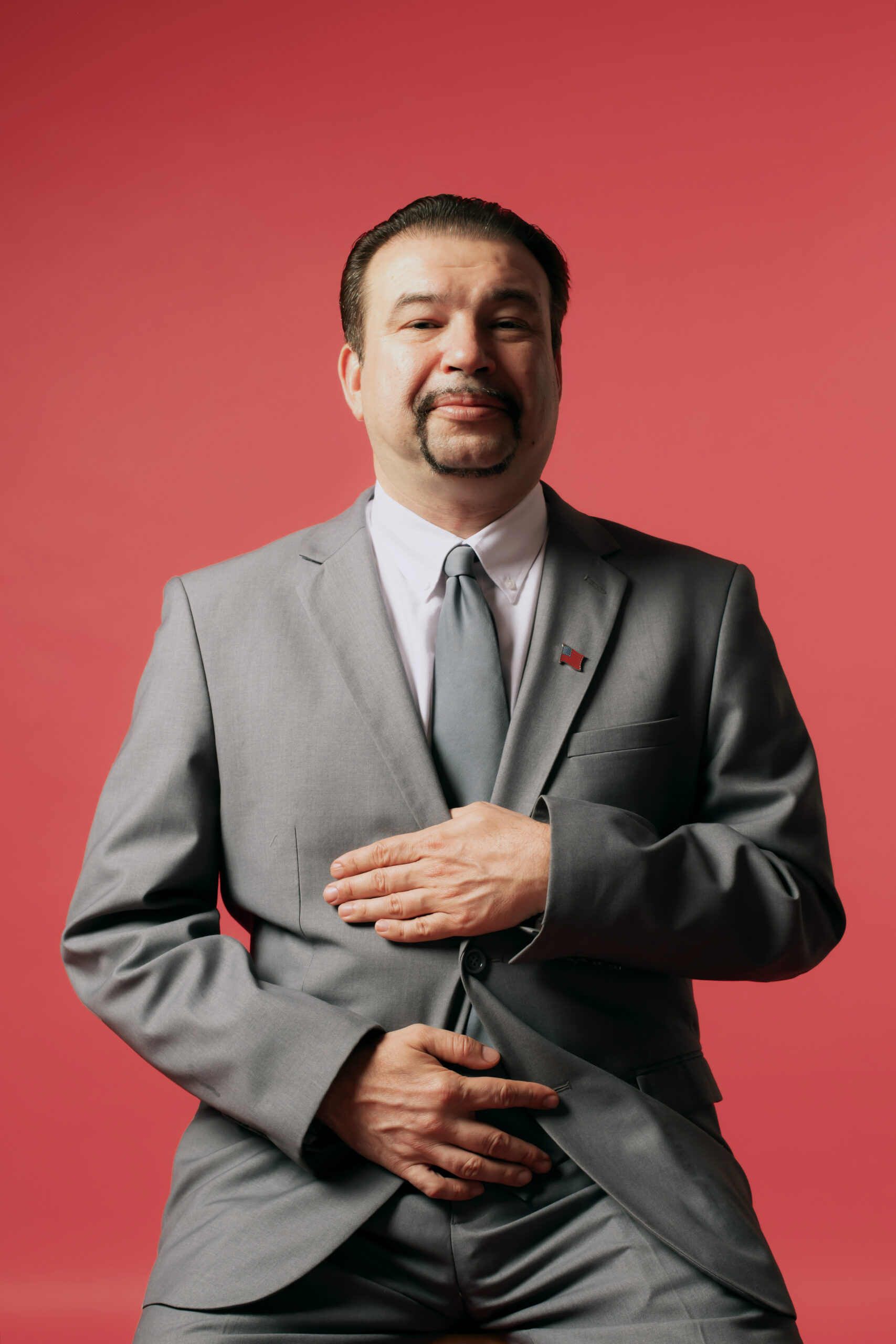
Michelle Murphy
12 YEARS OF FREEDOM
I was released on bond first and on house arrest with an ankle monitor. And it was a whirlwind because so much had changed in the world. There was so much I didn’t know, didn’t understand. But it was more freedom than I had had in so many years, so I was grateful for that.
Four months later, exactly 20 years to the date of my son’s murder and my incarceration starting, I was exonerated. And I still have moments where it just hits me — I’m so grateful I’m free. Sometimes it’s just walking out my door in the middle of the night, breathing the night air and looking up at the moon and it’s not through a barred window. It could be when I’m driving, walking in the grocery store, eating with real silverware and real plates, drinking out of real glasses.
But I kind of straddle a fence because I think about all my girls that are still in prison fighting and I want to bring more of them home. I still have moments where I feel like I’m in prison and I can’t believe I’m free. It’s a feeling that’s hard to explain to somebody that hasn’t been through that experience. After you’ve been held hostage for so many years, that moment of stepping out and breathing free air — something you fought for for so long, and it just washes over you, like a weight lifting from you.
It’s like your wings can finally spread out and shake it off.
(Image: Mary Kang for the Innocence Project)
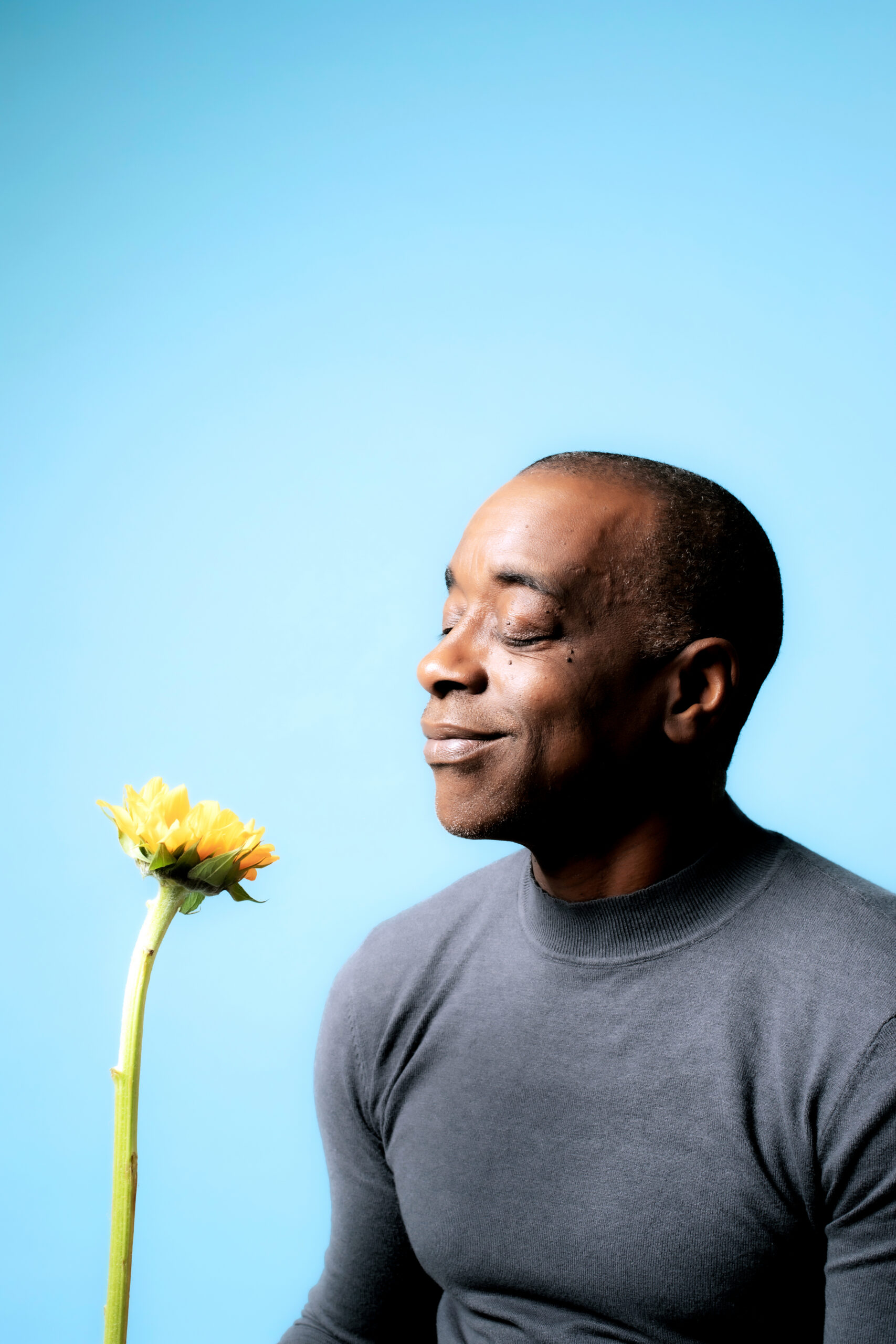
Jeff Deskovic
20 YEARS OF FREEDOM
My first words at the press conference that was held outside when I was released were: Is this really happening? It was surreal.
The biggest thing has been being able to come and go as I wish — freedom of movement. I have a driver’s license now and a car. I enjoy the small things, just going outside, the sun on my face, fresh air. Being in nature and seeing the sun go down — certainly that’s not something you can do while you’re in prison. And I like to try new food and go to new places and make memories. All those things remind me that I’m free.
I was someone who received help to regain my freedom, and now with my nonprofit I am able to help others regain their freedom. It is definitely a full circle moment.A big way I celebrate my freedom is by fighting for the freedom of other people who are still wrongfully imprisoned as an attorney. I consider myself to be a freedom fighter — whether it’s voting, serving on a jury — I think that those things are also really, really important and are very much part of how I enjoy my freedom.
(Image: Mary Kang for the Innocence Project)
Alan Newton
20 YEARS OF FREEDOM
That first moment of freedom when I got to see my family and we weren’t separated by glass or bars — that was everything. Hugging them without somebody looking over you and making sure you’re not passing contraband.
What makes me feel free now is being able to make decisions that control my life.I no longer have lights out at 9 p.m. or wake-up time at 7 a.m. And I appreciate the little things. Even being in a crowd because being in the crowd in the penitentiary wasn’t always safe. I appreciate being able to go to the store at 1 o’clock in the morning, to spend money outside of commissary and buy more than just junk food, to get on a plane. To just scream sometimes.
Wrongful conviction is just part of my life now. I dream about it. I think about it. It’s always with me. So I put it in a place where it’s easier to deal with, instead of being something that gets you depressed when you talk about it, I think about it like giving a speech to inform people about the inner workings of the criminal justice system and the great work of the Innocence Project.
Leave a Reply
Thank you for visiting us. You can learn more about how we consider cases here. Please avoid sharing any personal information in the comments below and join us in making this a hate-speech free and safe space for everyone.