Christopher Ochoa
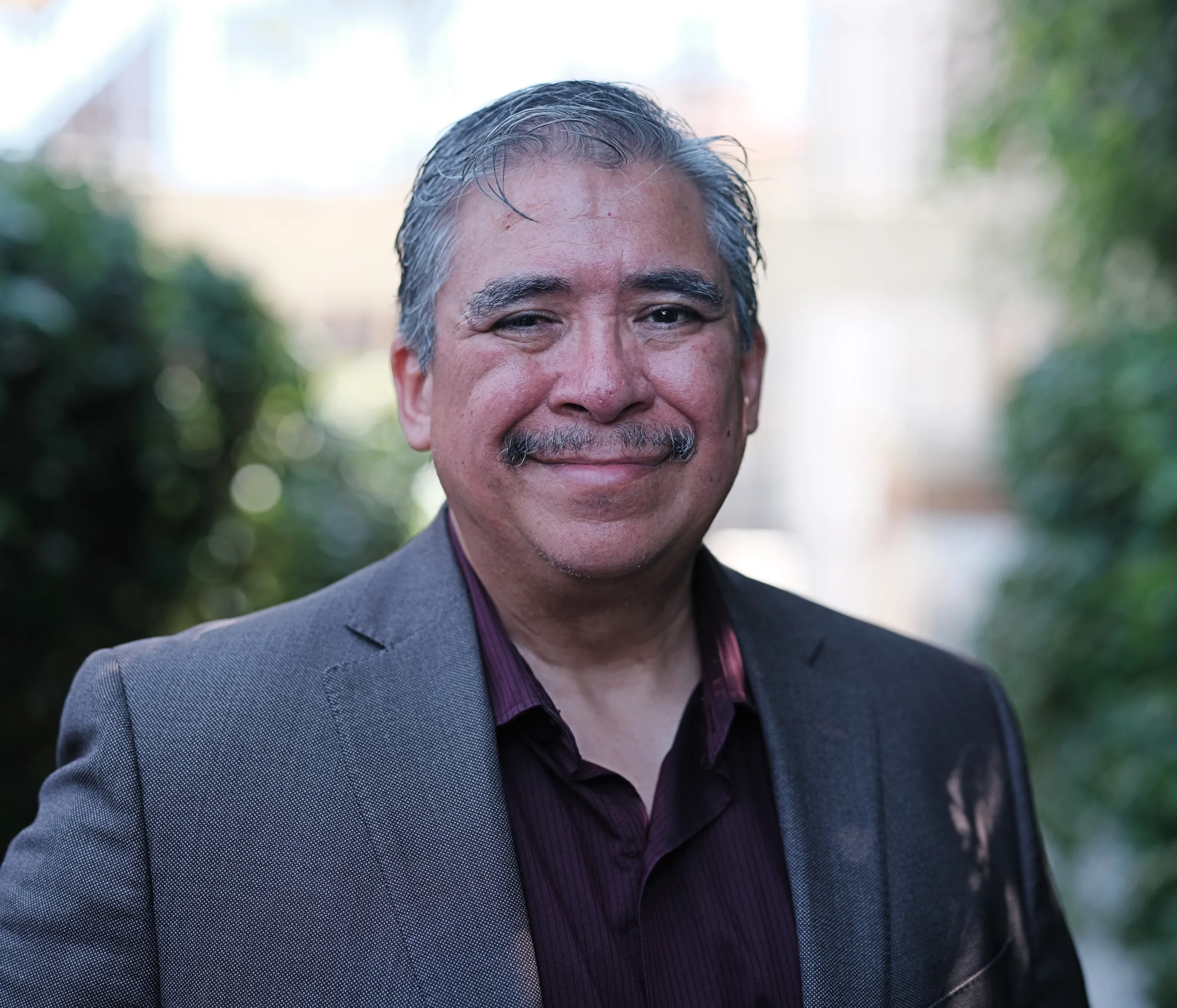
In February 2002, Christopher Ochoa and his co-defendant, Richard Danziger, were exonerated of a 1988 rape and murder in Austin, Texas. Mr. Ochoa and Mr. Danziger were exonerated by DNA testing which excluded them from biological evidence in the case. The person who actually committed the crime was identified and confessed.
The Crime
On Oct. 24, 1988, at about 7:40 a.m., 20-year-old Nancy DePriest went to work at a Pizza Hut restaurant in Austin, Texas, where she was the assistant manager. At 9:30 a.m., she was found lying in a hallway of the restaurant. She had been sexually assaulted and shot in the back of the head. An undetermined amount of money was taken. Ms. DePriest died later that day.
The Investigation
Days later, a restaurant employee saw two men — 22-year-old Christopher Ochoa and 18-year-old Richard Danziger — eating pizza, drinking beer, and seemingly raising toasts in Ms. DePriest’s honor.
Believing that a master key had been used to enter the restaurant and finding the men’s behavior suspicious, police focused on Mr. Danziger and Mr. Ochoa, roommates who worked at another Austin-area Pizza Hut, as the lead suspects.
In November 1988, police questioned both men. Mr. Danziger denied involvement in the crime, although, according to police, he seemed to know details that had not been made public.
Mr. Ochoa was interrogated at length. After two 12-hour sessions with Austin Police Senior Sergeant Hector Polanco and detectives Bruce Boardman and Ed Balagia, Mr. Ochoa signed a confession that included key details of the murder. In it, he implicated Mr. Danziger, saying that his roommate had shot Ms. DePriest and that both men had raped her.
That same month, the Texas Department of Public Safety analyzed blood, hair, semen, and saliva samples from the two men. Serologist Sarah Becker reported that Mr. Ochoa was not eliminated as the source of a semen sample. However, this claim was misleading. Because the tests did not reveal a blood type outside of the victim’s, her blood group markers could have “masked” the perpetrator’s — meaning that no suspect could be excluded as the source of the semen.
The biological samples were then sent to Forensic Science Associates (FSA), an independent laboratory in California. Based on a DNA test called “DQ Alpha,” DNA analyst Edward Blake reported that Mr. Ochoa was among 16% of the Mexican American population who could not be eliminated as a potential source of the semen sample from the rape kit. Mr. Danziger and Ms. DePriest’s husband were eliminated as potential sources.
On Nov. 15, 1988, both men were arrested. Mr. Danziger was charged with one count of aggravated sexual assault. Mr. Ochoa was charged with one count of capital murder and one count of aggravated sexual assault.
The Trial
Mr. Ochoa, who was facing the death penalty, accepted an offer from the prosecution and pleaded guilty to murder on May 5, 1989. He agreed to testify against Mr. Danziger.
In January 1990, Mr. Danziger went to trial in Travis County Criminal District Court. Mr. Ochoa testified and contradicted his confession, saying that he, not Mr. Danziger, had shot Ms. DePriest.
Mr. Ochoa indicated that the two had planned to rob the Pizza Hut. He stated that they had tied up and raped Ms. DePriest, and that he shot her because she had recognized him.
The only forensic evidence that linked Mr. Danziger to the crime was a pubic hair found near the blood in the restaurant. Juan Rojas, a forensic analyst for the Texas Department of Public Safety, asserted that the hair was microscopically consistent with Mr. Danziger’s. When asked whether he was “confident about each characteristic” that he observed, Mr. Rojas replied, “Yes, I’m absolutely correct.”
A lab analyst from the Texas Department of Public Safety testified that the blood type of the semen from the rape kit was consistent with that of Mr. Danziger and Ms. DePriest. In response, the defense argued that, because testing did not reveal a blood type outside of the victim’s, her blood group markers could have masked the perpetrator’s. Therefore, no potential source of the semen could be excluded.
Mr. Danziger presented an alibi defense, claiming to have been with his girlfriend that night.
On Feb. 1, 1990, Mr. Danziger was convicted on one count of aggravated sexual assault. The following day, the jury voted to impose a sentence of life in prison.
On Feb. 7, 1990, Mr. Ochoa was sentenced to life in prison.
In September 1991, the Third Court of Appeals of Texas upheld Mr. Danziger’s conviction and sentence.
In February 1997, while incarcerated at a prison near Amarillo, Texas, Mr. Danziger was attacked by a fellow inmate, Armando Gutierrez, who repeatedly kicked him in the head. Mr. Danziger required emergency surgery and had part of his brain removed. Mr. Gutierrez, who was serving an 18-year term for assaulting a police officer, had another 25 years tacked on for the assault, which turned out to be a case of mistaken identity. Following the assault, Mr. Danziger was transferred to a special institution for incarcerated individuals with mental disabilities.
The Exoneration
In February 1998, Achim Josef Marino, a newly born-again Christian serving three life sentences in a Texas prison for aggravated robbery, wrote a letter to Texas Governor George W. Bush. It began: “Re: Murder Confession.”
In the letter, Mr. Marino said that his conscience “sickens” him because he alone had raped and murdered Ms. DePriest, and that Mr. Danziger and Mr. Ochoa were not involved. “I tell you this, sir,” wrote Mr. Marino. “I did this awful crime and I was alone.”
Mr. Marino revealed that evidence tying him to the crime, including Ms. DePriest’s keys, could be found at his parents’ home. He had first sent a letter of confession to the police in 1996, but after receiving no response, he wrote to the governor to prompt action. When police received another letter from Mr. Marino with a detailed description of the crime scene, they began reinvestigating. At Mr. Marino’s parents house, they found the keys and other evidence, including bank pouches and a pistol.
Investigators approached both Mr. Danziger and Mr. Ochoa again. Because of his brain injury, Mr. Danziger was unable to be interviewed. Mr. Ochoa, who had continued to feel intimidated by the police since his initial interrogation, repeated the story he had told at trial.
In June 1999, Mr. Ochoa reached out to the Wisconsin Innocence Project, headed by attorneys Keith Findley and John Pray, and recanted his confession. He said that during his initial investigation, the officers — including Sergeant Polanco — had threatened him with the death penalty if he did not confess, even pointing out the vein in his arm where the lethal injection would be administered. At one point, he said, a chair had been thrown against the wall over his head. The police had fed him the details that appeared in his confession.
Meanwhile, as the prosecution reinvestigated the case, it sought DNA testing on the evidence. In September 2000, after conducting more discriminating DNA tests, FSA’s Dr. Blake reported results that eliminated Mr. Ochoa as the source of the semen sample for which he had not been eliminated back in 1989.
In November 2000, Dr. Blake reported that further DNA tests on the semen recovered from the victim excluded Mr. Ochoa and Mr. Danziger. Dr. Blake said Mr. Marino could not be eliminated as the source of the semen. Mr. Ochoa was released on Jan. 16, 2001, and Mr. Danziger was released shortly after on March 22, 2001. Their cases were dismissed on Feb. 6, 2002.
Both men later filed wrongful conviction lawsuits against Travis County and the city of Austin.
Mr. Danziger, who required lifelong care due to his brain damage, received $9 million from Austin, $1 million from Travis County, and $500,000 from Mr. Ochoa for wrongfully implicating him in the crime. Mr. Danziger also received $250,000 in state compensation. Mr. Ochoa received $5.3 million from the city of Austin.
Time Served:
12 years
State: Texas
Charge: Murder, Aggravated Sexual Assault
Conviction: Murder
Sentence: Life
Incident Date: 10/24/1988
Conviction Date: 05/05/1989
Exoneration Date: 02/06/2002
Accused Pleaded Guilty: Yes
Contributing Causes of Conviction: False Confessions or Admissions, Unvalidated or Improper Forensic Science
Death Penalty Case: No
Race of Exoneree: Latinx
Race of Victim: Caucasian
Status: Exonerated by DNA
Alternative Perpetrator Identified: Yes
Type of Crime: Homicide-related, Sex Crimes
Forensic Science at Issue: Flawed Serology
Year of Exoneration: 2002