New Hampshire Law Gives Wrongfully Convicted People a Second Chance at Justice
Lawmakers voted to revise the state’s strict three-year filing deadline, which blocked innocent people from seeking new trials even with new evidence.
News 08.20.26 By Innocence Staff
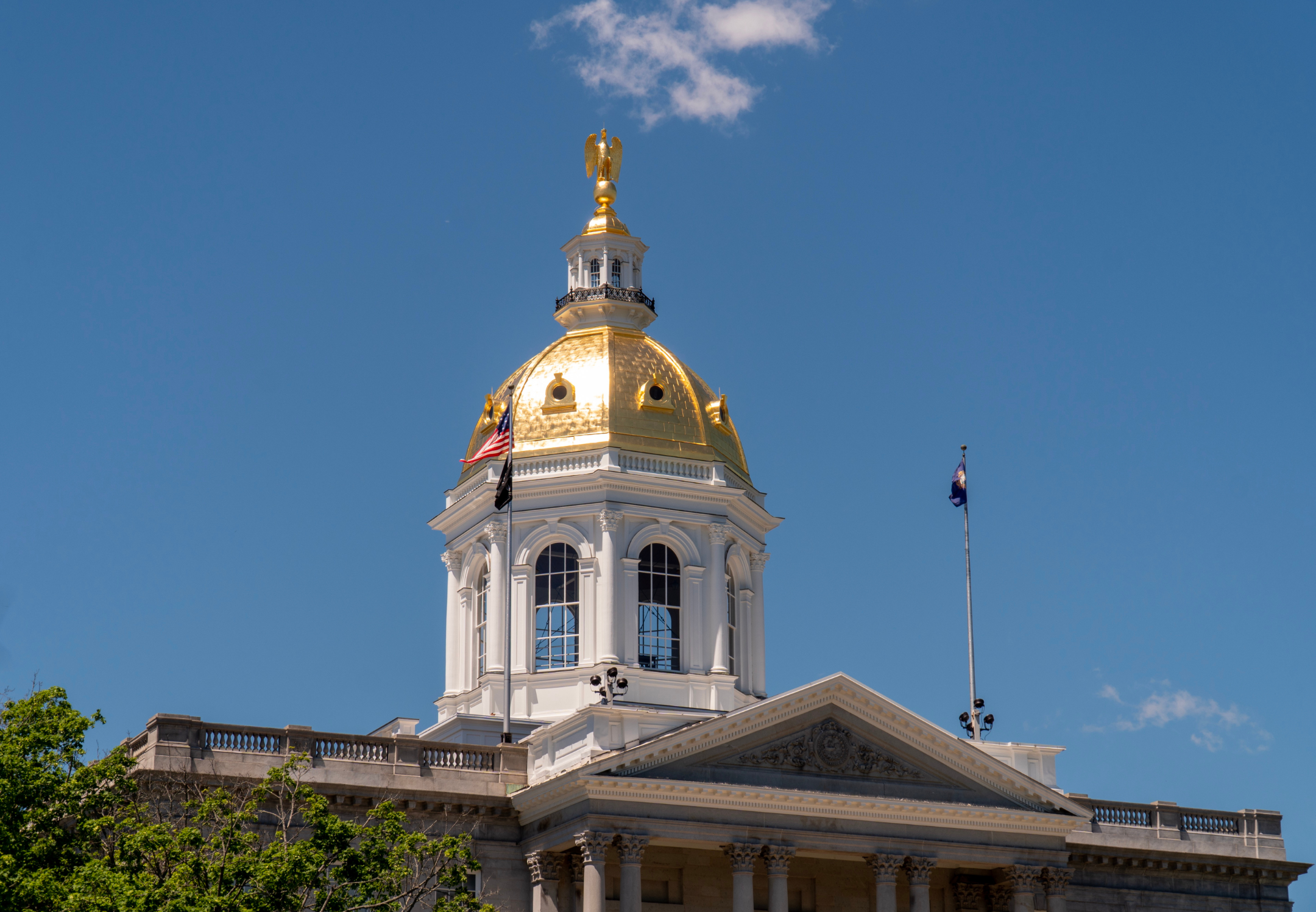
Wrongly convicted people in New Hampshire will soon have a fairer shot at justice. On Wednesday, lawmakers overwhelmingly voted once again to enact a law revising the state’s strict three-year filing deadline on new trial motions, overriding Gov. Kelly Ayotte’s veto.
The state legislature unanimously passed House Bill 1422 earlier this year, but the governor, a former attorney general, vetoed the legislation based on faulty reasoning. In the weeks that followed, over 100 Granite Staters took action, contacting their local lawmakers and urging them to override the veto. Several lawmakers also spoke up in support of the bill, which received broad bipartisan support.
Ahead of Wednesday’s vote, Rep. Bob Lynn — chair of the House Judiciary Committee and former New Hampshire Supreme Court chief justice — said, “Obviously here we’re not in the business here of letting innocent people stay in jail … But the way the law stands right now, if the newly discovered evidence occurred beyond three years, you have that potential.”
In a statement on Aug. 19, Innocence Project State Policy Advocate Winnie Ye commended the move to override the governor’s veto.
We applaud the legislature for standing with wrongfully convicted Granite Staters and giving them a fair chance to bring new evidence into court to prove their innocence.
Today, the legislature made the right choice and overrode Gov. Ayotte’s veto of HB 1422, clearing the way for wrongfully convicted individuals to file new trial motions if they have new evidence of innocence. New Hampshire’s strict three-year limit on filing new trial motions meant that innocent people were procedurally barred and had no legal recourse — even when new evidence arose — outside of that window.
The new law provides a narrow exception to the time limit allowing wrongfully convicted individuals to petition for a new trial based on newly discovered evidence, new forensic testing, or new scientific understanding of the evidence in their cases.
Up until today, New Hampshire had been one of a few outliers; only three states had this type of absolute deadline with no exceptions. Across the country, more than 3,800 innocent men and women have been able to return to court and fight for their exonerations — only three of them are from New Hampshire due to its restrictive laws.
Sometimes, the criminal legal system gets it wrong. And in those instances, wrongfully convicted people should be able to return to court and present evidence that could prove their innocence and restore their liberty. Thanks to the work of a cadre of legislators, including Rep. Tom Mannion, the prime sponsor, and Rep. Lynn, Rep. Rombeau, Sen. Birdsell, and Sen. Reardon, who spoke in support today — a ticking clock will no longer be a hurdle to justice for the wrongfully convicted.
New Hampshire was one of just three states — the remaining two states are Arkansas and Idaho — with an absolute deadline on filing for a new trial. The strict deadline blocked wrongfully convicted people from getting back into court if three years had passed since their conviction — even if they had new evidence proving their innocence or there were substantial changes in science undermining their conviction.
This campaign is in partnership with the New England Innocence Project.
Leave a Reply
Thank you for visiting us. You can learn more about how we consider cases here. Please avoid sharing any personal information in the comments below and join us in making this a hate-speech free and safe space for everyone.